
SHARE
The rush of modern life makes the need for calm, intentional spaces more urgent than ever. Asian zen interior design offers a time-tested approach to creating environments that restore rather than deplete, ground rather than overwhelm. Rooted in centuries of Buddhist philosophy and Japanese aesthetic principles, this design style brings together minimalism, natural materials, and a profound respect for empty space to shape interiors that feel both peaceful and purposeful. For homeowners in Austin and beyond who seek refuge from overstimulation, asian zen interior design provides a framework for building sanctuaries that support mental clarity, emotional balance, and genuine well-being.
The Philosophy Behind Asian Zen Interior Design
Asian zen interior design draws directly from Zen Buddhist teachings that emphasize mindfulness, simplicity, and living in harmony with nature. This isn't merely a visual style. It's a design philosophy that asks us to consider how our surroundings affect our state of mind.
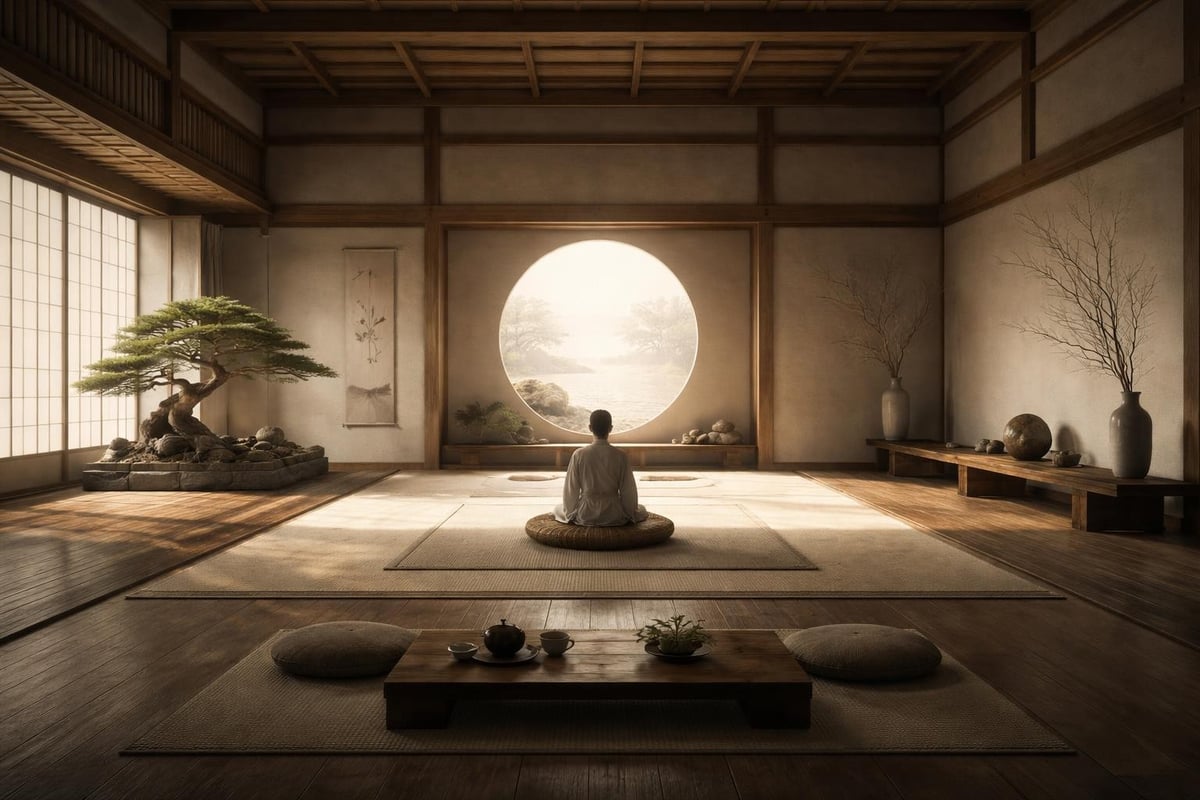
The concept of ma, or negative space, stands at the heart of this approach. Rather than filling every corner, asian zen interior design celebrates emptiness as an essential design element. Space itself becomes functional, allowing the eye to rest and the mind to settle.
Core principles include:
- Wabi-sabi: Finding beauty in imperfection and impermanence
- Kanso: Eliminating clutter to reveal essential elements
- Shizen: Embracing naturalness and avoiding artificiality
- Seijaku: Creating tranquility through thoughtful design
The historic Ryōan-ji temple in Kyoto demonstrates these principles through its famous rock garden, where fifteen stones rest on carefully raked gravel. The design achieves profound impact through radical simplicity, a lesson that translates powerfully to residential and commercial interiors.
The Connection Between Space and Mindfulness
When we talk about asian zen interior design, we're really discussing environments that support contemplation. Every element serves a purpose, either functional or spiritual. This intentionality extends beyond what we place in a room to encompass what we deliberately leave out.
In 2026, as our homes increasingly function as workspaces, gathering areas, and personal retreats simultaneously, the Zen emphasis on clarity becomes even more relevant. Etch Design Group, the top interior design group in Austin, TX, regularly guides clients through the process of identifying which elements truly serve their daily lives and which simply create visual noise.
Essential Elements of Asian Zen Interior Design
Natural Materials and Textures
Asian zen interior design relies heavily on materials that connect us to the natural world. Wood, stone, bamboo, rice paper, and natural fibers form the foundation of authentic Zen spaces.
Primary materials and their applications:
| Material | Application | Design Impact |
|---|---|---|
| Wood (teak, maple, oak) | Flooring, furniture, wall treatments | Warmth, organic texture, grounding |
| Stone (slate, river rock, granite) | Feature walls, flooring, accessories | Permanence, natural variation, tactile interest |
| Bamboo | Screens, furniture, window treatments | Sustainability, lightness, cultural authenticity |
| Paper (shoji screens) | Room dividers, light diffusion | Softness, privacy without isolation |
| Natural textiles (linen, cotton, wool) | Upholstery, bedding, window treatments | Comfort, breathability, understated elegance |
The goal isn't to showcase expensive materials but to honor their inherent qualities. A simple wooden beam reveals its grain. River stones display their natural color variation. This honest presentation of materials aligns with the shizen principle of celebrating what's natural and unforced.
When selecting finishes for projects, we consider how materials will age. Asian zen interior design embraces the patina that develops over time, viewing it as a visual record of a space's history rather than deterioration requiring replacement.
Color Palettes That Promote Calm
The color story in asian zen interior design tends toward neutrals, earth tones, and muted shades that recede rather than demand attention.
- Warm whites and creams
- Soft grays ranging from dove to charcoal
- Natural wood tones from honey to espresso
- Muted greens echoing moss and bamboo
- Subtle browns reflecting earth and stone
Accent colors appear sparingly, often through natural elements like plants or a single piece of carefully chosen art. This restraint prevents visual overstimulation and allows the eye to move through space without constant interruption.
The Katsura Imperial Villa demonstrates masterful use of subtle color variation within a neutral palette, creating visual interest through texture and light rather than bold chromatic contrast.
Furniture Selection and Spatial Arrangement
Low-Profile, Functional Pieces
Furniture in asian zen interior design typically sits lower to the ground, a tradition with both cultural and practical roots. Low seating changes our perspective, encouraging a more grounded, contemplative posture.
Key furniture characteristics:
- Clean, simple lines without ornate details
- Visible wood grain and construction
- Multi-functional pieces that serve several purposes
- Minimal hardware and embellishment
- Proportions that feel human-scaled
Platform beds, low dining tables, floor cushions, and streamlined storage units define the Zen aesthetic. Each piece should justify its presence through regular use or significant aesthetic contribution.
At Etch Design Group, our furnishings process emphasizes selecting pieces that align with how clients actually live, not just how spaces photograph. This practical approach mirrors the Zen principle of purposeful living.
Creating Flow and Balance
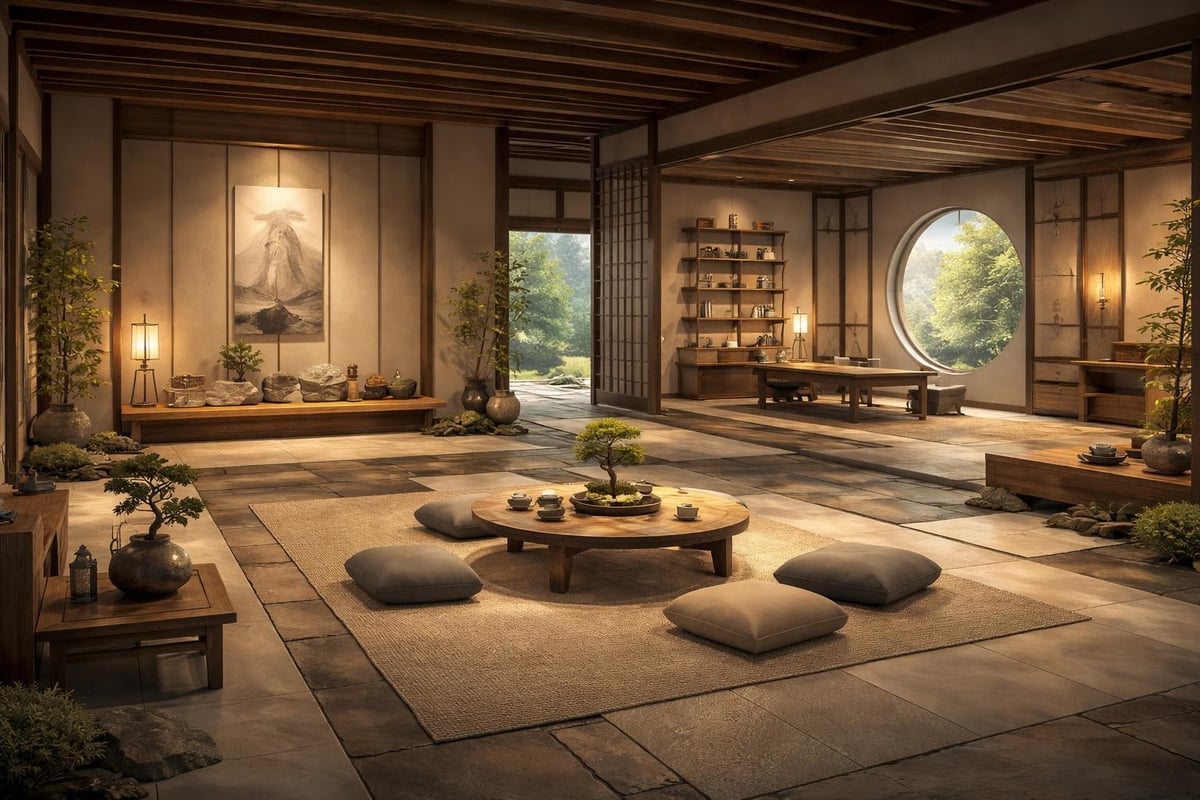
Spatial arrangement in asian zen interior design follows principles of balance and energy flow. Furniture placement should facilitate easy movement while defining distinct areas for specific activities.
Consider these arrangement strategies:
- Asymmetrical balance: Arrange furniture to create visual equilibrium without perfect symmetry
- Clear pathways: Maintain unobstructed routes through rooms
- Focal points: Establish one primary visual anchor per space
- Breathing room: Leave generous space between furniture pieces
- Connection to views: Orient seating toward windows, gardens, or meaningful views
The concept of engawa, a transitional space between interior and exterior in traditional Japanese architecture, can inspire how we define zones within open floor plans. Partial dividers, subtle material changes, or strategic furniture placement create distinction without walls.
Lighting Design for Tranquility
Natural light takes priority in asian zen interior design, with artificial lighting serving as a gentle supplement rather than the primary source. The quality of light matters as much as quantity.
Maximizing Natural Light
Large windows, often featuring minimal treatments, invite daylight deep into interiors. When privacy requires coverage, shoji screens or simple linen panels filter light while maintaining connection to the outdoors.
Strategies for optimizing natural light:
- Position mirrors to reflect and amplify daylight
- Use light-colored surfaces to bounce illumination
- Remove unnecessary window treatments
- Consider skylights in interior rooms
- Strategically place reflective surfaces
Layered Artificial Lighting
When natural light fades, artificial sources should maintain the peaceful atmosphere. Asian zen interior design favors warm, diffused lighting over harsh overhead fixtures.
| Lighting Layer | Purpose | Fixture Examples |
|---|---|---|
| Ambient | General illumination | Recessed lights with dimmers, paper lanterns |
| Task | Functional lighting for specific activities | Reading lamps, under-cabinet strips |
| Accent | Highlighting art, plants, or architectural features | Directional spots, picture lights |
| Decorative | Creating atmosphere | Candles, stone lanterns, sculptural fixtures |
The contemporary Zen garden designer Shunmyō Masuno emphasizes how light reveals form and creates mood, principles that translate directly to interior lighting strategies.
Incorporating Nature and Biophilic Elements
Asian zen interior design doesn't simply reference nature. It actively brings the natural world inside, blurring boundaries between interior and exterior environments.
Strategic Plant Placement
Living plants serve both aesthetic and wellness functions, improving air quality while adding organic forms to architectural spaces.
Preferred plants for Zen interiors:
- Bamboo (lucky bamboo or timber bamboo)
- Bonsai trees
- Peace lily
- Snake plant
- Orchids
- Moss displays
- Japanese maple
Place plants where they receive appropriate light while contributing to spatial composition. A single statement plant often creates more impact than numerous small specimens scattered throughout a room.
Water Features and Natural Elements
The sound of moving water adds an auditory dimension to zen spaces, masking disruptive noise while providing a meditative focal point. Tabletop fountains, wall-mounted water features, or outdoor elements visible through windows all contribute to this sensory layer.
Other natural elements enhance the connection to the outdoor world:
- River rocks displayed in wooden bowls
- Driftwood as sculptural objects
- Sand gardens (miniature versions of traditional rock gardens)
- Natural fiber rugs mimicking grasses or reeds
- Stone accessories and bookends
Decluttering and Minimalism in Practice
Perhaps no aspect of asian zen interior design proves more challenging for modern homeowners than embracing true minimalism. We accumulate possessions constantly, yet Zen principles ask us to keep only what serves a clear purpose or brings genuine joy.
The Art of Selective Display
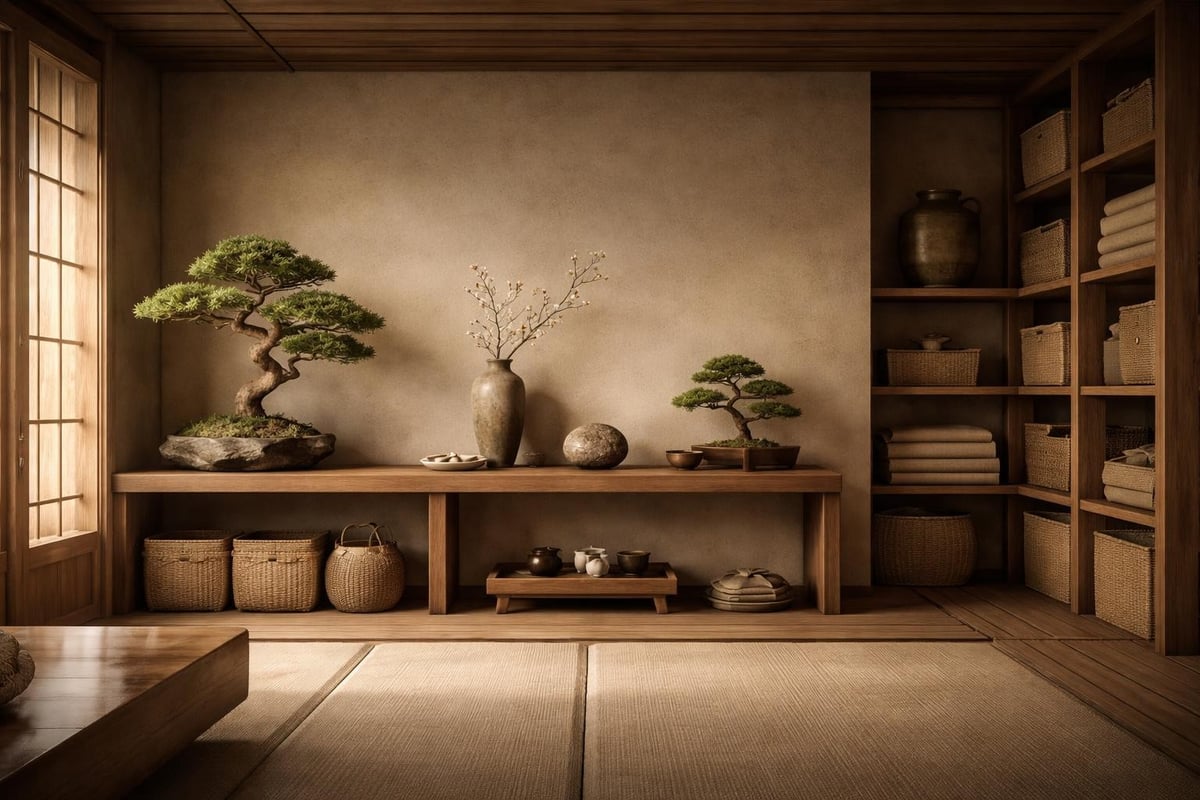
Rather than hiding all belongings behind closed doors, asian zen interior design curates what remains visible. A few meaningful objects, displayed with intention, create more impact than crowded shelves.
Guidelines for thoughtful display:
- Apply the one-in, one-out rule for new acquisitions
- Rotate seasonal objects rather than displaying everything simultaneously
- Group similar items to create visual coherence
- Use negative space as generously as displayed objects
- Choose quality over quantity in every category
Consider how leading designers approach minimalism not as deprivation but as careful curation that allows special pieces to shine.
Storage Solutions That Support Simplicity
Effective storage makes minimalism livable. Asian zen interior design incorporates built-in storage, platform beds with integrated drawers, and furniture pieces that conceal while maintaining clean exterior lines.
Open shelving can work within this aesthetic when contents are organized and visually calm. Baskets, boxes, and containers in natural materials provide concealment while adding texture.
Adapting Asian Zen Interior Design for Modern Homes
Blending Eastern Principles with Western Comfort
Full adoption of traditional Japanese design might feel too austere for Western lifestyles. The key lies in extracting core principles while accommodating modern needs and personal preferences.
You can honor asian zen interior design philosophy while including:
- Comfortable upholstered seating (in simple silhouettes)
- Contemporary technology (concealed when not in use)
- Personal collections (edited and thoughtfully displayed)
- Family heirlooms (if they align aesthetically)
- Regional materials (limestone, oak) alongside traditional Asian materials
This thoughtful blend of minimalism and nature creates spaces that feel both culturally inspired and personally authentic.
Room-by-Room Applications
Living Spaces:
Low seating arrangements, a single focal point (fireplace, view, or art piece), minimal decorative objects, natural fiber rugs, and abundant natural light define Zen living rooms. Built-in storage keeps surfaces clear.
Bedrooms:
Platform beds, simple bedding in natural fibers, blackout capability without heavy treatments, bedside lighting that dims, and zero visual clutter create restorative sleeping environments. The bedroom becomes a dedicated retreat.
Bathrooms:
Deep soaking tubs, stone or wood accents, minimal product display, concealed storage, soft lighting, and spa-like simplicity transform bathrooms into meditation spaces. Consider Japanese bathing principles that separate cleansing from soaking.
Home Offices:
Clean desks with cable management, ergonomic seating in simple forms, task lighting, plants for air quality, and storage that closes completely help maintain focus. When work ends, the space returns to visual calm.
Commercial Applications
Asian zen interior design translates powerfully to commercial environments where clients, customers, or employees benefit from reduced stress. Wellness centers, professional offices, hospitality spaces, and retail environments all gain from Zen principles.
The top interior design group in Austin, TX, Etch Design Group, has successfully applied these concepts to commercial projects where brand identity and user experience intersect. Creating spaces that feel both professional and restorative requires balancing corporate needs with human-centered design principles.
Material Sourcing and Sustainability
The Zen emphasis on natural materials aligns naturally with sustainable design practices. Asian zen interior design traditionally valued longevity, repairability, and natural decomposition over planned obsolescence.
Choosing Sustainable Materials
When sourcing materials for Zen-inspired projects, consider:
- Local sourcing to reduce transportation impact
- Reclaimed wood for flooring, beams, and furniture
- Low-VOC finishes that maintain indoor air quality
- Rapidly renewable materials like bamboo and cork
- Natural textiles produced without harmful chemicals
These choices honor both environmental responsibility and the Zen principle of living in harmony with nature. Quality materials that age gracefully also reduce the need for frequent replacement, another sustainability benefit.
Artisan Craftsmanship
Asian zen interior design values the human hand in creation. Handcrafted furniture, custom millwork, artisan textiles, and individually created accessories carry energy that mass-produced items lack.
Supporting local craftspeople and small-scale producers aligns with Zen values while creating unique, meaningful spaces. Our residential portfolio showcases how custom elements elevate projects beyond catalog-driven design.
Creating Dedicated Meditation Spaces
Many homeowners drawn to asian zen interior design desire dedicated areas for meditation, yoga, or contemplative practices. These spaces require particular attention to sensory experience and psychological support for mindfulness.
Essential Components
A meditation space should include:
- Comfortable floor seating (cushions, mats, or low benches)
- Controlled natural light or soft artificial lighting
- Minimal visual stimulation
- Good air quality and ventilation
- Acoustic privacy or pleasant ambient sound
- Temperature control for comfort
Optional enhancements:
| Element | Purpose | Considerations |
|---|---|---|
| Altar or focal point | Visual anchor for practice | Personal, meaningful objects only |
| Storage for props | Concealing blocks, straps, cushions | Built-in or furniture-integrated |
| Timer or bell | Marking practice periods | Traditional or minimal digital |
| Aromatic elements | Engaging the olfactory sense | Incense, essential oils, natural materials |
| Journal storage | Recording insights | Concealed when not in use |
Location and Accessibility
Meditation spaces work best when separated from high-traffic areas yet easily accessible. A converted closet, corner of a bedroom, or dedicated small room all function well. The space should feel removed from daily chaos without requiring a journey to reach.
Common Mistakes to Avoid
Even with good intentions, certain missteps can undermine asian zen interior design goals.
Avoid these pitfalls:
- Confusing minimalism with starkness: Zen spaces should feel warm and inviting, not cold and institutional
- Over-theming with Asian motifs: Authentic design respects principles rather than accumulating cultural symbols
- Neglecting comfort for aesthetics: Beautiful spaces that don't support daily life fail the functionality test
- Inconsistent material palettes: Mixing too many finishes creates visual noise that contradicts Zen calm
- Poor lighting planning: Adequate illumination for tasks prevents eye strain and frustration
- Forcing the style onto unwilling household members: Successful design requires buy-in from everyone using the space
Understanding what defines authentic Asian Zen interior design helps distinguish between thoughtful interpretation and superficial appropriation.
The Psychological Benefits of Zen-Inspired Spaces
Beyond aesthetics, asian zen interior design delivers measurable psychological benefits. Research consistently demonstrates that our physical environments significantly impact mental health, stress levels, and cognitive function.
Stress Reduction Through Design
Clutter increases cortisol levels. Visual complexity demands constant cognitive processing. Loud colors and patterns stimulate rather than soothe. Asian zen interior design addresses these stressors systematically.
Simplified environments allow our nervous systems to downregulate, moving from sympathetic (fight-or-flight) to parasympathetic (rest-and-digest) dominance. This physiological shift supports:
- Improved sleep quality
- Enhanced focus and concentration
- Reduced anxiety and overwhelm
- Greater emotional regulation
- Increased creativity and problem-solving
Creating Restorative Environments
Our homes should restore what daily life depletes. Asian zen interior design creates environments that actively support recovery, offering visual rest, psychological safety, and sensory balance.
When working with clients on new construction projects, we emphasize how foundational design decisions affect long-term well-being. Selecting calming color palettes, maximizing natural light, and building in adequate storage aren't luxuries. They're investments in daily quality of life that compound over years of occupation.

Regional Considerations for Austin and Beyond
Implementing asian zen interior design in Austin requires adapting principles to local climate, architecture, and lifestyle patterns.
Climate Adaptation
Austin's hot summers and mild winters influence material choices and climate control strategies. Natural ventilation, thermal mass from stone elements, and shade management become priorities.
- Use light-colored natural materials that don't absorb excessive heat
- Incorporate ceiling fans with simple, clean designs
- Select drought-tolerant plants for indoor greenery
- Consider outdoor meditation spaces usable most of the year
- Use natural fiber window treatments that provide shade while filtering light
Architectural Integration
Many Austin homes feature contemporary or modern farmhouse architecture. Asian zen interior design complements these styles through shared emphasis on clean lines, natural materials, and indoor-outdoor connections.
Hill Country stone, Texas limestone, and native woods like mesquite can substitute for traditional Asian materials while maintaining local authenticity. This regional adaptation honors Zen principles while creating spaces that feel rooted in their geography.
Working with Design Professionals
Achieving authentic asian zen interior design often benefits from professional guidance. Design professionals bring knowledge of spatial planning, material sourcing, and construction coordination that ensures principles translate to livable reality.
What to Look for in a Designer
When selecting a design partner for Zen-inspired projects, consider:
- Portfolio demonstrating restraint and simplicity
- Understanding of both aesthetic and philosophical foundations
- Ability to balance minimalism with livability
- Experience with natural materials and sustainable sourcing
- Collaborative approach that honors client preferences
- Knowledge of local resources and craftspeople
The Design Process
Professional design services typically unfold through distinct phases, each building on previous work. Initial consultations establish vision and priorities. Programming identifies how spaces will be used. Concept development explores aesthetic direction. Design development specifies exact materials, finishes, and furnishings.
This methodical approach prevents costly mistakes while ensuring every decision supports the overall vision. Explore how comprehensive design services guide projects from initial concept through final installation.
Maintaining Zen Spaces Over Time
Creating a Zen-inspired environment represents only the first step. Maintaining these spaces requires ongoing attention and discipline.
Daily Practices
Simple habits preserve asian zen interior design integrity:
- Return items to designated storage immediately after use
- Wipe surfaces daily to maintain clean lines
- Rotate seasonal accessories rather than accumulating
- Address repairs promptly before small issues compound
- Reassess possessions regularly, releasing what no longer serves
These practices extend beyond housekeeping to become mindfulness exercises, bringing awareness to how we interact with our environments.
Seasonal Refreshes
As seasons change, subtle adjustments keep spaces feeling current while maintaining core principles. Lighter textiles in summer, warmer throws in winter. Spring bulbs replace winter branches. These small shifts honor natural cycles without requiring major redesign.
Looking Forward: The Future of Asian Zen Interior Design
As we move through 2026 and beyond, asian zen interior design continues evolving while maintaining its philosophical foundation. Several trends suggest where this style is heading.
Technology Integration
Smart home systems, when implemented thoughtfully, can support Zen living. Automated lighting that mimics natural patterns, climate control that optimizes comfort, and sound systems playing nature recordings all enhance rather than contradict minimalist principles, provided the technology itself remains invisible.
Wellness Focus
The intersection between interior design and wellness grows stronger annually. Asian zen interior design positions perfectly within this trend, offering evidence-based environmental interventions that support mental and physical health.
Sustainable Emphasis
Environmental consciousness aligns naturally with Zen values of mindful consumption and living in harmony with nature. Expect continued emphasis on sustainable materials, energy efficiency, and designs that endure rather than follow fleeting trends.
Resources like this comprehensive guide to origins and features demonstrate growing recognition of asian zen interior design as both aesthetically compelling and environmentally responsible.
Personal Expression Within Zen Framework
Some worry that asian zen interior design demands abandoning personal expression for rigid adherence to rules. This misunderstands the philosophy. Zen teaches us to distinguish between essential and superfluous, to honor what truly matters while releasing what doesn't.
Your zen-inspired space should reflect who you are and how you live. The grandmother's quilt, the collection of vintage cameras, the library of well-loved books, all can find homes within this aesthetic if they genuinely hold meaning. The difference lies in curation and presentation.
Display what you love. Release what you keep from obligation or inertia. Allow your most meaningful possessions space to breathe and be appreciated. This selectivity makes asian zen interior design deeply personal rather than generic.
Asian zen interior design offers more than aesthetic appeal. It provides a framework for creating environments that restore, ground, and inspire us daily. By embracing minimalism, honoring natural materials, and designing with intention, we build spaces that support our best selves rather than drain our energy. Whether you're planning a complete home renovation or seeking to bring more tranquility to existing spaces, these principles scale to any project size or budget. As the top interior design group in Austin, TX, Etch Design Group brings decades of experience translating timeless design philosophies into homes and commercial spaces that truly serve their occupants. Let's explore how thoughtful design can transform your environment into a legacy of calm, beauty, and purposeful living.