
SHARE
Austin home styles and interior design have evolved into a distinctive blend of architectural heritage and contemporary sophistication. We've spent over a decade working with homeowners across Westlake, Tarrytown, and beyond, and we've witnessed firsthand how this city's design landscape continues to honor its roots while embracing bold, modern sensibilities. Whether you're planning a new build or reimagining an existing home, understanding the nuances of Austin's design language is the first step toward creating a space that truly feels like yours. Let's explore the architectural styles that define our city and the interior design approaches that bring them to life with intention and refinement.
Key Takeaways
- Austin's architectural identity blends Spanish Hacienda, Mid-Century Modern, Hill Country Contemporary, and modern farmhouse influences
- Material authenticity drives successful austin home styles and interior design through limestone, reclaimed wood, and natural textiles
- Indoor-outdoor integration is essential, with covered patios, sliding walls, and landscape-focused design maximizing Austin's climate
- Color palettes should reflect the Texas landscape while allowing for personal expression and layering
- Strategic collaboration with architects and builders from day one ensures cohesive results in new construction projects
- Investment in quality furnishings and custom details creates lasting value beyond surface-level aesthetics
Ready to begin your design journey? Schedule a complimentary discovery call with our team to discuss how we can translate your vision into a thoughtfully designed reality.
Defining Austin's Architectural Heritage
Austin home styles and interior design cannot be separated from the city's architectural history. The foundation of our design vocabulary rests on several key influences that have shaped residential construction for decades.
Spanish Hacienda and Mediterranean Revival
Spanish Hacienda architecture remains one of Austin's most beloved styles. These homes feature:
- Stucco exteriors in warm earth tones
- Clay tile roofing with generous overhangs
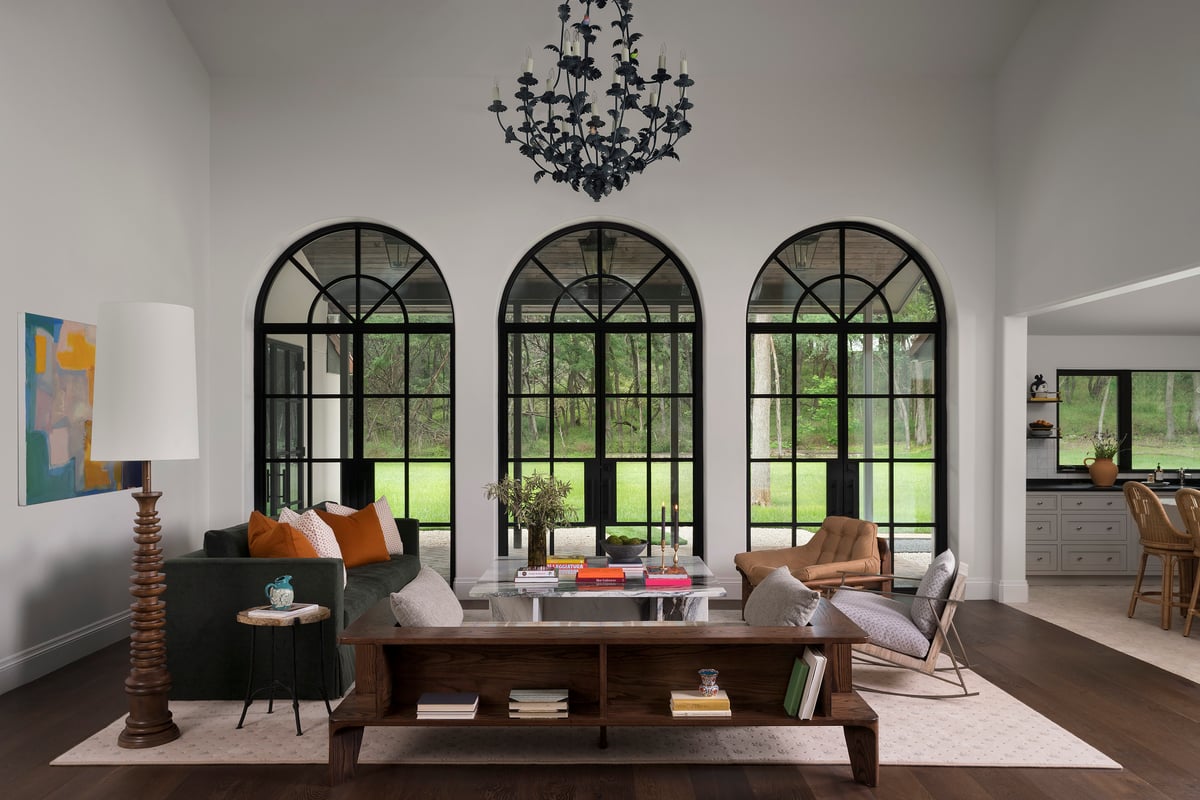
- Arched doorways and windows
- Interior courtyards and covered loggias
- Wrought iron details and hand-painted tile accents
We've guided numerous clients through remodels of Spanish-style homes, where the challenge lies in respecting original architectural elements while introducing modern functionality. The key is understanding which features are integral to the style's character, such as exposed wooden beams or terra cotta flooring, and which can evolve to support contemporary living.
Mid-Century Modern Influence
The clean lines and functional elegance of mid-century modern design found fertile ground in Austin during the 1950s and 1960s. These homes typically showcase:
- Flat or low-pitched rooflines
- Floor-to-ceiling windows
- Open floor plans connecting living spaces
- Integration with natural surroundings
- Minimal ornamentation with focus on proportion
From an interior design perspective, mid-century homes offer remarkable opportunities for layering textures and introducing color without competing with the architecture. We often specify contemporary furniture pieces that honor the era's aesthetic while providing the comfort today's homeowners expect. Bauhaus offers thoughtfully designed contemporary pieces that bridge this gap beautifully, bringing the refined simplicity that complements mid-century bones.
Hill Country Contemporary
This distinctly Austin style emerged as homeowners sought to blend modern architecture with the natural beauty of the Texas Hill Country. Characteristics include:
- Native limestone and natural stone cladding
- Large expanses of glass framing views
- Metal roofing in standing seam profiles
- Outdoor living spaces as extensions of interior rooms
- Sustainable materials and passive cooling strategies
When working on Hill Country Contemporary projects, we focus heavily on material authenticity. The use of locally sourced limestone not only grounds the home in its environment but also provides thermal mass that moderates interior temperatures naturally.
Interior Design Approaches for Austin Homes
Austin home styles and interior design succeed when they balance regional character with personal expression. Here's how we approach different interior aesthetics in our market.
Modern Farmhouse Meets Texas Soul
The modern farmhouse trend has taken root across Austin, but successful implementations require local adaptation. Consider these elements:
| Design Element | Traditional Farmhouse | Austin Adaptation |
|---|---|---|
| Color Palette | White and gray neutrals | Warmer creams, taupes, terracotta |
| Flooring | Wide plank white oak | Reclaimed Texas wood, sealed concrete |
| Metalwork | Matte black hardware | Aged bronze, oil-rubbed finishes |
| Textiles | Linen and cotton | Performance fabrics for heat/sun |
| Lighting | Industrial pendants | Mixed metals with natural elements |
We've found that homeowners appreciate the farmhouse aesthetic’s informal warmth, but they need spaces that can withstand Austin's intense sunlight and occasional humidity. This means specifying UV-resistant textiles for window treatments and selecting finishes that age gracefully rather than showing wear.
Transitional Design with Regional Roots
Transitional style provides an ideal framework for austin home styles and interior design because it allows for the blending of traditional architectural details with contemporary furnishings. This approach works particularly well in:
- Remodels where original character needs to coexist with modern amenities
- New construction that references historical styles without replicating them
- Multi-generational homes where different aesthetic preferences need to harmonize
The transitional palette in Austin typically draws from our landscape: the silvery greens of sage, the warm grays of limestone, the rich browns of live oak bark, and the occasional pop of bluebonnet blue or Indian paintbrush orange.
Quiet Maximalism for Personal Expression
The emerging quiet maximalism trend resonates with Austin's creative community. This approach layers pattern, texture, and collected objects while maintaining visual calm through:
- Controlled color stories that repeat throughout the home
- Varied scales in pattern to create interest without chaos
- Negative space that allows the eye to rest
- Quality over quantity in accessory selections
- Personal narrative woven through art and objects
We implement quiet maximalism through our furnishings and styling services, where we curate layers that feel intentional rather than accumulated. The difference lies in editing: knowing when a space has reached its perfect density of detail.
Material Selection and Austin's Climate
Austin home styles and interior design must account for our unique climate conditions. This influences every material decision we make.
Flooring That Performs
The right flooring provides both aesthetic foundation and practical durability:
- Wide plank hardwood (white oak, walnut) with proper UV-resistant finishes
- Polished concrete for modern aesthetics and thermal mass benefits
- Natural stone (limestone, travertine) for high-traffic and transitional spaces
- Luxury vinyl plank in moisture-prone areas, specified for commercial-grade performance
We generally steer clients away from exotic woods that can expand and contract dramatically in our climate. Interior designers in Austin understand that longevity requires material choices aligned with environmental conditions.
Window Treatments and Light Control
Austin's abundant sunshine is both blessing and challenge. Effective window treatments must:
- Block UV rays to protect furnishings and flooring
- Provide insulation against summer heat gain
- Offer flexible light control for different times of day
- Complement rather than compete with architectural details
Our approach layers solutions: motorized solar shades for UV protection and energy efficiency, topped with custom drapery in performance fabrics that add softness and style. For Spanish-style homes, we might incorporate wooden shutters or wrought iron detailing. In mid-century projects, simple Roman shades often prove most appropriate.
Indoor-Outdoor Living Integration
No discussion of austin home styles and interior design is complete without addressing the seamless flow between interior and exterior spaces.
Covered Outdoor Rooms
Austin's climate supports year-round outdoor use, making covered patios, loggias, and porches essential extensions of the home. Key considerations include:
- Ceiling fans and misting systems for summer comfort
- Outdoor kitchens with proper ventilation and durable materials
- Weather-resistant furnishings that match interior quality standards
- Lighting design that creates ambiance while providing task illumination
- Screens and retractable panels for insect control without visual obstruction
We specify the same level of finish detail in these outdoor rooms as we do inside. This might mean selecting barn door hardware for sliding screens that divide spaces while maintaining sightlines, or specifying custom outdoor cabinetry that echoes interior millwork profiles.
Landscape as Design Element
The relationship between interior design and landscape architecture is particularly important in Austin. From the design team's perspective:
- Sightlines from key interior spaces should be considered during landscape planning
- Native plantings (Texas sage, Mexican feathergrass, esperanza) provide year-round visual interest
- Water features introduce movement and sound that enhance outdoor living areas
- Hardscape materials should complement or match interior flooring for visual continuity
This integrated approach is exemplified in projects like this modern Austin home where landscape and interior design work in concert to create a cohesive whole.
New Construction Design Strategy
Austin home styles and interior design reach their fullest potential when designers engage early in the new construction process. We've learned that the most successful projects begin with collaboration between homeowner, architect, builder, and interior designer from day one.
Early-Stage Design Integration
When we join new construction projects during the architectural phase, we can influence:
- Room proportions and ceiling heights for optimal furniture placement
- Window placement to frame views and maximize natural light
- Built-in cabinetry locations that support lifestyle needs
- Lighting infrastructure including recessed cans, pendant locations, and switching logic
- Plumbing rough-ins for future bathroom and kitchen fixtures
- HVAC placement that doesn't compromise design aesthetics
This early involvement prevents costly changes during construction and ensures that architectural details support the interior design vision. Understanding the interior design timeline for new construction helps homeowners appreciate why early engagement produces superior results.
Finish Selections and Cohesion
The finish selection phase determines the home's material personality. Our process includes:
| Category | Selection Approach | Austin Considerations |
|---|---|---|
| Tile | Natural stone, porcelain, cement | Heat resistance, slip rating, maintenance |
| Countertops | Quartzite, marble, quartz | Durability in high-use areas, heat tolerance |
| Cabinetry | Custom millwork, semi-custom | Wood species suited to humidity, finish quality |
| Hardware | Aged metals, unlacquered brass | Patina development, grip comfort in heat |
| Paint | Low-VOC, high-quality lines | UV resistance, breathability, color accuracy |
We create comprehensive material boards that show how all selections interact under Austin's specific lighting conditions. What looks perfect in a showroom might read differently under our intense natural light.
Color Strategies for Austin Interiors
Austin home styles and interior design embrace color in ways that reflect both landscape and personality. Our approach balances timeless backdrops with opportunities for expression.
Foundation Palettes
We typically establish neutral foundations that:
- Reference limestone, caliche, and natural stone tones
- Provide flexibility for evolving furnishing choices
- Create calm backdrops that highlight architectural features
- Work with Austin's intense natural light without appearing washed out
Warm whites and soft creams perform better in Austin than stark cool whites, which can appear harsh under our strong sunlight. We often specify slightly warmer tones than clients initially envision, knowing they'll read as fresh and bright in situ.
Accent Color Application
Strategic color layering occurs through:
- Upholstered furnishings that can evolve with trends and preferences
- Art and accessories that introduce personal narrative
- Textiles including pillows, throws, and window treatments
- Accent walls in powder rooms, studies, or bedrooms
- Tile patterns in bathrooms and kitchen backsplashes
Current luxury interior design trends favor rich, saturated tones inspired by nature: deep terracottas, sage greens, warm ochres, and dusty blues that complement Austin's environment.
Investment and Value Considerations
Understanding how much interior design costs in Austin helps homeowners budget appropriately for quality results. Austin home styles and interior design represent significant investments that should be approached strategically.
Budget Allocation Framework
For comprehensive projects, we recommend this general allocation:
- 30-40% for structural and architectural elements (if applicable)
- 25-35% for finishes (flooring, tile, countertops, cabinetry)
- 20-25% for furnishings and window treatments
- 10-15% for lighting, art, and accessories
- 5-10% for design fees and project management
These percentages shift based on project scope, but they provide a starting framework. The key is maintaining proportional investment across categories rather than over-allocating to one area while shortchanging others.
Long-Term Value Creation
Quality austin home styles and interior design create value through:
- Timeless material selections that age gracefully rather than appearing dated
- Functional layouts that support how families actually live
- Energy-efficient specifications that reduce operational costs
- Craftsmanship quality that withstands daily use for decades
- Aesthetic cohesion that appeals to future buyers while serving current owners
We've seen beautifully designed homes maintain their market appeal far longer than trendy spaces that require updating every few years.
Working with Design Professionals
The complexity of austin home styles and interior design often warrants professional guidance. Here's what homeowners should expect from the collaboration.
The Discovery Phase
Every project begins with understanding:
- Lifestyle requirements including how spaces will be used daily
- Aesthetic preferences expressed through images, not just words
- Budget parameters including total investment and priority allocations
- Timeline expectations for design development and construction
- Decision-making process within the household
This foundation allows us to create designs that truly serve our clients rather than imposing a predetermined aesthetic.
Collaborative Process Structure
Professional interior design follows a structured approach:
- Concept development with mood boards and spatial planning
- Design refinement through detailed drawings and 3D renderings
- Material and finish selection with samples reviewed in context
- Procurement and ordering with proper lead time management
- Installation oversight ensuring execution matches intent
Throughout this process, we maintain clear communication about timelines, budgets, and decision points. Transparency builds trust and produces better outcomes.
Austin home styles and interior design offer rich opportunities for creating spaces that honor regional character while expressing individual vision. Whether you're drawn to Spanish Hacienda warmth, mid-century modern clarity, or contemporary Hill Country aesthetics, the key lies in thoughtful integration of architecture, materials, and furnishings that support your specific lifestyle. At Etch Design Group, we bring decades of experience translating our clients' aspirations into thoughtfully designed homes that serve as true legacies. Let's explore how we can bring your vision to life with the precision and creativity your project deserves.