
SHARE
Furnishing a luxury home in Austin isn't simply about filling rooms with beautiful pieces. It's about creating an environment that reflects your story, supports how you actually live, and holds up under the scrutiny of both daily use and special occasions. We've spent years guiding Austin homeowners through this process, from Westlake new builds to Tarrytown remodels, and the approach is always the same: intentional, layered, and deeply personal. The difference between a well-decorated space and one that truly feels like home often comes down to how thoughtfully the furnishings are selected, placed, and integrated into the architecture. If you're ready to discuss your project vision and timeline, schedule a complimentary discovery call with our team to create a strategic roadmap for your space.
Key Takeaways
- Begin with spatial planning and architectural context before selecting individual furniture pieces
- Layer furnishings in phases to allow for considered decisions and budget flexibility
- Prioritize quality construction and timeless silhouettes over trendy pieces
- Mix custom, vintage, and designer pieces to create depth and authenticity
- Work with lead times of 12-20 weeks for custom upholstery and case goods
- Consider Austin's climate when selecting fabrics and finishes
- Integrate furnishings with architectural details for a cohesive, designed-in look
Understanding Your Space Before You Furnish
The first mistake we see when furnishing a luxury home in Austin is rushing to select individual pieces before understanding the spatial story. Every home has an architectural narrative, whether it's a Spanish Hacienda in Barton Creek with heavy timber ceilings or a sleek Mid-Century Modern in Tarrytown with walls of glass. These structural elements dictate scale, proportion, and material palette long before a single sofa enters the equation.
We start every furnishings project with a thorough spatial analysis that includes:
- Traffic flow patterns and how people will move through connected rooms
- Architectural focal points like fireplaces, built-ins, or dramatic windows
- Natural light conditions throughout the day and across seasons
- Ceiling heights and room proportions that affect furniture scale
- Existing millwork and finishes that inform color and material direction
This groundwork ensures that when we do begin selecting pieces, they're responding to the architecture rather than competing with it. A fourteen-foot ceiling height demands different furniture proportions than a more intimate eight-foot space, and the heavy limestone common in Austin-area homes benefits from furnishings that provide visual softness and textural contrast.
The Layout Comes First
Before we source a single piece, we develop detailed floor plans that show exact furniture placement, clearances, and sight lines. This isn't about sketching a general arrangement. It's about precise measurements that account for how a sofa arm relates to a side table, how much space exists between seating pieces for comfortable conversation, and whether there's adequate clearance for drawer and cabinet operation.
Standard clearances we maintain:
| Element | Clearance | Reason |
|---|---|---|
| Walkway passage | 36-42 inches | Comfortable two-way traffic |
| Seating to coffee table | 14-18 inches | Functional reach without strain |
| Dining chair pull-out | 36 inches minimum | Room to sit and exit comfortably |
| Nightstand to bed | 2-4 inches | Easy reach, visual proportion |
| Sofa to media console | 8-10 feet | Optimal viewing distance |
These dimensions aren't arbitrary. They're based on ergonomics, building codes, and our experience with what actually functions well in daily life. The Found Luxury trend emphasizes spaces that feel lived-in and personal, which requires furniture arrangements that support real activities, not just photo opportunities.
Establishing Your Furnishings Budget and Timeline
One of the most common questions we receive is about the investment required when furnishing a luxury home in Austin. The honest answer: it varies significantly based on scope, quality level, and how much customization you're pursuing. For a 3,500-square-foot home, we typically see furnishings budgets ranging from $150,000 to $400,000+ for complete, layered interiors that include upholstery, case goods, lighting, window treatments, rugs, art, and accessories.
These aren't off-the-shelf projects. We're specifying custom sofas built to your exact dimensions, sourcing antique pieces from specialized dealers, commissioning original art, and layering vintage finds with contemporary design. Understanding how much interior design costs in Austin helps set realistic expectations early in the planning process.
Timeline considerations for major furniture categories:
- Custom upholstery: 12-16 weeks from order to delivery
- Case goods (cabinets, tables, consoles): 14-20 weeks depending on finish complexity
- Custom rugs: 12-16 weeks for hand-knotted or custom-dyed pieces
- Drapery and window treatments: 8-12 weeks including fabrication and installation
- Lighting fixtures: 6-16 weeks based on complexity and origin
- Art commissioning: 8-24 weeks depending on medium and artist schedule
These lead times mean we're often ordering furniture six months before installation. For new construction projects, we begin furnishings conversations during the framing stage, well before the homeowner moves in. This approach prevents the common scenario of living in a beautiful shell with rental furniture for months while waiting for custom pieces to arrive.
Selecting Pieces That Tell Your Story
The most successful interiors we create feel collected over time, even when they're being furnished from a blank slate. This requires a deliberate mix of sources, styles, and eras that layer together to create depth and authenticity. When furnishing a luxury home in Austin, we're not creating a showroom. We're building an environment that reflects how you want to live and what matters to you.
The Mix That Creates Depth
Our typical sourcing breakdown for a complete home:
- 30-40% custom upholstery and built pieces
- 20-30% high-end contemporary furniture from established design houses
- 15-25% vintage and antique pieces
- 10-15% art and unique accessories
- 10-15% textiles, pillows, and layering elements
This ratio isn't prescriptive, but it illustrates the intentional variety that prevents spaces from feeling one-note or catalog-ordered. A vintage Italian console table brings soul that a new piece rarely matches. Custom upholstery ensures perfect scale and durability. Contemporary lighting adds the unexpected edge that keeps a traditional space from feeling stale.
We carefully avoid the pitfall of copycat interiors by focusing on pieces that connect to our clients' lives rather than trending Instagram aesthetics. If you travel frequently to Morocco, we'll source authentic textiles from Marrakech souks rather than mass-produced "Moroccan-inspired" pillows. If you're a serious cook, we'll design a custom kitchen island that supports your specific workflow rather than replicating a generic luxury kitchen layout.
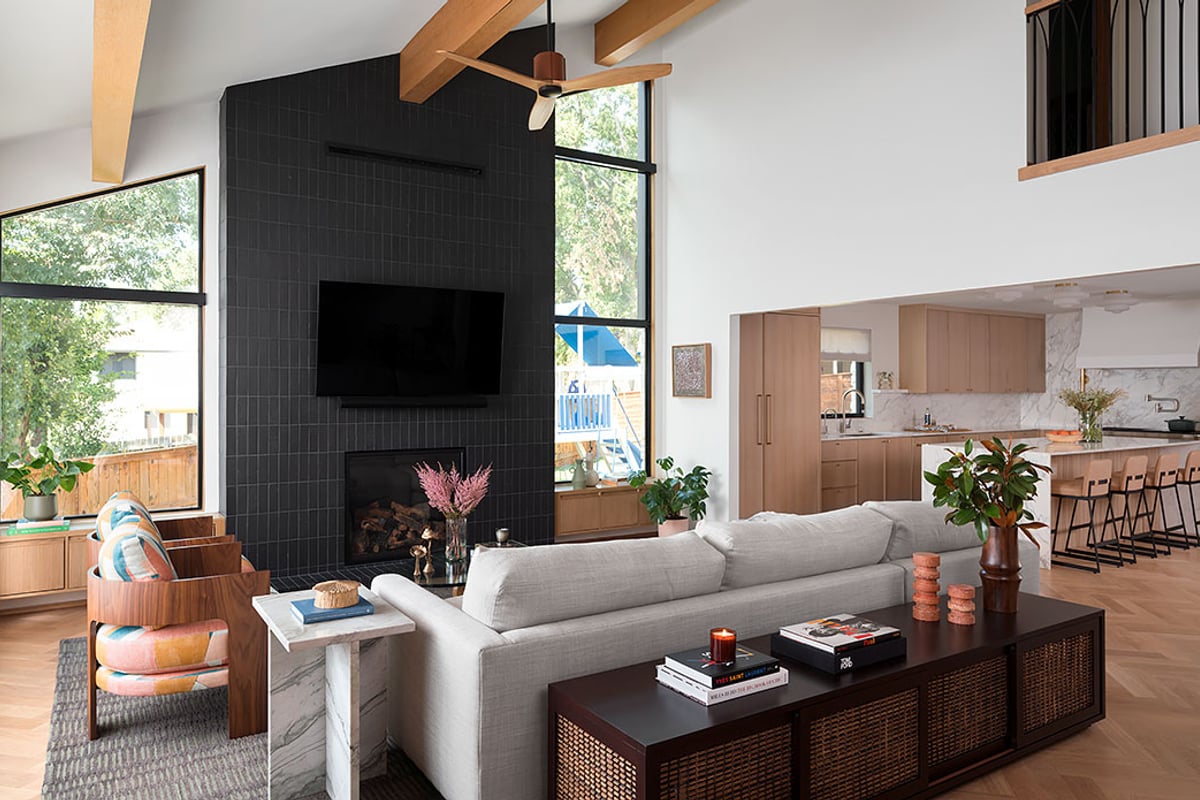
Material and Fabric Considerations for Austin Living
Austin's climate presents specific challenges when furnishing a luxury home in Austin. We experience intense UV exposure, dramatic temperature swings, and humidity fluctuations that affect how materials perform over time. A velvet that's stunning in a Chicago penthouse might show wear quickly on a south-facing Austin sofa that receives afternoon sun.
Performance Without Compromise
Modern performance fabrics have evolved dramatically. We're no longer choosing between durability and beauty. Indoor-outdoor fabrics now include bouclés, linens, and velvets that are stain-resistant, bleach-cleanable, and UV-stable while maintaining the hand and drape of natural fibers.
Fabric selection by room and use:
| Space | Recommended Fabrics | Why |
|---|---|---|
| Primary living areas | Performance linen, cotton blends, treated velvet | Balance of luxury feel and daily durability |
| Dining chairs | Vinyl, leather, performance chenille | Spill resistance, easy cleaning |
| Bedrooms | Natural linens, wools, silks | Less traffic, prioritize comfort and luxury |
| Outdoor transition spaces | Solution-dyed acrylics, Sunbrella Plus | UV stability, moisture resistance |
For case goods and wood furniture, we account for Austin's climate by selecting properly kiln-dried hardwoods and avoiding veneers that might separate in humidity fluctuations. Solid walnut, oak, and maple perform beautifully, while exotic woods require more careful placement away from direct sunlight and HVAC vents.
The Evolution Beyond Cool Neutrals
The shift in living room colors for 2026 reflects a broader move toward warmth and personality that we're seeing in our Austin projects. While cool grays and stark whites dominated luxury interiors for the past decade, we're now layering in warmer tones that create more inviting, lived-in environments.
This doesn't mean abandoning neutral foundations. It means choosing creams over whites, warm grays over cool ones, and incorporating accent colors through upholstery, art, and accessories rather than relying solely on beige-on-beige palettes. A custom sofa in a rich caramel linen creates warmth without overwhelming a space. Dining chairs upholstered in a deep terracotta leather add personality while remaining versatile enough to work as the surrounding space evolves.
Layering Beyond Furniture: The Details That Complete a Space
Furnishing a luxury home in Austin extends well beyond sofas and tables. The layers that transform a well-furnished space into a truly finished one include lighting, window treatments, rugs, art, and accessories. These elements require as much strategic planning as major furniture pieces, and we typically allocate 25-35% of the total furnishings budget to these finishing layers.
Lighting as a three-dimensional layer:
We approach lighting as sculpture, mood-setting, and task functionality simultaneously. A dining room might include a statement chandelier for drama, picture lights to highlight art, and dimmable sconces for ambient warmth. Each source serves a specific purpose while contributing to the overall composition.
In Austin homes with generous natural light, we're particularly attentive to how artificial lighting will perform in the evening hours. A space that feels bright and airy during the day can feel cold and underlit at night without sufficient layered lighting. We specify at least three light sources per room, typically including overhead, task, and accent lighting on separate circuits with dimming capability.
Window Treatments as Architectural Elements
Our approach to window treatments in luxury homes:
- Start with the architecture and view, not catalog images
- Specify custom-sized drapery that extends to true ceiling height
- Layer sheers or solar shades behind decorative panels for light control
- Use motorization for hard-to-reach or frequently adjusted windows
- Select fabrics that withstand Austin's UV exposure without fading
Floor-to-ceiling drapery with proper fullness (typically 2.5x to 3x the window width) creates the visual weight that luxury spaces require. We avoid skimpy panels that barely cover the window or hang awkwardly at odd heights. The investment in custom workroom fabrication and quality hardware ensures treatments hang beautifully and operate smoothly for years.
Working With Design Professionals vs. Going Solo
The question of whether to work with a design firm when furnishing a luxury home in Austin comes down to complexity, timeline, and desired outcome. For a single room refresh with furniture from retail sources, many homeowners successfully navigate the process independently. For whole-home furnishings that involve custom pieces, vintage sourcing, art commissioning, and coordination with construction timelines, professional guidance typically delivers better results and often saves money in the long run.
What We Bring to the Furnishings Process
Our furnishings design services go beyond product selection. We provide:
- Access to trade-only resources not available to the public
- Negotiated pricing that often offsets our design fees
- Detailed space planning that ensures proper scale and proportion
- Project management of ordering, tracking, and coordinating deliveries
- Quality control and receiving inspection before installation
- Styling and placement that considers sight lines and layering
We also prevent costly mistakes. When a client falls in love with a sofa that's 110 inches long but only has 104 inches of wall space, we redirect before money is spent. When lead times threaten to delay a move-in date, we source alternatives that maintain the design vision. When vintage pieces need restoration before they're ready for installation, we coordinate the work through trusted partners.
The slow renovation approach that's gained traction emphasizes thoughtful, phased design that prioritizes quality and intentionality over speed. This philosophy aligns closely with how we guide clients through furnishings projects, particularly for recent remodel or new construction projects where the temptation is to fill every room immediately.
Phasing Your Furnishings Investment
Not every space needs to be completed simultaneously. Strategic phasing allows for more considered decisions, better budget management, and the flexibility to live in a space before finalizing every detail. When furnishing a luxury home in Austin, we typically recommend a three-phase approach.
Phase One: Essential Living Spaces (Months 1-3)
- Primary bedroom and bath
- Kitchen and dining
- Main living area
- Essential lighting and window treatments
Phase Two: Secondary Spaces (Months 4-8)
- Additional bedrooms
- Home office or study
- Outdoor living areas
- Art and styling layers in primary spaces
Phase Three: Finishing Touches (Months 9-12+)
- Guest rooms and specialty spaces
- Final accessory layers
- Landscape integration
- Adjustments based on how you're actually using the space
This approach prevents decision fatigue, allows budgets to be spread over time, and creates opportunities to refine direction as you live with Phase One selections. It also accommodates the reality that some custom pieces will take months to arrive, and there's no reason to delay moving in while waiting for a guest room dresser.
Integrating Furnishings with Architectural Elements
The most successful furnishing projects we complete feel inseparable from the architecture. Built-ins appear designed to accommodate specific furniture pieces. Custom upholstery echoes millwork details. Stone selections in architecture inform accessory materials. This level of integration requires furnishings planning to run parallel with architectural decisions, particularly in new construction and major remodels.
Custom vs. Specified Pieces
We balance custom fabrication with specified designer pieces based on several factors:
When we specify custom fabrication:
- Unique spatial requirements that standard sizing won't accommodate
- Desire for specific fabric not offered by manufacturers
- Integration with millwork or architectural details
- Multi-generational homes requiring specific ergonomic considerations
- Pieces that will receive heavy daily use and need commercial-grade construction
When we specify designer pieces:
- Iconic designs that bring established provenance to a space
- Complex engineering like reclining mechanisms or adjustable components
- Pieces where the designer's specific aesthetic is integral to the vision
- Budget-conscious selections where trade pricing offers strong value
- Quick-ship needs where custom lead times won't work
This calibrated approach allows us to invest the budget where custom work adds genuine value while using specified pieces where they offer the right combination of design, quality, and timeline.
The rise of traditional elements in modern homes reflects a broader appreciation for design with roots and history. We're seeing increased interest in antiques, classical proportions, and time-tested materials even in contemporary Austin homes. A sleek modern living room gains warmth and depth with an eighteenth-century Swedish bench. A minimalist bedroom becomes more personal with a vintage Oushak rug. These layers prevent spaces from feeling generic or developer-grade.
Art, Accessories, and the Collected Layer
The final layer when furnishing a luxury home in Austin involves the objects, art, and accessories that make a space feel inhabited and personal. This is where homes transcend "decorated" and become truly lived-in. We typically reserve 10-15% of the furnishings budget for this layer, though art collecting can expand that percentage significantly based on client priorities.
Building an Art Collection
For clients building art collections, we provide guidance on:
- Scale and proportion relative to wall space and surrounding furnishings
- Framing and presentation that protects the investment and enhances the work
- Lighting design that properly illuminates art without causing UV damage
- Emerging vs. established artists based on budget and collecting philosophy
- Installation methods that work with wall construction and piece weight
We work with galleries, artists, and consultants to source original work, and we're equally comfortable incorporating family pieces and sentimental objects that carry personal meaning. A child's painting framed to gallery standards holds as much design value as an established artist's work when it connects to the client's story.
Accessory placement strategy:
- Group items in odd numbers (3, 5, 7) for visual interest
- Vary heights and scales within groupings
- Leave intentional negative space rather than filling every surface
- Rotate seasonal elements while maintaining core collections
- Layer textures and materials for depth
The current trend toward luxury design that emphasizes personality has reinforced what we've always known: the most successful luxury interiors feel personal, not prescribed. This means fewer matching sets, more considered collections, and accessories that tell stories rather than simply filling space.
Furnishing a luxury home in Austin requires balancing timeless design principles with the specific demands of our climate, architectural context, and the way you actually live. From initial space planning through final accessory placement, every decision should support a cohesive vision that feels both elevated and authentically yours. At Etch Design Group, we guide clients through this complex process with strategic planning, trade access, and the kind of refined perspective that comes from years of creating enduring interiors across Austin and beyond.