
SHARE
Industrial chic decor has evolved from reclaimed warehouses and urban lofts into a sophisticated design language that speaks to homeowners and business owners alike. This aesthetic combines the honest beauty of raw materials with carefully curated refinement, creating spaces that feel both grounded and elevated. The style emerged from the adaptive reuse of industrial buildings in cities like New York and London during the late 20th century, where designers and artists transformed factories into living spaces. Today, industrial chic decor transcends its origins, offering a versatile framework for both residential and commercial environments that value authenticity, materiality, and thoughtful design.
Understanding the Foundations of Industrial Chic Design
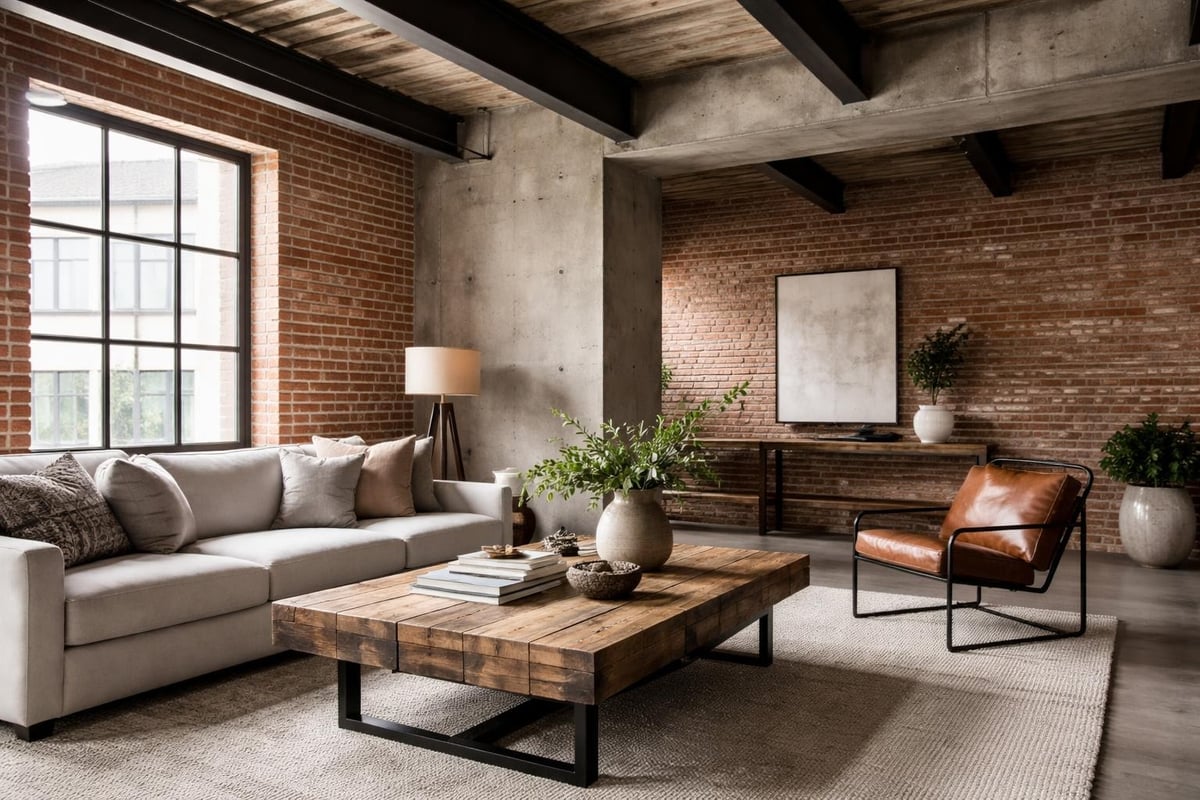
The core philosophy behind industrial chic decor centers on celebrating the inherent character of materials and structural elements rather than concealing them. Exposed brick walls, steel beams, concrete floors, and visible ductwork become intentional design features rather than problems to solve.
Key foundational elements include:
- Exposed architectural details that reveal construction methods
- Raw or minimally finished materials that age with character
- Open floor plans that honor the spaciousness of industrial buildings
- Large windows that maximize natural light
- Neutral color palettes anchored by grays, blacks, whites, and earth tones
What distinguishes industrial chic from purely industrial design is the deliberate layering of refined elements. This isn't about creating a cold, austere warehouse. The "chic" component introduces warmth through textiles, carefully selected furniture, and accessories that soften the raw edges while maintaining the aesthetic's integrity.
Decorilla’s exploration of industrial chic design highlights how this balance between rough and refined creates visual tension that keeps spaces interesting. The contrast becomes the defining characteristic.
Material Selection and Architectural Honesty
Materiality drives every decision in industrial chic decor. Rather than hiding structural elements behind drywall and paint, this approach celebrates them as design assets.
Primary Materials That Define the Aesthetic
| Material | Application | Design Impact |
|---|---|---|
| Exposed Brick | Walls, accent features | Texture, warmth, historical reference |
| Steel & Metal | Beams, railings, fixtures | Structural honesty, industrial authenticity |
| Concrete | Floors, countertops, walls | Raw minimalism, durability |
| Reclaimed Wood | Flooring, accent walls, furniture | Warmth, sustainability, character |
| Glass | Windows, partitions, lighting | Openness, light transmission |
The selection process requires understanding how materials interact. Concrete floors might feel too cold without the warmth of reclaimed wood accents. Steel beams gain visual interest when contrasted against soft textiles or greenery.
When working on residential remodels, the challenge often involves revealing existing architectural elements that previous renovations concealed. Removing dropped ceilings to expose ductwork or stripping away layers to reveal original brick requires careful planning and execution.
Strategic material considerations:
- Patina and aging: Choose materials that improve with time rather than deteriorate
- Acoustic properties: Hard surfaces require thoughtful sound management through textiles and furniture
- Maintenance requirements: Unsealed concrete or exposed metal needs appropriate care
- Thermal comfort: Balance raw materials with elements that provide warmth
The authentic approach to industrial chic decor means selecting materials for their inherent qualities rather than imitations. Real metal instead of metal-look plastic. Actual reclaimed wood rather than distressed new lumber. This commitment to authenticity creates depth that photographs capture but imitations cannot replicate.
Creating Balance Through Furnishings and Textiles
The transformation from industrial to industrial chic happens primarily through furnishing choices. This is where raw architectural elements meet refined living.
Furniture selection in industrial chic spaces follows specific principles. Pieces often feature clean lines with visible construction methods, echoing the architectural honesty of the space itself. ZYYAH’s guide to mixing raw and modern elements demonstrates how furniture serves as a bridge between the hard architecture and comfortable living.
Furniture Characteristics
Structural furniture choices:
- Metal-framed pieces with leather or canvas upholstery
- Wood dining tables with visible grain and minimal finishing
- Modular seating that respects open floor plans
- Vintage industrial pieces repurposed as functional furniture
- Contemporary designs with exposed joinery or hardware
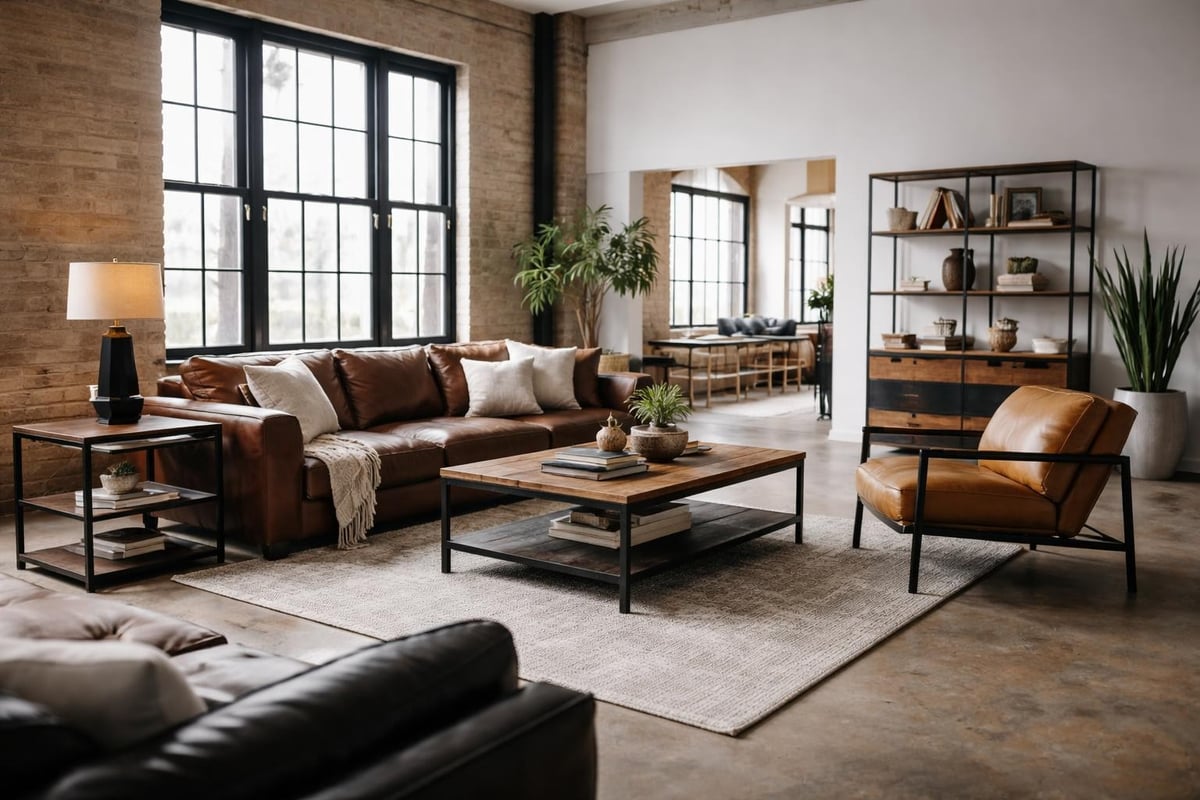
Textiles introduce the softness essential to preventing industrial spaces from feeling cold or institutional. Layering becomes critical-a leather sofa paired with linen pillows and a wool throw creates textural complexity. Area rugs define zones within open layouts while absorbing sound and adding warmth underfoot.
Textile layering strategy:
- Heavy canvas or linen for upholstery durability
- Wool or cotton for throws and pillows
- Natural fiber rugs (jute, sisal) or vintage wool rugs
- Leather as an accent material that ages beautifully
- Minimal window treatments that preserve natural light
The color palette for furnishings typically draws from the neutral foundation of the architecture. Charcoal, camel, black, white, and warm grays dominate, with occasional strategic color introductions through art or accessories.
Lighting as Sculptural and Functional Elements
Lighting in industrial chic decor serves dual purposes: illumination and visual statement. The style embraces fixtures that reveal their mechanics-exposed bulbs, visible cords, metal cages, and articulated arms.
Lighting Categories and Applications
Ambient lighting options:
- Track lighting systems with adjustable heads
- Large-scale pendant fixtures with metal shades
- Exposed Edison bulb chandeliers
- Industrial cage lights
- Statement fixtures made from repurposed industrial elements
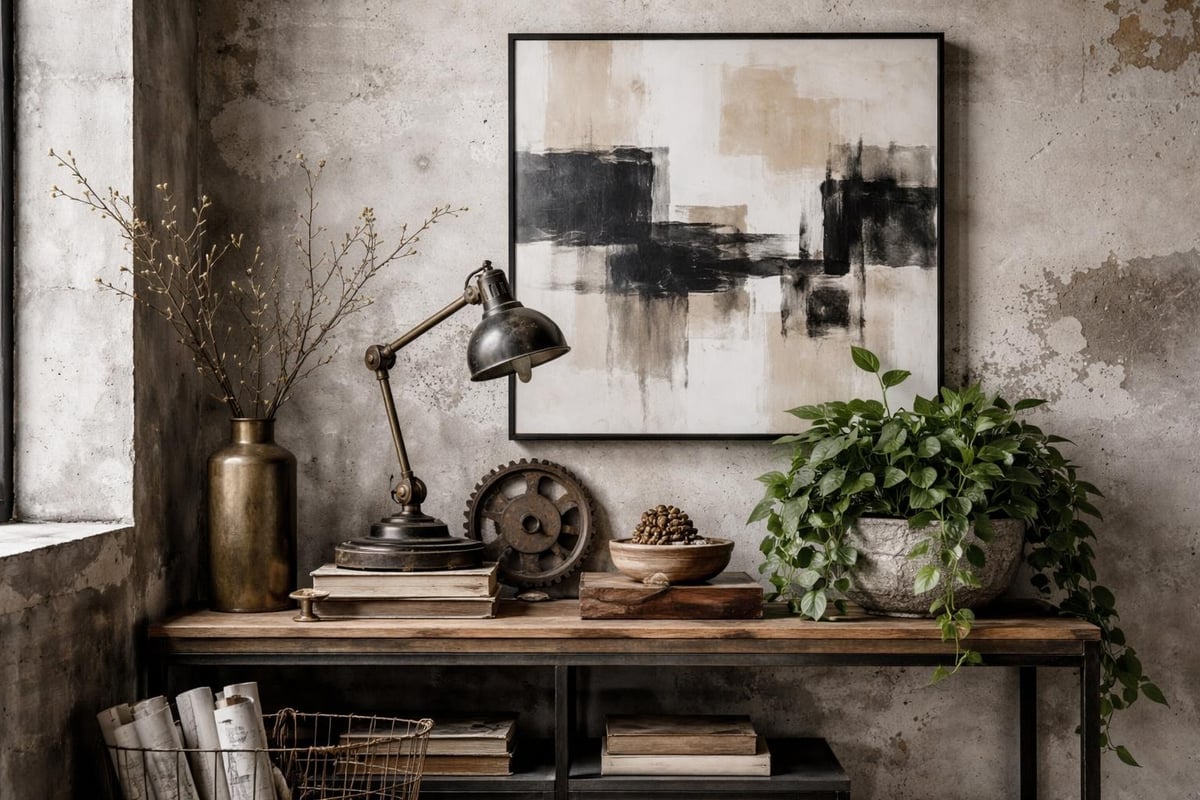
Task lighting continues the aesthetic through desk lamps with articulated arms, floor lamps with tripod bases, and wall-mounted swing-arm fixtures. These pieces often feature materials consistent with the broader palette: steel, brass, iron, or powder-coated metal.
Natural light remains paramount. Industrial spaces traditionally featured large windows to illuminate factory floors, and this translates to residential and commercial applications through floor-to-ceiling windows, skylights, and glass partitions. Decoholic’s industrial living room ideas emphasize maximizing natural light while using fixtures as sculptural elements during evening hours.
| Fixture Type | Best Application | Material Choices |
|---|---|---|
| Pendant | Dining areas, kitchen islands | Metal, glass, concrete |
| Track | General ambient, highlighting | Powder-coated steel, brass |
| Floor Lamp | Reading areas, corners | Metal frame, minimal shade |
| Sconce | Hallways, bedside | Industrial cage, brass |
| Statement Piece | Focal point in open areas | Mixed metals, vintage finds |
The temperature of light matters significantly. Warm white bulbs (2700-3000K) soften the hard edges of industrial materials, while cooler temperatures can emphasize the utilitarian aspects. Dimming capability adds flexibility for different times of day and uses.
Spatial Planning and Open Concept Considerations
Industrial chic decor naturally aligns with open floor plans, a legacy of its warehouse origins. However, creating functional zones within open spaces requires strategic planning.
Zoning strategies include:
- Furniture placement to define areas without walls
- Rugs to anchor specific functions (dining, seating, workspace)
- Partial walls or glass partitions that maintain openness
- Level changes where architectural modifications are possible
- Lighting zones that define different areas through illumination
The approach to spatial planning in industrial chic environments emphasizes flow and flexibility. Furniture becomes moveable when possible, allowing spaces to adapt to different uses. This flexibility makes the style particularly relevant for commercial interior design projects where spaces may need to serve multiple functions.
Ceiling height plays a crucial role. High ceilings enhance the industrial feeling and provide opportunities for dramatic lighting or exposed systems. When working with standard ceiling heights, the focus shifts to other industrial elements like material choices and furnishings.
Storage presents specific challenges in industrial chic spaces. The aesthetic resists closed cabinets and hidden storage, instead favoring open shelving, visible storage systems, and furniture that serves dual purposes. Metal shelving units, vintage lockers repurposed as wardrobes, and glass-fronted cabinets maintain the open, honest quality while providing necessary function.
Personalizing Industrial Chic Through Art and Accessories
The danger of industrial chic decor lies in creating spaces that feel generic or theme-like rather than authentically designed. Personalization through art and accessories prevents this outcome.
Art selection in industrial spaces tends toward several directions. Large-scale pieces hold their own against substantial architecture. Abstract works complement the geometric quality of industrial elements. Photography, particularly black and white architectural or urban imagery, reinforces the aesthetic. Storables’ discussion of raw and refined home design illustrates how art becomes the layer that makes industrial spaces feel inhabited rather than staged.
Accessory Selection Principles
Categories of accessories that enhance industrial spaces:
- Greenery and plants that introduce organic softness
- Vintage industrial objects repurposed as decorative elements
- Books and collected objects displayed on open shelving
- Textural objects like woven baskets or ceramic pieces
- Mirrors in metal frames that amplify light and space
The key to successful accessorizing lies in curation rather than accumulation. Each piece should feel intentional, contributing to the overall narrative of the space. A vintage factory mold becomes sculpture. A collection of leather-bound books adds warmth and intellectual weight. Industrial-era tools displayed as art connect present design to historical function.
Plants deserve special attention in industrial chic decor. Their organic forms and living quality provide essential contrast to hard materials. Large-scale plants like fiddle leaf figs or rubber trees make architectural statements. Smaller plants grouped on shelving or surfaces add layers of life throughout the space.
Metal planters, concrete vessels, and simple ceramic pots align with the material palette. The goal is allowing the plants themselves to provide the softness and color rather than decorative containers.
Commercial Applications of Industrial Chic Aesthetics
While industrial chic decor originated in residential conversions, its application in commercial environments has grown significantly. Martina Pardo’s analysis of industrial chic in commercial interiors explores how the aesthetic supports brand identity while creating functional work environments.
Commercial spaces that benefit from industrial chic design:
- Creative office environments
- Restaurants and hospitality venues
- Retail spaces, particularly for artisanal or maker brands
- Coworking facilities
- Fitness studios
- Coffee shops and cafes
The aesthetic communicates authenticity, creativity, and a certain urban sophistication that appeals across industries. For businesses, the durability of industrial materials provides practical benefits alongside aesthetic ones. Concrete floors withstand heavy traffic. Metal fixtures resist wear. The materials that define the style also perform well under commercial demands.
In commercial applications, the balance between raw and refined requires additional consideration of brand alignment. A law firm implementing industrial chic elements will skew toward more refinement than a craft brewery tasting room. The foundational principles remain consistent, but their expression varies based on brand identity and clientele expectations.
Etch Design Group approaches commercial projects by understanding both the functional requirements and the brand story that the space needs to tell. When working on commercial remodels or new builds, we evaluate how industrial chic elements can support operational flow while creating an environment that employees and visitors want to inhabit. The goal is designing spaces that feel both purposeful and enduring, where the industrial aesthetic serves the business rather than overwhelming it.
Adapting Industrial Chic for Residential Warmth
The challenge in residential industrial chic decor centers on creating spaces that feel like homes rather than showrooms. This requires understanding which elements to emphasize and which to soften.
Residential Adaptation Strategies
| Element | Raw Approach | Refined Residential Approach |
|---|---|---|
| Flooring | Polished concrete throughout | Concrete in public spaces, wood in bedrooms |
| Walls | Exposed brick everywhere | Brick as accent walls, painted drywall elsewhere |
| Ceilings | Fully exposed systems | Exposed in living areas, finished in bedrooms |
| Window Treatments | None or minimal | Linen panels for privacy and softness |
| Seating | Metal and leather only | Mix of upholstered comfort with industrial frames |
Bedrooms particularly benefit from softening industrial elements. While maintaining the aesthetic through material choices and furniture, introducing more textiles, warmer lighting, and finished surfaces creates spaces conducive to rest. A bedroom might feature an industrial metal bed frame paired with luxurious linens, a soft rug underfoot, and warmer wall finishes than the main living areas.
Kitchens in industrial chic homes walk the line between professional-grade functionality and residential warmth. Stainless steel appliances and open shelving nod to commercial kitchens, while wood cutting boards, copper accents, and thoughtful lighting prevent the space from feeling institutional.
Decoriety’s interior design guide offers actionable tips for balancing these elements, emphasizing that successful residential industrial design creates visual interest without sacrificing comfort.
Bathrooms provide opportunities for material experimentation. Concrete vessel sinks, exposed plumbing fixtures, and industrial-style mirrors create the aesthetic, while heated floors and quality lighting ensure comfort. The key is selecting elements that honor the style while acknowledging the room's intimate nature.
Sustainability and Industrial Chic Philosophy
Industrial chic decor aligns naturally with sustainable design principles through its emphasis on durability, reuse, and honest materials. This connection runs deeper than aesthetics-it represents a philosophical approach to consumption and design.
Sustainable aspects of industrial chic include:
- Adaptive reuse of existing structures rather than demolition
- Preference for durable materials that don't require frequent replacement
- Incorporation of salvaged and reclaimed materials
- Minimal finishing processes that reduce chemical use
- Timeless aesthetic that resists trend-driven obsolescence
Reclaimed wood, a staple of industrial chic decor, prevents old-growth lumber from landfills while bringing character impossible to replicate with new materials. Vintage industrial lighting and furniture reduce demand for new manufacturing while providing unique pieces with history.
The open floor plans typical of industrial chic spaces often improve energy efficiency by allowing air circulation and light penetration throughout the space. Exposed mechanical systems can actually improve maintenance and efficiency by making components accessible for service and upgrades.
When implementing industrial chic design in new construction, the challenge lies in creating authentic-feeling industrial elements without the benefit of existing structures. This requires selecting materials and finishes that embody the aesthetic's honest, minimal-processing philosophy while meeting current building codes and performance standards.
Common Challenges and Solutions
Implementing industrial chic decor presents specific challenges that require strategic solutions. Understanding these obstacles allows for better planning and more successful outcomes.
Acoustic Management
Hard surfaces create sound reflection that can make spaces uncomfortable. Solutions include strategic placement of textiles, acoustic panels disguised as art, area rugs, and upholstered furniture. In commercial applications, specialized acoustic treatments can be integrated into the design without compromising the aesthetic.
Temperature Regulation
Concrete and metal conduct temperature, potentially creating cold spaces in winter. Radiant floor heating addresses this while remaining invisible. Layered textiles, area rugs, and strategic furniture placement create warmer zones within larger spaces.
Balancing Raw and Livable
The most common failure in industrial chic design comes from over-emphasizing raw elements at the expense of comfort. Regular evaluation during the design process ensures that aesthetic goals don't override functional requirements. Every raw element should be balanced with refined counterpoints.
Cost Considerations
Authentic industrial materials and vintage pieces can be expensive. Strategic mixing of investment pieces with more accessible elements creates the aesthetic without overextending budgets. Focusing budget on key visible elements while using cost-effective solutions in less prominent areas maintains overall quality.
Code Compliance
Exposed systems and unconventional finishes sometimes conflict with building codes. Working with experienced designers and contractors who understand both the aesthetic and regulatory requirements prevents costly mid-project changes.
Evolution and Contemporary Interpretations
Industrial chic decor continues evolving as designers find new ways to interpret its core principles. Contemporary approaches often introduce elements from other aesthetics while maintaining the foundation of raw materials and honest design.
Current evolution trends include:
- Integration of smart home technology within industrial frameworks
- Increased color introduction while maintaining neutral dominance
- Mixing industrial elements with mid-century modern furniture
- Warmer metal finishes like brass and copper alongside traditional steel
- More organic shapes balanced against the geometric industrial backdrop
The style's flexibility allows it to absorb influences while retaining its essential character. A space might incorporate Scandinavian-style simplicity through lighter woods and cleaner lines while maintaining industrial materiality. Another might introduce bohemian textiles and global accessories while keeping the structural industrial elements as foundation.
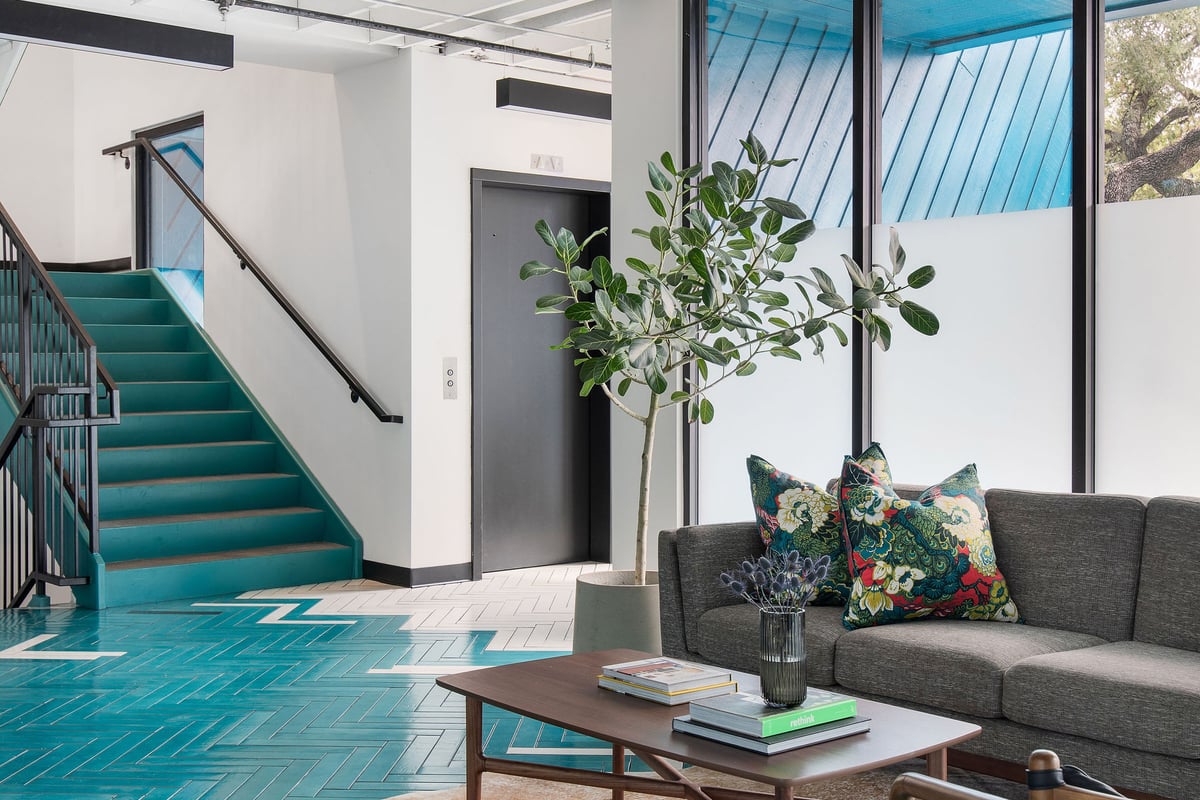
This adaptability ensures industrial chic decor remains relevant across different markets and evolving preferences. In Austin's design landscape, interpretations often incorporate more warmth and color than strict traditional industrial, reflecting regional preferences while honoring the aesthetic's core principles.
For those exploring how to personalize industrial chic spaces further, Etch Design Group's portfolio demonstrates various interpretations across residential and commercial projects, showing how the aesthetic adapts to different programs and client preferences.
Implementation Timeline and Phasing
Creating cohesive industrial chic spaces benefits from strategic phasing, particularly in renovation projects. Understanding the sequence allows for better budget management and reduces disruption.
Recommended implementation phases:
- Architectural revelation: Expose existing structural elements, remove dropped ceilings, reveal brick
- Material finishes: Install or finish flooring, address walls, complete any metalwork
- Systems and lighting: Install exposed systems, add lighting infrastructure
- Furniture foundation: Introduce key pieces that define zones and function
- Layering and refinement: Add textiles, art, accessories, and plants
This phased approach also allows for living with spaces before committing to every detail. Initial phases establish the architectural and material framework. Later phases can evolve based on how the space actually functions and feels in use.
Budget allocation typically emphasizes architectural and material phases, as these elements define the space permanently. Furniture and accessories offer more flexibility for phasing and adjustment over time.
Industrial chic decor succeeds when raw materials and refined elements create balanced spaces that feel both authentic and elevated. The aesthetic's emphasis on honest materials, thoughtful design, and functional beauty aligns with creating environments that support how people actually live and work. Whether you're envisioning an urban loft, a converted warehouse, or simply incorporating industrial elements into your home or business, Etch Design Group brings the expertise to translate this aesthetic into spaces that tell your story while providing enduring beauty and function. We specialize in creating interiors that honor both your vision and the integrity of thoughtful design.
Article written using RankPill.