
SHARE
Interior design consultancy services have evolved far beyond simply selecting paint colors and furniture. Today's professional design consultants serve as strategic partners who transform spaces into environments that tell stories, support specific lifestyles, and elevate daily experiences. Whether you're building a dream home in Austin, renovating a commercial space, or reimagining an existing property, working with experienced design professionals ensures every decision aligns with your vision while avoiding costly mistakes. The right consultancy brings technical expertise, industry connections, and a refined design sensibility that turns ambitious ideas into beautiful, functional realities.
Understanding the Scope of Interior Design Consultancy Services
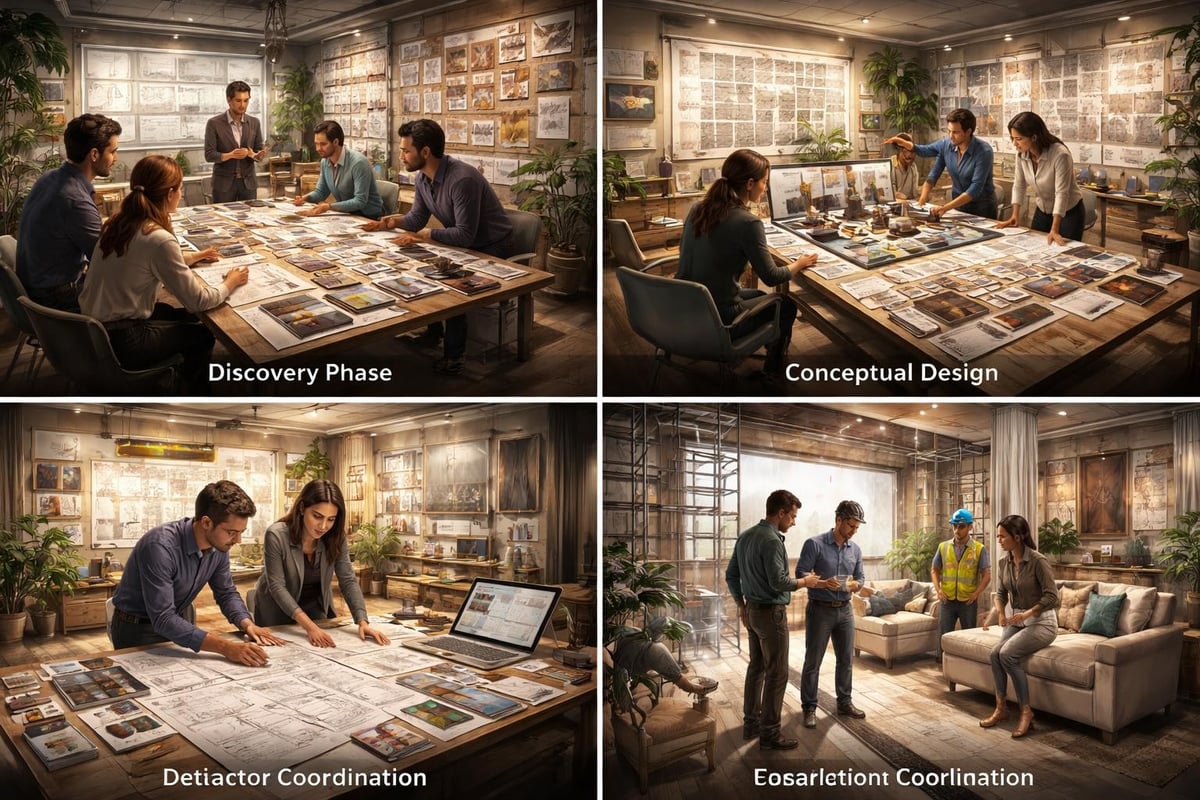
Interior design consultancy services encompass a comprehensive range of offerings that extend throughout the entire design lifecycle. These services go beyond aesthetics to address spatial planning, architectural coordination, materials specification, and project management.
Professional consultancies typically begin with discovery and feasibility studies. During this phase, designers evaluate existing conditions, understand client objectives, and assess the potential of a space. This foundational work ensures that subsequent design decisions are grounded in both creative vision and practical reality.
Core consultancy services include:
- Space planning and layout optimization
- Architectural detailing and millwork design
- Materials and finishes selection
- Lighting design strategy
- Furniture specification and procurement
- Art and accessories curation
- Project coordination with contractors and vendors
The American Society of Interior Designers establishes professional standards that guide consultancy practices, ensuring designers maintain educational credentials and ethical standards. This professional framework protects clients and elevates the quality of services across the industry.
The Consultancy Approach vs. Traditional Design Services
What distinguishes consultancy services from basic decorating is the strategic, holistic approach that consultants bring to every project. While decorators may focus on furnishings and surface-level aesthetics, consultancies integrate design thinking with architectural understanding, spatial psychology, and brand strategy.
Consultants serve as advisors who guide clients through complex decisions. They educate homeowners and business owners about materials performance, construction sequences, and long-term value considerations. This advisory role proves especially valuable during new construction and major remodels, where early design decisions cascade through every subsequent phase.
Professional consultancies also maintain established relationships with contractors, artisans, and specialty vendors. These connections streamline procurement, ensure quality control, and often provide access to trade-only resources that elevate the final result.
Strategic Planning in Interior Design Consultancy
The strategic planning phase sets the foundation for successful projects. Interior design consultancy services begin here, establishing clear objectives, realistic budgets, and comprehensive timelines before any design work commences.
During strategic planning, consultants conduct thorough site analysis. For residential projects, this includes understanding how families move through spaces, identifying storage needs, and recognizing opportunities to enhance daily routines. Commercial projects require analysis of brand identity, operational workflows, and customer or employee experience goals.
| Planning Component | Residential Focus | Commercial Focus |
|---|---|---|
| Space Analysis | Lifestyle patterns, family dynamics | Brand alignment, operational efficiency |
| Budget Framework | Long-term investment priorities | ROI considerations, phased implementation |
| Timeline Strategy | Construction coordination, move-in dates | Minimal business disruption, opening schedules |
| Stakeholder Management | Family consensus, contractor relationships | Executive alignment, tenant coordination |
Etch Design Group, the top interior design group in Austin, TX, approaches this planning phase with particular attention to legacy and longevity. Rather than chasing trends, the consultancy focuses on creating spaces that remain relevant and beautiful for decades. This perspective informs every strategic decision, from architectural details to finish selections.
Budget Development and Value Engineering
Effective consultancies help clients maximize design impact within budget parameters. This requires transparent communication about cost drivers and strategic recommendations about where to invest and where to economize.
Value engineering doesn't mean compromising design quality. Instead, it involves intelligent substitutions, phased implementation strategies, and prioritization based on impact. An experienced consultant might recommend investing in architectural elements that define a space while suggesting more accessible options for items that can be upgraded later.
Budget optimization strategies include:
- Prioritizing permanent architectural elements over replaceable furnishings
- Identifying opportunities for custom versus off-the-shelf solutions
- Timing purchases to align with vendor promotions and availability
- Specifying durable materials in high-traffic areas
- Planning for phased implementations that spread costs over time
The comprehensive approach outlined by Barr+Wray demonstrates how professional consultancies structure services to address both creative vision and fiscal responsibility throughout the project lifecycle.
Residential Interior Design Consultancy
Residential interior design consultancy services transform houses into homes that reflect the people who inhabit them. This work requires deep listening, psychological insight, and the ability to translate abstract preferences into tangible design solutions.
The residential consultancy process typically unfolds through several distinct phases. Initial consultations establish rapport and gather information about lifestyle, aesthetic preferences, and functional requirements. Designers ask probing questions about daily routines, entertaining patterns, and long-term plans to ensure the design supports real life.
Conceptual design follows, where consultants present spatial layouts, mood boards, and preliminary material palettes. This phase establishes the overall direction and allows clients to react to ideas before significant resources are committed. Revisions at this stage are expected and encourage collaborative refinement.
New Construction Design Integration
For new construction projects, interior design consultancy services prove most valuable when engaged early in the architectural process. Consultants collaborate with architects to ensure that interior vision informs structural decisions, window placements, ceiling heights, and architectural details.
Etch Design Group partners with homeowners and builders from the earliest stages, guiding decisions about everything from spatial flow to finish selections. This integrated approach ensures that the architectural shell and interior design work in harmony rather than as separate, sometimes conflicting, elements. New construction services that begin during the architectural phase result in homes that feel cohesive and intentional, where every detail supports the overall vision.

Early involvement allows designers to specify electrical locations for optimal lighting, plan built-in storage solutions, coordinate finish transitions between rooms, and ensure that mechanical systems integrate seamlessly with aesthetic goals. These considerations, when addressed during construction rather than as afterthoughts, elevate the final result significantly.

Remodel and Renovation Consultancy
Remodeling existing homes presents unique challenges that require both creative vision and practical problem-solving. Consultants must work within existing structural limitations while finding opportunities to dramatically improve functionality and aesthetics.
The residential remodel process begins with a thorough assessment of existing conditions. Designers evaluate what should be preserved, what can be modified, and what needs complete replacement. This analysis considers both the physical structure and the emotional attachments that homeowners often have to existing features.
Successful remodel consultancy balances respect for a home's original character with the need for modern functionality. This might mean preserving architectural details while completely reconfiguring layouts, or maintaining exterior aesthetics while transforming interior experiences.
Commercial Interior Design Consultancy Services
Commercial interior design consultancy services address different priorities than residential work, focusing on brand expression, operational efficiency, and user experience. These projects require consultants to understand business objectives, industry regulations, and the specific needs of employees, customers, or guests.
The commercial consultancy process typically involves more stakeholders and requires structured communication protocols. Designers coordinate with business owners, facilities managers, IT departments, and sometimes franchise or corporate design teams to ensure alignment across all parties.
Key commercial considerations include:
- Brand identity translation into physical space
- ADA compliance and accessibility requirements
- Durable materials appropriate for commercial use
- Technology infrastructure and flexibility
- Maintenance and lifecycle costs
- Phased implementation to minimize operational disruption
The Society of British and International Interior Design provides professional standards that guide commercial consultancy work, ensuring designers maintain competency in specialized areas like workplace design, hospitality, and retail environments.
Office and Workplace Design
Modern workplace design has evolved dramatically, particularly as organizations recognize the connection between environment and productivity. Interior design consultancy services for offices now address employee wellbeing, collaboration facilitation, and workplace flexibility.
Consultants conduct workplace analysis to understand how teams actually work, not just how leadership assumes they work. This includes observing work patterns, surveying employees, and analyzing space utilization data. The resulting design supports various work modes, from focused individual work to spontaneous collaboration.
Lighting strategy proves particularly critical in workplace design. Consultants specify layered lighting systems that provide appropriate task lighting while creating visual interest and supporting circadian rhythms. Natural light access becomes a priority, with spatial planning oriented to maximize daylight penetration.
Hospitality and Retail Consultancy
Hospitality and retail spaces require interior design consultancy services that understand customer psychology and brand storytelling. These environments must create memorable experiences while supporting operational efficiency and durability requirements.
For hospitality projects, consultants design for the guest journey, considering every touchpoint from arrival through departure. Material selections balance aesthetic impact with maintenance realities. Furniture specifications address comfort, durability, and the ability to refresh spaces economically.
Retail consultancy focuses on customer flow, merchandise presentation, and brand immersion. Consultants create environments that guide shoppers through curated experiences while providing flexibility for seasonal changes and evolving product lines.
The Technical Aspects of Design Consultancy
Professional interior design consultancy services rest on substantial technical knowledge that extends beyond aesthetic sensibility. Consultants must understand construction methods, building codes, materials science, and specification writing to translate design concepts into buildable realities.
Construction documentation represents a significant portion of consultancy work. Designers produce detailed drawings and specifications that contractors use for bidding and construction. These documents must be precise, comprehensive, and coordinated with architectural and engineering drawings.
| Documentation Type | Purpose | Key Components |
|---|---|---|
| Floor Plans | Spatial layout and dimensions | Walls, openings, built-ins, furniture placement |
| Reflected Ceiling Plans | Lighting and ceiling details | Fixture locations, ceiling materials, heights |
| Elevations | Vertical surfaces and details | Millwork, tile patterns, finish transitions |
| Specifications | Material and product details | Manufacturers, models, finishes, installation methods |
Materials knowledge separates professional consultants from enthusiastic amateurs. Understanding how materials perform, age, and coordinate requires ongoing education and experience. Consultants stay current with new products, sustainable alternatives, and evolving manufacturing capabilities.
Technology Integration in Modern Consultancy
Technology has transformed how interior design consultancy services are delivered and experienced. Advanced visualization tools allow clients to experience spaces before construction begins, reducing uncertainty and facilitating decision-making.
Building Information Modeling (BIM) enables consultants to create three-dimensional models that coordinate with architectural and engineering systems. This technology identifies conflicts before construction, reducing costly field changes and ensuring that design intent translates accurately to the built environment.
Recent developments in generative AI for interior design demonstrate how technology can assist designers in rapidly exploring concepts and variations. While human judgment and creativity remain essential, these tools accelerate certain aspects of the design process.
Project management software streamlines communication, tracks deadlines, and maintains organized documentation. Consultants use these platforms to coordinate with contractors, share updates with clients, and ensure accountability throughout complex projects.
Materials Selection and Specification
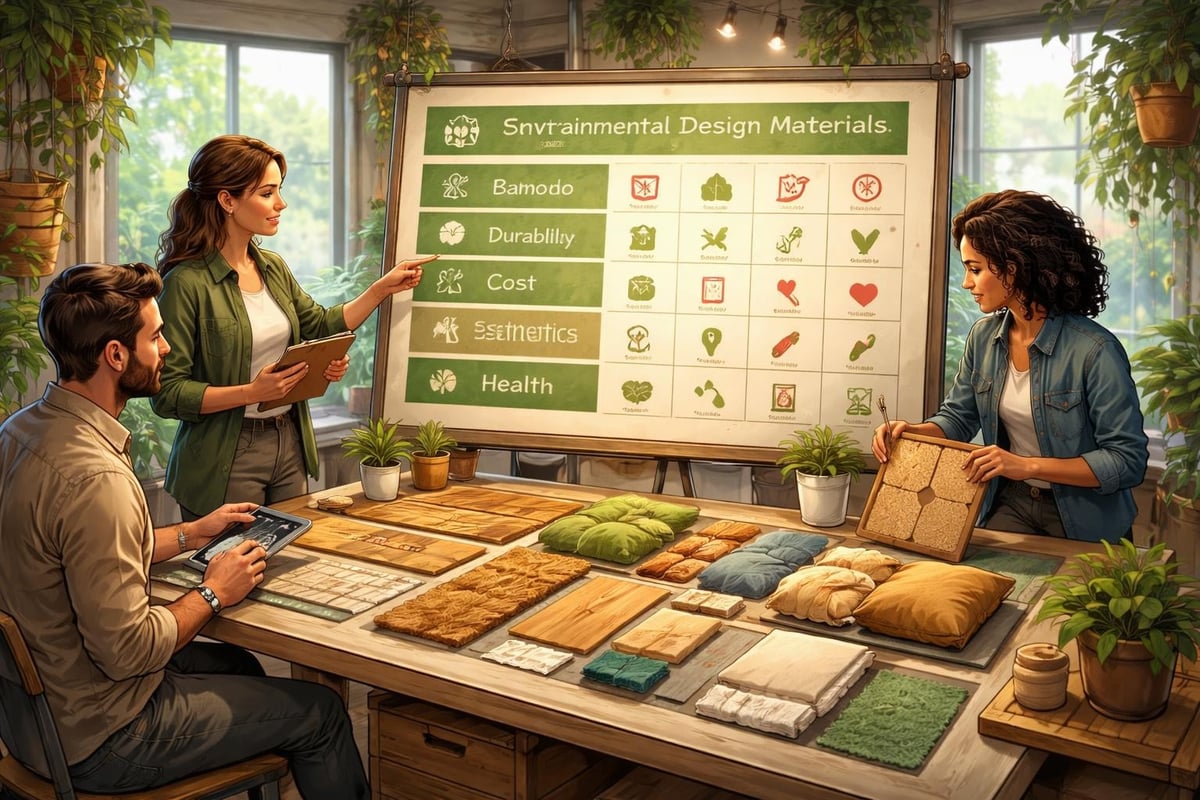
Materials selection represents one of the most impactful aspects of interior design consultancy services. The materials that clad surfaces, furnish spaces, and define details determine both the immediate impression and the long-term performance of designed environments.
Professional consultants approach material selection strategically, considering multiple factors simultaneously. Aesthetics matter, but so do durability, maintenance requirements, environmental impact, budget implications, and availability. The best selections optimize across all these dimensions.
The specification process involves identifying specific products, manufacturers, and installation methods. Consultants write detailed specifications that eliminate ambiguity, ensuring contractors and vendors understand exactly what should be provided and how it should be installed.
Sustainable and Health-Conscious Specifications
Modern interior design consultancy increasingly prioritizes sustainability and occupant health. Consultants specify low-VOC finishes, sustainably harvested materials, and products with documented environmental credentials. This approach benefits both the planet and the people who inhabit designed spaces.
Health-conscious specification extends beyond avoiding harmful chemicals. Consultants consider acoustic performance, thermal comfort, and biophilic design principles that connect occupants with natural elements. Research demonstrates that these considerations significantly impact wellbeing and productivity.
Sustainable specification priorities include:
- Locally sourced materials to reduce transportation impacts
- Recycled content and recyclable materials
- Durability and longevity to reduce replacement cycles
- Energy-efficient lighting and systems
- Water conservation through fixture selection
- Indoor air quality through material vetting
The International Federation of Interior Architects/Designers promotes global standards for sustainable design practices, encouraging consultancies worldwide to consider environmental impact in their work.
Project Management and Coordination
Interior design consultancy services extend beyond creative work to include comprehensive project management. Consultants coordinate multiple vendors, manage timelines, review contractor work, and solve problems that inevitably arise during implementation.
Effective project management begins with realistic scheduling. Consultants create detailed timelines that account for lead times, construction sequences, and coordination requirements. They communicate these schedules to all parties and monitor progress against milestones.
Budget management throughout construction requires vigilant oversight. Consultants track expenditures, review contractor invoices, and manage change orders. They help clients understand the financial implications of decisions and adjustments, maintaining transparency throughout the process.
Contractor Coordination and Site Supervision
The relationship between design consultants and contractors significantly impacts project outcomes. Successful consultancies establish collaborative relationships with builders, maintaining mutual respect while ensuring design intent is faithfully executed.
Regular site visits allow consultants to monitor installation quality, address questions, and identify issues before they become problems. These visits document progress, verify that specified materials are being installed correctly, and provide opportunities for real-time problem-solving.
When issues arise, experienced consultants bring both technical knowledge and creative thinking to develop solutions. They balance design integrity with practical constraints, finding ways to achieve intended results even when original plans require adjustment.
Furnishings and Finishing Consultancy
While architectural elements define spaces, furnishings and finishing touches bring them to life. Interior design consultancy services that include furniture specification, art curation, and accessory selection create the layer of personality that transforms designed spaces into emotionally resonant environments.
Furniture specification involves more than aesthetic selection. Consultants consider scale, proportion, comfort, durability, and how pieces relate to one another and the architecture. They source from various vendors, compare options, and often specify custom pieces when standard products don't meet specific requirements.
The procurement process requires careful coordination. Consultants place orders, track production and shipping, coordinate delivery schedules, and manage installation. This administrative work ensures that all elements arrive complete and on schedule.
Art and Accessories as Design Elements
Art and accessories provide the final layer of refinement that completes interior spaces. Professional consultancies approach this work with the same strategic thinking applied to architectural decisions, understanding that these elements significantly impact how spaces feel and function.
Art selection considers scale, color relationships, subject matter, and emotional resonance. Consultants often work with art advisors or galleries to source pieces that align with overall design intent while introducing unexpected elements that create visual interest.
Accessories serve both aesthetic and functional purposes. Thoughtfully selected objects add personality, create focal points, and sometimes solve practical problems. The accessory design process involves careful curation, ensuring that every element contributes meaningfully rather than creating visual clutter.
The Client-Consultant Relationship
Successful interior design consultancy services depend on strong client-consultant relationships built on trust, communication, and shared vision. This partnership dynamic distinguishes professional consultancy from transactional service provision.
The relationship begins with mutual discovery. Consultants learn about client preferences, lifestyle, and objectives, while clients develop confidence in the consultant's expertise and approach. This foundation supports the collaborative work that follows.
Effective consultants educate clients throughout the process. They explain options, discuss trade-offs, and provide context for recommendations. This educational component empowers clients to make informed decisions while benefiting from professional guidance.
Communication and Expectation Management
Clear communication prevents misunderstandings and keeps projects on track. Professional consultancies establish communication protocols, defining how often they'll connect, through what channels, and what information will be shared.
Expectation management proves critical throughout design and construction. Consultants help clients understand realistic timelines, budget considerations, and the natural challenges that arise during complex projects. This transparency builds trust and reduces anxiety when inevitable complications occur.
The approach demonstrated by Safavieh Home’s client-centric process shows how consultancies structure client relationships to ensure satisfaction while maintaining professional boundaries and project momentum.
Measuring Success in Design Consultancy
Evaluating the success of interior design consultancy services requires looking beyond completed aesthetics to consider broader impacts. Did the design solve the problems it was meant to address? Does it support the intended lifestyle or business objectives? Will it remain relevant and functional for years to come?
Client satisfaction represents the most immediate measure of success. Professional consultancies gather feedback formally and informally, learning from each project to continually refine their approach. They maintain relationships with clients beyond project completion, often returning for additional projects or updates.
Functional performance provides another success metric. Residential spaces should genuinely improve daily life, making routines easier and experiences more enjoyable. Commercial spaces should support business objectives, whether that means increased productivity, enhanced brand perception, or improved customer experiences.
Long-term success indicators include:
- Spaces that age gracefully and remain aesthetically relevant
- Materials and systems that perform as expected over time
- Client willingness to recommend the consultancy and return for future projects
- Recognition from industry peers through awards and publications
- Positive impact on property values or business performance
The portfolio of award-winning projects from established firms demonstrates how successful consultancy work earns industry recognition while delighting clients and standing the test of time.
Regional Considerations for Design Consultancy
Interior design consultancy services vary by region, reflecting local architectural traditions, climate considerations, and cultural preferences. Understanding these regional nuances allows consultants to create designs that feel contextually appropriate while bringing fresh perspectives.
In Austin, Texas, interior design consultancy services address the unique characteristics of Hill Country architecture, the city's vibrant contemporary culture, and the climate challenges of hot summers and occasional winter freezes. Local consultancies understand which materials perform well in this environment and how to design spaces that connect with outdoor living.
Regional expertise extends to knowledge of local vendors, contractors, and resources. Established consultancies maintain relationships with trusted partners who understand local building practices and can deliver quality work efficiently. This local network proves invaluable for project execution.
Climate-Responsive Design Strategies
Professional consultants design for climate, not against it. In regions with intense sun exposure, this means strategic window treatments, thoughtful material selection that won't fade or degrade, and cooling strategies that reduce energy consumption while maintaining comfort.
Natural ventilation, thermal mass, and passive solar design principles inform architectural recommendations. Interior consultants work with these strategies, specifying materials and configurations that support energy efficiency while creating beautiful spaces.
Regional plant selection for interior greenery considers both aesthetics and practicality. Consultants recommend species that thrive in local conditions and complement interior environments, bringing biophilic benefits without creating maintenance burdens.
Emerging Trends in Interior Design Consultancy
The field of interior design consultancy services continues to evolve, influenced by technological advances, changing lifestyle patterns, and growing awareness of environmental and social responsibilities. Forward-thinking consultancies stay ahead of these trends while maintaining focus on timeless design principles.
Wellness-focused design has moved from niche consideration to mainstream priority. Consultants now routinely address air quality, natural light access, acoustic comfort, and biophilic elements. This shift reflects growing understanding of how environments impact physical and mental health.
Flexible, adaptable spaces have gained importance, particularly as work patterns evolved and homes needed to accommodate multiple functions. Consultancies design rooms that transform easily, furniture that serves multiple purposes, and systems that allow spaces to evolve with changing needs.
Technology Integration and Smart Spaces
Smart home technology has matured beyond novelty to become an expected component of high-end residential design. Interior design consultancy services now include technology planning, ensuring that systems integrate seamlessly with design aesthetics rather than compromising them.
This integration requires consultants to coordinate with technology specialists, plan for infrastructure needs, and specify fixtures and controls that balance functionality with design coherence. The goal is invisible technology that enhances life without dominating attention.
Research into specialized AI models for interior design suggests that technology will increasingly support the design process itself, helping consultants explore options, visualize concepts, and optimize solutions. These tools complement rather than replace human creativity and judgment.
Building Your Interior Design Legacy
Interior design consultancy services at their best create more than beautiful spaces. They build legacies that enhance lives, support communities, and endure through time. This perspective separates transactional design services from transformative consultancy partnerships.
Legacy-focused design considers longevity at every level. Architectural elements are detailed to age gracefully. Materials are selected for both immediate impact and long-term performance. Spatial layouts accommodate evolving needs without requiring major reconstruction.
The human element remains central to this work. Successful consultancies listen deeply, understand thoroughly, and create thoughtfully. They bring expertise and perspective while respecting client vision and honoring the unique characteristics of each project.
Quality consultancy requires investment, both financial and temporal. The process takes time, collaboration requires patience, and excellence demands appropriate budgets. Clients who understand this investment mindset achieve results that justify and exceed the commitment.
Interior design consultancy services transform abstract visions into tangible environments that enrich daily life and create lasting value. Whether you're planning a residential remodel, building a new home, or developing a commercial space that reflects your brand, partnering with experienced design professionals ensures every decision contributes to a cohesive, elevated result. Etch Design Group brings this consultancy expertise to clients throughout Austin and beyond, creating spaces that don't just look beautiful but tell your story and inspire every day. We don't just design spaces; we create legacies that endure.