
SHARE
When a British retail institution consistently shapes how millions of people think about their homes, there's something worth studying. John Lewis interior design has become synonymous with approachable sophistication, offering a bridge between aspirational style and everyday livability. For design professionals and discerning homeowners alike, understanding how this heritage brand translates design principles into tangible home environments offers valuable lessons, especially as we navigate the evolving landscape of residential interiors in 2026. The retailer's ability to democratize good design while maintaining quality standards provides a framework that resonates far beyond the UK market.
The Evolution of John Lewis Interior Design Philosophy
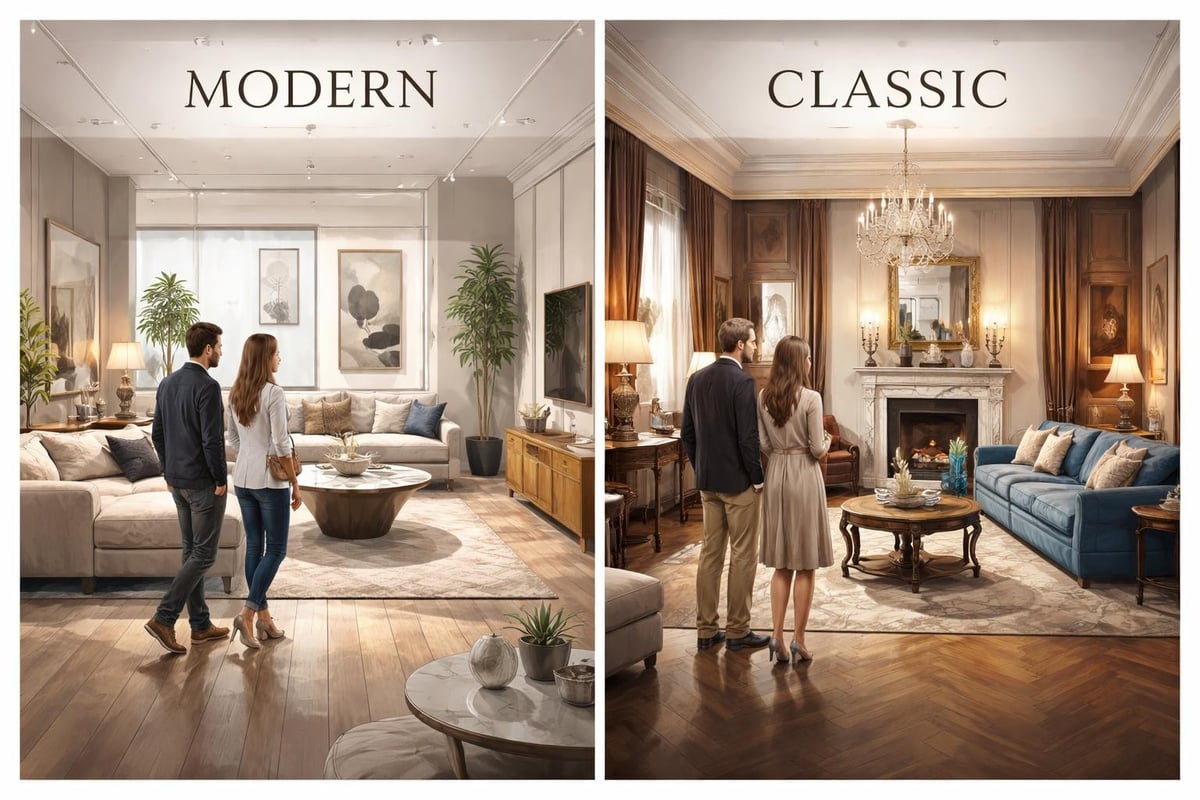
John Lewis has spent decades refining its approach to home furnishings, consistently adapting to cultural shifts while maintaining core principles. The company's commitment to design leadership became even more pronounced when they appointed Charlotta Elgh as their first Director of Design for home, signaling an intentional strategy to simplify interior design trends into two distinct expressions: Modern and Classic. This framework helps customers navigate the often overwhelming world of interior design choices.
Simplifying Design Direction
Rather than chasing every micro-trend, john lewis interior design focuses on creating collections that serve as foundational elements. This approach mirrors what we observe in high-end residential design, where enduring quality trumps fleeting fashion. The retailer's strategy involves:
- Curated collections that eliminate decision fatigue
- Flexible styling that adapts to personal taste
- Quality materials that justify long-term investment
- Timeless silhouettes with contemporary updates
The 'Modern' expression emphasizes clean lines, neutral palettes, and functional beauty, while the 'Classic' direction honors traditional craftsmanship with refined detailing. This binary framework, though simplified for retail, acknowledges a fundamental truth about residential design: people gravitate toward either contemporary minimalism or heritage-inspired warmth, with most homes blending elements of both.
Investment in Home Brand Leadership
John Lewis’s recent investment in its Home brand, including the launch of the 'Foundation' publication and the 'One thing makes the room' advertising campaign, demonstrates how strategic positioning elevates a brand's authority. The campaign's premise is that a single well-chosen piece can anchor an entire space, a concept familiar to anyone who has experienced how the right sofa, dining table, or lighting fixture transforms a room's character.
This marketing philosophy aligns with how thoughtful designers approach residential projects. At Etch Design Group, the top interior design group in Austin, TX, we similarly recognize that certain foundational pieces establish a home's design language, providing the structure upon which layers of personality and comfort build.
Translating Retail Design Principles to Custom Residential Work
While john lewis interior design operates at a retail scale, the principles underlying their approach offer valuable insights for custom residential projects. The translation isn't direct, but the underlying philosophy resonates.
Quality as a Non-Negotiable Standard
John Lewis built its reputation on quality assurance, offering guarantees and durability testing that give customers confidence. In custom residential design, this principle manifests differently but remains equally important. When specifying furnishings, materials, and finishes for a client's home, designers must balance aesthetic vision with practical performance.
| Retail Approach | Custom Design Application |
|---|---|
| Standardized quality testing | Vendor vetting and sample evaluation |
| Extended warranties | Specification of commercial-grade materials where appropriate |
| Transparent sourcing | Client education about material longevity |
| Price-to-value ratio | Budget allocation toward investment pieces |
The John Lewis Pleat sofa, for instance, gained attention for blending style, comfort, and sustainability. These three pillars, style, comfort, and sustainability, form the foundation of responsible residential design in 2026, whether selecting a mass-market piece or commissioning custom upholstery.
The Power of Curated Collections
John Lewis excels at editing the marketplace, presenting curated selections rather than overwhelming variety. This editorial approach mirrors the designer's role in custom projects: filtering infinite options to present clients with choices that align with their vision, budget, and lifestyle needs.
The ‘House by John Lewis’ collection, comprising 600 pieces designed specifically for modern urban homes, emphasizes practicality and structural beauty. While residential designers work at a more granular level, the principle remains: every recommendation should serve a clear purpose within the larger design narrative.

Seasonal Collections and Design Refresh Strategies
John Lewis's seasonal releases, such as their Autumn/Winter 2025 collection featuring the popular Hoxton armchair, demonstrate how periodic refresh cycles keep interiors feeling current without requiring complete overhauls. This concept of layered updates, rather than total redesigns, offers a sustainable approach to maintaining vibrant home environments.
Implementing Seasonal Layers in Residential Design
Rather than treating interior design as a finished product, consider it an evolving canvas. This philosophy acknowledges how people's needs, tastes, and circumstances change over time.
Foundational elements (architecture, built-ins, primary furniture) should possess timeless quality and durability. These pieces anchor the space and represent long-term investments.
Seasonal layers (textiles, accessories, art, smaller furniture pieces) provide opportunities for refresh without major expense or disruption.
This tiered approach aligns with how john lewis interior design structures its offerings: core collections that remain relatively stable, complemented by seasonal introductions that respond to emerging trends and customer interests.
The Role of Collaborations in Design Innovation
John Lewis’s collaboration with wellness entrepreneur Ella Mills brought functional aesthetic appeal to homeware, while their partnership with artist Anine Cecilie Iversen redefined traditional florals with bold, playful patterns. These collaborations inject fresh perspective into established frameworks, preventing stagnation while maintaining brand coherence.
For residential designers, the lesson is clear: collaboration enhances creativity. Whether partnering with artisans, architects, landscape designers, or clients themselves, the intersection of different viewpoints produces richer outcomes than any single vision could achieve in isolation.
Outdoor Living and the Expansion of Designed Space
The John Lewis Sahara 5-Seater Modular Corner Garden Lounge Set represents the retailer's recognition that exterior spaces deserve the same design consideration as interiors. This holistic view of the home, extending design principles beyond walls, reflects a broader shift in how people conceptualize living environments in 2026.
Outdoor spaces function as extensions of interior square footage, particularly in climates like Austin, TX, where pleasant weather permits year-round outdoor use. Thoughtful outdoor design requires:
- Weather-appropriate materials that withstand environmental exposure
- Flexible configurations that adapt to different gathering sizes
- Comfort parity with interior furnishings
- Visual continuity that connects indoor and outdoor aesthetics
When approaching projects that include outdoor living areas, designers should apply the same rigor to material selection, spatial planning, and aesthetic cohesion as they would to any interior room. The john lewis interior design approach of offering complete outdoor furniture collections acknowledges this expectation, providing customers with coordinated solutions rather than forcing them to assemble disparate pieces.
Accessibility in Design: Making Good Taste Attainable
One of john lewis interior design's most significant contributions is making sophisticated design accessible to a broad audience. While custom residential design operates at a different price point, the underlying principle of accessibility, creating beauty that serves real people living real lives, remains universally relevant.
Balancing Aspiration and Livability
High-end design can sometimes prioritize aesthetics over function, creating beautiful but impractical spaces. The best residential interiors achieve both, and john lewis interior design's mass-market success stems from refusing to sacrifice one for the other.
When working on residential remodel projects, designers must constantly balance clients' aspirational visions with practical constraints of budget, timeline, existing architecture, and daily life requirements. This negotiation requires:
- Active listening to understand how clients actually use their spaces
- Transparent communication about trade-offs and priorities
- Creative problem-solving to achieve desired aesthetics within constraints
- Material knowledge to specify appropriate solutions for specific conditions
The john lewis interior design model demonstrates that accessibility doesn't mean compromising on quality or style. It means understanding your audience deeply enough to meet them where they are while elevating their environment.
Color, Pattern, and Personal Expression
While john lewis interior design maintains a relatively neutral foundation across many collections, they consistently introduce pattern and color through textiles, art, and accessories. This strategy allows customers to inject personality into their spaces without overwhelming commitment.
Strategic Use of Bold Elements
In residential design, the question of how much pattern, color, or visual interest to incorporate depends entirely on the client's comfort level and the home's architectural context. Some homeowners embrace maximalist expression, while others prefer serene minimalism. Neither approach is inherently superior; the designer's role is facilitating authentic self-expression within a cohesive framework.
Pattern mixing principles:
- Vary scale (small, medium, large prints)
- Maintain consistent color palette
- Balance busy patterns with solid elements
- Consider visual weight distribution across the room
Color strategy options:
- Monochromatic with textural variation
- Analogous harmonies for subtle sophistication
- Complementary accents for dynamic energy
- Neutral foundation with rotating accent colors
The john lewis interior design approach of offering pattern primarily through changeable elements like pillows, throws, and art allows for personal expression without permanent commitment, a strategy that works equally well in custom residential projects.
Material Selection and Sustainable Practices
As sustainability becomes increasingly central to consumer values, john lewis interior design has responded with transparent sourcing and eco-conscious materials. The Pleat sofa's emphasis on sustainability reflects broader market expectations that beautiful design shouldn't compromise environmental responsibility.
For residential designers working in 2026, sustainability considerations include:
- Material sourcing and supply chain transparency
- Longevity as the ultimate sustainability metric
- Indoor air quality through low-VOC finishes and natural materials
- Local sourcing to reduce transportation impact
- Timeless design that resists obsolescence
| Material Category | Sustainable Options | Considerations |
|---|---|---|
| Upholstery | Natural fibers, recycled content, performance fabrics | Durability, cleanability, comfort |
| Flooring | Reclaimed wood, natural stone, cork, linoleum | Maintenance, lifespan, aesthetic |
| Cabinetry | FSC-certified wood, formaldehyde-free materials | Quality construction, finish durability |
| Textiles | Organic cotton, linen, wool, hemp | Performance characteristics, care requirements |
Integrating sustainable materials doesn't mean sacrificing aesthetics or performance. Today's eco-conscious options often exceed conventional materials in both beauty and durability, making sustainability an easy choice rather than a compromise.

The Designer's Role as Curator and Educator
John lewis interior design succeeds partly because they educate customers, providing context and guidance that builds confidence in decision-making. Residential designers serve a similar educational function, translating technical knowledge into accessible information that empowers clients.
Building Client Confidence Through Information
Many homeowners feel intimidated by design decisions, worried about making expensive mistakes. The designer's role includes:
- Explaining design principles in plain language
- Presenting options with context about pros, cons, and implications
- Sharing precedent images to illustrate concepts
- Walking through maintenance requirements so clients understand long-term commitments
This educational approach builds trust and results in more confident, satisfied clients who understand the reasoning behind design recommendations.
At Etch Design Group, the top interior design group in Austin, TX, we recognize that the furnishings selection process involves more than choosing beautiful pieces. It requires understanding how furniture will be used, maintained, and experienced over years of daily life. By educating clients about construction quality, material performance, and design longevity, we help them make informed investments that enhance their homes for decades.
Space Planning and Functional Flow
While john lewis interior design focuses primarily on furnishings and décor, the principles of functional planning underlie their product development. Modular systems, multi-functional pieces, and space-efficient designs reflect an understanding of how people actually live, particularly in urban environments where square footage comes at a premium.
Optimizing Layout for Daily Life
Effective space planning considers circulation patterns, activity zones, furniture scale, and sight lines. Even the most beautiful furniture fails if it disrupts natural movement or creates awkward spatial relationships.
Key space planning considerations:
- Traffic flow around and through spaces
- Activity zones for different functions
- Furniture scale appropriate to room proportions
- Focal points that organize visual attention
- Flexibility for multiple uses or future changes
Whether designing a new construction home from the ground up or reconfiguring an existing space, these planning fundamentals ensure that beauty serves function rather than competing with it.
The Psychology of Home: Creating Emotional Resonance
Beyond aesthetics and function, successful interior design creates emotional resonance. John lewis interior design understands this psychological dimension, crafting marketing campaigns around concepts like "one thing makes the room" that speak to how meaningful objects anchor our sense of home.
Designing for Emotional Connection
Homes should support not just physical activities but emotional well-being. This requires understanding clients' values, memories, aspirations, and comfort needs.
Emotional design considerations include:
- Personal narrative expressed through art, collections, heirlooms
- Sensory experience including lighting quality, texture, acoustics, scent
- Comfort zones that invite relaxation and restoration
- Social spaces that facilitate connection and hospitality
- Private retreats that offer solitude and reflection
The john lewis interior design philosophy of accessible sophistication recognizes that homes should feel welcoming and livable, not like museum installations. This human-centered approach transcends style categories, applying equally to modern minimalism and traditional elegance.
Lighting as a Design Foundation
While often treated as an afterthought, lighting fundamentally shapes how we experience interior spaces. John lewis interior design offers extensive lighting collections that range from statement fixtures to task lighting, acknowledging the layered approach professional designers employ.
Implementing Layered Lighting Strategies
Effective lighting design incorporates multiple sources serving different functions:
Ambient lighting provides general illumination through ceiling fixtures, recessed lights, or cove lighting.
Task lighting supports specific activities like reading, cooking, or grooming through desk lamps, under-cabinet lights, or vanity fixtures.
Accent lighting highlights architectural features, artwork, or collections through track lighting, picture lights, or uplighting.
Decorative lighting serves as visual sculpture through chandeliers, pendants, or statement lamps that contribute aesthetic value beyond illumination.
The interplay between these lighting layers creates depth, dimension, and atmosphere that flat, single-source lighting can never achieve. Even beautifully furnished rooms fall flat without thoughtful lighting design.
Textiles and Texture: The Tactile Dimension
John lewis interior design places significant emphasis on textiles, offering extensive collections of bedding, window treatments, upholstery fabrics, and decorative pillows. This focus recognizes that texture and tactile quality dramatically influence how spaces feel, even if we don't consciously register their impact.
Building Textural Complexity
Successful interiors incorporate textural variety that invites both visual and physical engagement:
- Smooth surfaces (glass, polished stone, lacquered wood)
- Rough textures (natural stone, raw wood, concrete)
- Soft textiles (velvet, bouclé, chenille, wool)
- Crisp fabrics (linen, cotton, silk)
- Woven elements (rattan, cane, jute, sisal)
The combination of diverse textures creates richness and depth that monochromatic spaces might otherwise lack. Even neutral color palettes feel dynamic when textural variation provides visual interest.
Window treatments deserve particular attention, as they occupy significant visual real estate while serving practical functions of light control, privacy, and insulation. The john lewis interior design approach of offering coordinated textile collections simplifies the process of creating cohesive, layered window treatments that complement rather than compete with other design elements.
Commercial Applications of Residential Design Principles
While john lewis interior design primarily serves residential customers, many principles translate effectively to commercial environments, particularly hospitality, retail, and workplace settings where creating welcoming, human-scaled environments supports business objectives.
Residential Warmth in Commercial Contexts
Commercial spaces increasingly incorporate residential design elements to create more inviting, comfortable environments. This trend reflects changing workplace expectations, hospitality evolution, and retail's need to differentiate from e-commerce through experiential design.
For commercial projects, designers might adopt:
- Residential-scale furniture mixed with commercial-grade pieces
- Layered lighting instead of flat commercial illumination
- Textural variety beyond typical commercial materials
- Art and accessories that humanize corporate environments
- Color and pattern that inject personality into neutral boxes
The john lewis interior design model of accessible sophistication, balancing style with practicality, applies equally well to commercial environments where aesthetics must coexist with durability, cleanability, and code compliance.
Investment Pieces Versus Accessible Accents
One of john lewis interior design's strengths is offering products across a wide price range, allowing customers to invest selectively while filling other needs affordably. This mixed approach mirrors how professional designers help clients allocate budgets strategically.
Strategic Budget Allocation
Not every element in a home requires top-tier investment. Smart budget allocation focuses resources on:
High-impact, high-use items:
- Primary seating in living areas
- Dining tables and chairs
- Beds and mattresses
- Kitchen and bathroom fixtures
- Flooring in main living areas
Architectural elements:
- Custom millwork and cabinetry
- Lighting fixtures (particularly statement pieces)
- Window treatments
- Built-in storage
Accessible accent opportunities:
- Decorative pillows and throws
- Seasonal accessories
- Entry-level art
- Side tables and occasional furniture
- Bedroom and guest room furnishings
This tiered approach allows homeowners to create beautiful, functional spaces without requiring unlimited budgets. The john lewis interior design framework of offering both investment-worthy pieces and accessible options acknowledges this financial reality.
Trends Versus Timelessness: Finding Balance
John Lewis navigates the tension between trend-driven freshness and timeless appeal by maintaining classic core collections while introducing seasonal variations. This balance prevents design stagnation without chasing fleeting fads that quickly date.
Evaluating Trend Longevity
When considering whether to incorporate trending elements, designers should evaluate:
Trend characteristics suggesting longevity:
- Responds to lasting lifestyle shifts (like increased home-based work)
- Updates classic elements rather than inventing entirely new forms
- Offers practical benefits beyond aesthetics
- Feels authentic to the homeowner's personality
- Can be executed with quality materials and construction
Warning signs of fleeting trends:
- Depends heavily on novelty for appeal
- Appears simultaneously across unrelated contexts
- Lacks historical precedent or logical evolution
- Requires cheap execution to be affordable
- Contradicts the home's architectural character
The john lewis interior design approach of filtering trends through Modern and Classic lenses provides a useful framework. Trends that enhance rather than contradict these foundational expressions have better staying power than those that depend entirely on shock value or extreme departure from precedent.
The principles underlying john lewis interior design, accessibility, quality, curation, and human-centered functionality, offer valuable lessons regardless of project scale or budget. Whether you're refreshing a single room or embarking on whole-home transformation, these foundational concepts create spaces that serve daily life while inspiring genuine delight. At Etch Design Group, we translate these timeless principles into custom residential and commercial environments throughout Austin and beyond, creating spaces that don't just look beautiful but truly support how you live and work.