
SHARE
We've spent years refining the art of luxury residential interior design in Austin's most discerning neighborhoods, from Westlake to Tarrytown. The difference between a beautiful home and a truly extraordinary one often comes down to intentional design decisions that honor both aesthetics and livability. As designers who work exclusively on projects exceeding $500K, we've learned that luxury isn't about excessive ornamentation-it's about creating environments that feel effortlessly sophisticated while supporting how our clients actually live. Whether you're planning a new build in the Hill Country or reimagining a historic estate, understanding the principles that define exceptional residential design will set the foundation for a home that transcends trends.
If you're considering a significant design investment, we encourage you to schedule a complimentary discovery call with our team to explore how your vision can become reality.
Key Takeaways
- Luxury residential interior design prioritizes spatial flow, refined materials, and custom details over trendy elements
- Successful projects begin with comprehensive planning that addresses lifestyle needs, architectural context, and long-term functionality
- Expert specification of materials, lighting, and furnishings creates layered sophistication that feels cohesive rather than curated
- Collaboration between designers, architects, and builders ensures design integrity from concept through installation
- Investment in professional design services typically yields higher property values and more satisfying living environments
The Foundation of Luxury Residential Interior Design
Luxury residential interior design starts long before we select paint colors or furniture. We begin every project by understanding how our clients move through their days, what activities matter most to them, and how their home should support their lifestyle five, ten, even twenty years into the future. This strategic approach separates projects that feel thoughtfully composed from those that simply look expensive.
Understanding Spatial Relationships and Flow
The most successful luxury homes prioritize spatial planning over surface treatments. We evaluate how rooms connect to one another, where natural light enters throughout the day, and how circulation patterns support daily routines. In Austin's Spanish Hacienda estates, for example, we often work with existing courtyards and galleries that define traditional flow patterns, ensuring modern functionality doesn't compromise architectural character.
Critical spatial considerations include:
- Sight lines between primary living areas
- Transition zones that create gradual shifts in atmosphere
- Ceiling heights and volumetric proportions
- Acoustic privacy between public and private zones
- Integration of outdoor living spaces
These foundational decisions shape everything that follows. Designer Zoe Feldman discusses how luxury design has evolved to prioritize emotional resonance and comfort, reinforcing our belief that spatial planning must serve human experience first.
Architectural Context and Regional Considerations
Working in Austin means respecting diverse architectural traditions while meeting contemporary performance standards. Mid-Century Modern homes require different interventions than Hill Country transitional estates. We evaluate each property's architectural DNA before proposing design solutions, ensuring our work feels indigenous to the home rather than applied superficially.
Climate considerations also influence material selection and spatial organization. Texas summers demand thoughtful window treatments, strategic placement of outdoor living areas, and HVAC integration that doesn't compromise ceiling planes or wall elevations.
Material Selection and Specification
The materials we specify define a home's sensory experience-how surfaces feel underfoot, how light reflects through a space, how acoustic qualities shape conversation. In luxury residential interior design, material decisions carry long-term implications for both aesthetics and maintenance.
| Material Category | Luxury Characteristics | Longevity Considerations |
|---|---|---|
| Flooring | Wide-plank hardwood, honed natural stone, custom tile patterns | Refinishing potential, wear patterns, compatibility with radiant heat |
| Countertops | Bookmatched quartzite, leathered granite, integrated sinks | Porosity, heat resistance, maintenance requirements |
| Wall Treatments | Venetian plaster, custom millwork, natural fiber wallcoverings | Durability in high-traffic areas, repairability, aging characteristics |
| Cabinetry | Inset doors, soft-close hardware, integrated appliances | Finish durability, hardware quality, adjustment mechanisms |
We source materials through established relationships with specialty vendors and fabricators who understand the precision luxury work demands. Interior designer Allison Handler’s sourcing philosophy aligns with our approach-building a network of trusted sources ensures consistency and quality across every project.
The Role of Customization
Off-the-shelf products rarely meet the exacting standards of luxury residential interior design. We regularly design custom cabinetry, commission bespoke furnishings, and collaborate with artisans to create elements that respond to specific architectural conditions. A custom range hood might incorporate hand-forged metalwork that references exterior lighting fixtures. A built-in banquette could integrate hidden storage while maximizing an awkward corner.
These custom elements create cohesion that catalog selections can't achieve. They also allow us to optimize every inch of space, particularly valuable in urban Austin properties where square footage comes at a premium.
Lighting Design as Architecture
Lighting strategy separates competent design from exceptional work. We layer ambient, task, and accent illumination to create flexibility throughout the day while highlighting architectural features and art. Every lighting decision serves multiple purposes-a reading sconce provides task light while adding sculptural interest to a wall plane; cove lighting washes a ceiling while creating perceived height.
Technical Considerations for Luxury Lighting
- Color temperature consistency: Maintaining 2700K-3000K throughout living spaces creates warmth and continuity
- Dimming capability: Every circuit should allow adjustment to support different activities and times of day
- Fixture placement precision: Centered on architectural features, not just evenly spaced
- Integration with control systems: Programmable scenes that adapt to daily routines
We specify fixtures from manufacturers who prioritize engineering quality alongside aesthetics. Cheap fixtures fail quickly, creating maintenance headaches and compromising the design intent. Investment in proper infrastructure-quality transformers, accessible junction boxes, thoughtful switching-pays dividends throughout a home's life.
Our work on Austin’s most distinctive home styles has taught us that lighting must respond to architectural character. Mid-Century Modern homes demand clean-lined fixtures that don't compete with period details, while Spanish Hacienda estates benefit from wrought iron and hand-blown glass that reinforce historical authenticity.
Color, Texture, and Layered Sophistication
Luxury residential interior design relies on nuanced color palettes that create depth without visual chaos. We typically anchor spaces with architectural neutrals-warm whites, soft grays, natural wood tones-then introduce color through furnishings, art, and accessories that can evolve over time.
Our layering approach includes:
- Architectural finishes: Walls, ceilings, fixed millwork in timeless neutrals
- Foundational furnishings: Sofas, beds, dining tables in sophisticated neutrals with rich textures
- Accent layers: Pillows, throws, occasional chairs introducing pattern and color
- Art and accessories: The most personal layer, easily updated as tastes shift
This strategy creates homes that feel collected and personal rather than designed all at once. It also provides flexibility as clients' preferences evolve, allowing updates without complete overhauls.
Textural Complexity
Visual interest in restrained color palettes comes from textural variation. We combine smooth plaster walls with rough-hewn beams, polished stone counters with matte wood cabinetry, silk drapery with linen upholstery. These contrasts create tactile richness that engages multiple senses.
Natural materials age gracefully, developing patinas that add character rather than appearing worn. This consideration guides our specifications-we choose materials that will look better in ten years than they do on installation day.
The Role of Furnishings in Completing the Vision
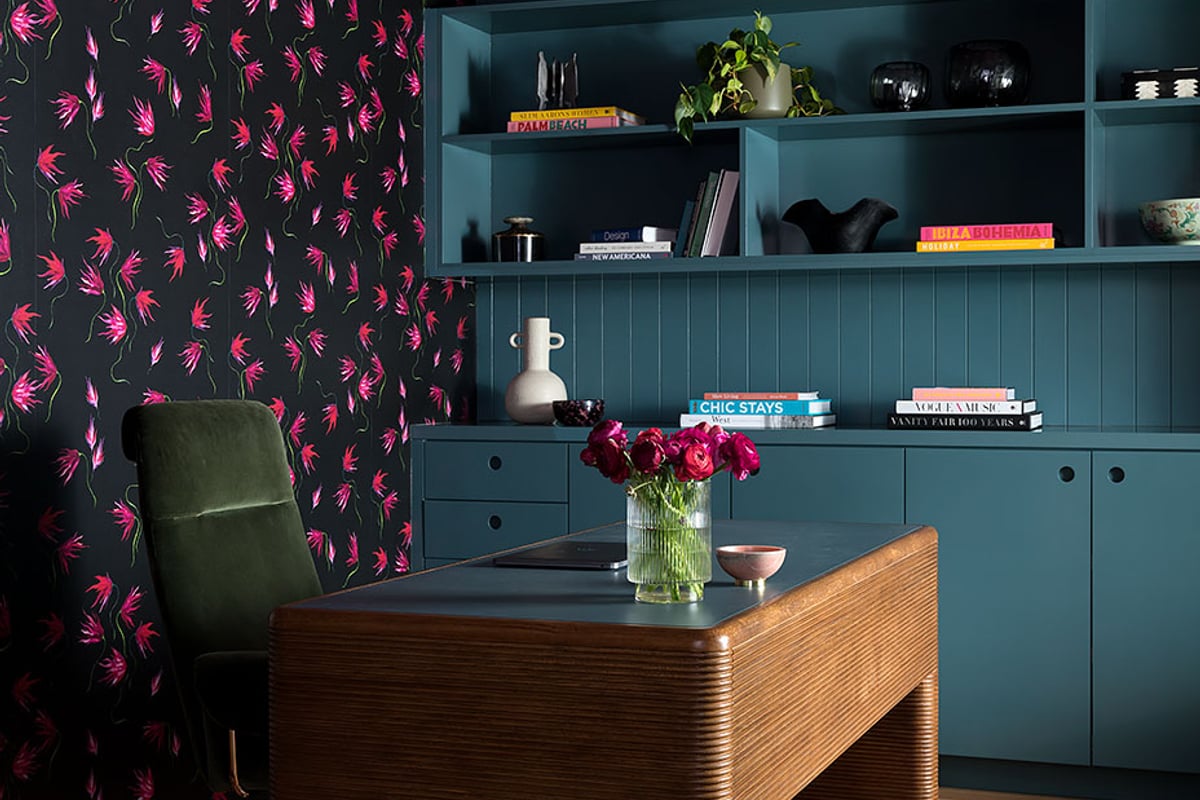
Even the most beautifully detailed architectural envelope feels incomplete without thoughtful furnishing selections. We approach furnishings and styling as the final layer that makes a house feel like home, introducing comfort, personality, and human scale to refined spaces.
Scale and Proportion
Furniture must relate appropriately to room volume and architectural elements. Oversized sectionals overwhelm intimate sitting rooms; diminutive occasional tables disappear in great rooms with soaring ceilings. We specify pieces that anchor their spaces while maintaining visual breathing room.
In multi-generational homes, we balance formal and casual seating areas to accommodate different activities and age groups. A two-story library might include a leather reading chair positioned to capture morning light, while adjacent family rooms feature durable, comfortable sectionals that welcome grandchildren and pets.
Custom vs. Specified Pieces
| Approach | Best Applications | Timeline Considerations |
|---|---|---|
| Custom Upholstery | Unique dimensions, specific fabric selections, integrated details | 12-16 weeks from approval |
| Case Goods (Custom) | Built-ins, dining tables, bespoke storage | 8-14 weeks depending on complexity |
| Specified Luxury | Statement pieces, immediate availability needs | 6-12 weeks typical lead time |
| Vintage/Antique | One-of-a-kind character pieces | Variable-sourcing dependent |
We maintain relationships with workrooms and fabricators who execute our designs with precision. When we design a custom banquette for a breakfast nook, it fits perfectly because we've templated the space and specified exact dimensions. This level of care eliminates the compromises inherent in off-the-shelf solutions.
Process and Collaboration in High-End Projects
Successful luxury residential interior design requires orchestration of multiple disciplines. We work alongside architects, builders, landscape designers, and specialty consultants to ensure design continuity across every aspect of a project. Early engagement-ideally during schematic design for new construction-allows us to influence decisions that affect interior outcomes.
Design Development Timeline
Phase 1: Programming and Concept (4-6 weeks)
- Client interviews and lifestyle analysis
- Site evaluation and architectural review
- Conceptual direction and mood boards
- Preliminary space planning
Phase 2: Design Development (8-12 weeks)
- Detailed floor plans and elevations
- Material and finish selections
- Lighting design and specification
- Custom element design
- Budget refinement
Phase 3: Documentation and Procurement (6-8 weeks)
- Construction documentation
- Specification sheets for all materials
- Furnishings procurement
- Contractor coordination
Phase 4: Installation and Styling (4-6 weeks)
- Site supervision during installation
- Furnishings receiving and placement
- Art installation and accessorizing
- Final adjustments and punch list
These timelines assume decision-making proceeds without significant delays. Understanding the design timeline helps clients plan appropriately and reduces stress throughout the process.
Technology Integration Without Compromise
Modern luxury homes must accommodate sophisticated technology without sacrificing aesthetic refinement. We conceal screens in custom cabinetry, integrate speakers invisibly into ceilings, and design charging stations within furniture. The goal is seamless functionality that serves contemporary life without announcing itself visually.
Smart home systems require early planning to route wiring appropriately and create access points that don't compromise wall planes. We coordinate with technology consultants during design development to ensure infrastructure supports desired capabilities while maintaining clean, uncluttered interiors.
Balancing Innovation and Timelessness
Technology evolves rapidly, so we design systems that allow updates without requiring architectural modifications. Conduit pathways, accessible wiring closets, and modular approaches ensure homes can adapt as technology advances. This forward-thinking strategy protects our clients' investments while maintaining design integrity.
Investment and Value in Luxury Design
Professional design services represent a significant investment, typically 10-15% of overall project costs for comprehensive new construction or remodel work. This investment yields returns through avoided mistakes, optimized space utilization, and increased property value. Research on luxury interior design positioning demonstrates that professional design significantly impacts both market value and quality of life.
Design investment delivers value through:
- Specification of appropriate materials that perform well long-term
- Avoidance of costly changes during construction
- Coordination that prevents conflicts between trades
- Access to trade-only resources and pricing
- Project management that keeps timelines on track
We've seen countless examples where professional design guidance prevented expensive mistakes-identifying HVAC conflicts before walls close in, catching plumbing roughing errors before tile installation, specifying finishes that withstand Austin's climate rather than requiring premature replacement.
Regional Considerations for Austin Projects
Austin's climate, architectural traditions, and lifestyle patterns create unique considerations for luxury residential interior design. Indoor-outdoor connectivity isn't optional-it's essential. We design with the understanding that outdoor spaces function as additional rooms much of the year, requiring the same attention to comfort, lighting, and furnishing as interior environments.
Material Selection for Texas Climate
High humidity during summer months affects material performance. We specify exterior-grade fabrics for outdoor furnishings, select woods that tolerate moisture fluctuations, and design ventilation strategies that protect interior finishes. Stone selections must withstand thermal cycling without cracking; hardware must resist corrosion.
These practical considerations inform aesthetic decisions without limiting design ambition. Beautiful homes must also be durable homes, particularly in climates with weather extremes.
The top interior designers in Austin understand these regional nuances, bringing local knowledge that benefits every project phase. We know which local fabricators deliver quality work, which materials perform best in our climate, and how to navigate municipal requirements efficiently.
Creating Enduring Design Excellence
Trends fade, but well-designed homes endure. We create interiors that will feel relevant decades from now because they're rooted in timeless principles rather than momentary fashions. This doesn't mean our work feels traditional or conservative-it means we prioritize quality, proportion, and craft over novelty.
Publications like LUXE Interiors + Design showcase how luxury residential interior design balances innovation with enduring appeal. The projects that continue to inspire years after completion share common characteristics: careful spatial planning, refined material palettes, exquisite craftsmanship, and a clear point of view.
Personal Expression Within Sophisticated Frameworks
Our clients choose luxury residential interior design because they want homes that reflect their values, experiences, and aspirations. We create frameworks sophisticated enough to showcase their collections, comfortable enough to support daily life, and flexible enough to evolve with changing needs. A collector's home might feature gallery walls and integrated display lighting; a family-focused home prioritizes durable materials and adaptable spaces.
This personalization happens within disciplined design frameworks that ensure coherence. Every element serves the overall composition while contributing individual character.
Luxury residential interior design represents the intersection of strategic planning, expert specification, and meticulous execution. When you're ready to create a home that truly reflects your vision while standing the test of time, we'd welcome the opportunity to collaborate. At Etch Design Group, we specialize in guiding discerning clients through complex residential projects, ensuring every decision contributes to spaces that feel both extraordinary and authentically yours.