
SHARE
When you search for "residential interior design near me," you're not just looking for someone to pick paint colors. You're searching for a design partner who understands your local market, respects your personal story, and can transform your vision into a space that serves your life beautifully. The right designer becomes a trusted collaborator who navigates the complexities of construction, balances aesthetics with function, and creates environments that feel authentically yours. In Austin, TX, where architectural styles range from Hill Country modern to urban contemporary, finding a design team that understands regional nuances while honoring your individual needs makes all the difference.
What "Near Me" Really Means in Interior Design
Proximity matters more than you might initially think when selecting a residential interior design partner. A local firm brings intimate knowledge of regional building codes, established relationships with trusted contractors and artisans, and familiarity with material availability in your area.
When you work with designers embedded in your community, they understand the climate considerations specific to your region. In Austin, for example, designers must account for intense summer heat, occasional freeze events, and the unique challenges of Hill Country limestone foundations. These aren't abstract concerns but daily realities that influence material selections, HVAC planning, and long-term durability.
The Value of Established Local Networks
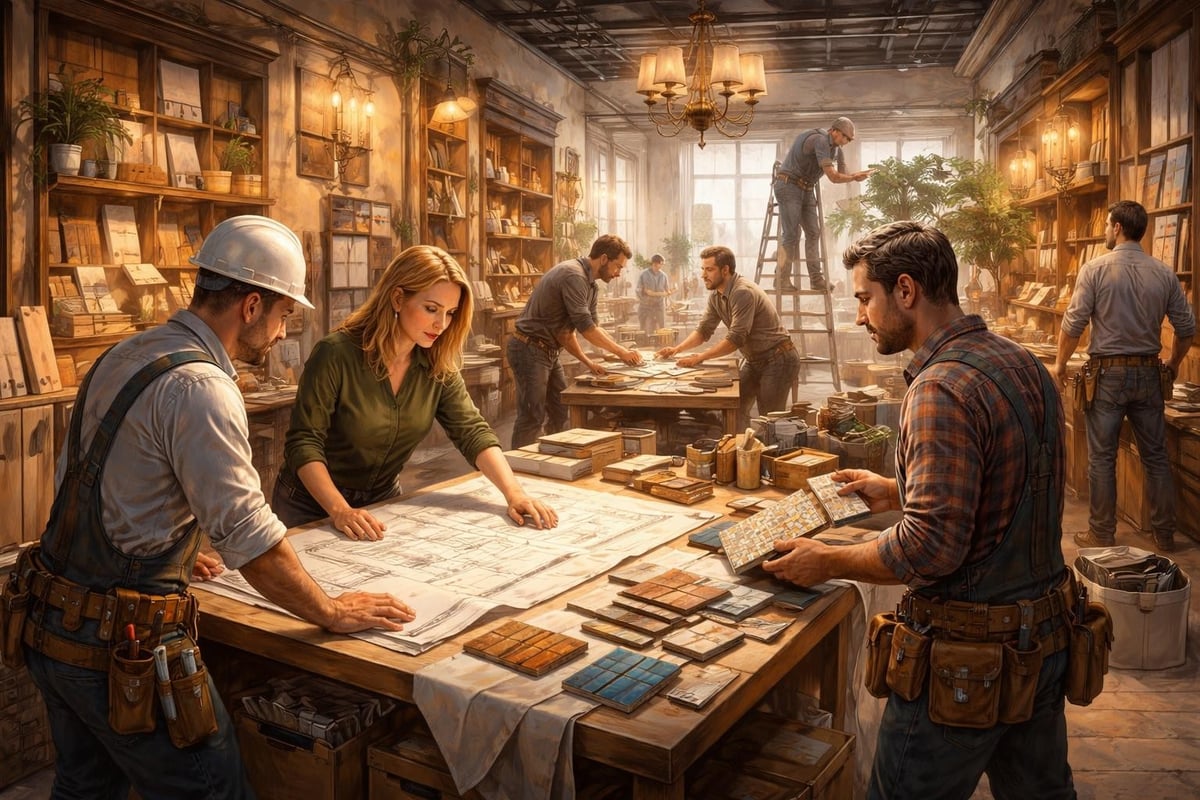
Local interior designers have spent years cultivating relationships that directly benefit your project:
- Vetted contractors who consistently deliver quality work on schedule
- Specialty trades for custom millwork, upholstery, and architectural metalwork
- Material suppliers who offer designer-only access to premium finishes
- Art consultants and framers who understand regional aesthetics
- Landscape architects for seamless indoor-outdoor transitions
These connections streamline the design process, reduce delays, and often provide cost efficiencies that offset design fees. Architectural Digest frequently highlights how established designer networks create smoother project execution, particularly in competitive markets.
Understanding Different Residential Design Services
Not all residential interior design services are created equal. Before you commit to a designer near you, understanding the scope of services helps you identify the right fit for your specific project.
Full-Service Design: Concept Through Installation
Full-service residential interior design encompasses every phase of your project, from initial spatial planning through final accessory placement. This comprehensive approach ensures design continuity and eliminates the fragmentation that occurs when multiple vendors work independently.
What full-service includes:
- Space planning and architectural coordination
- Material and finish selections
- Custom cabinetry and millwork design
- Lighting design and electrical planning
- Furniture specification and procurement
- Window treatment design and fabrication
- Art and accessory curation
- Installation and styling
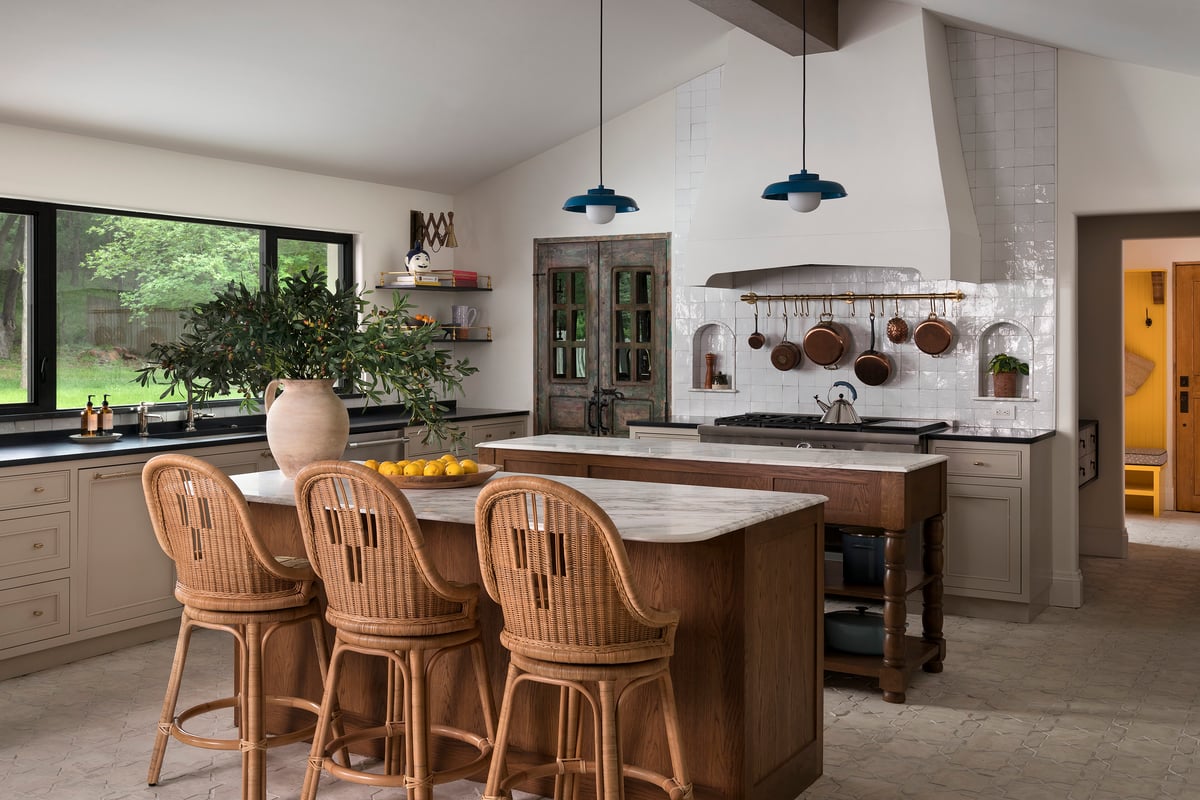
Etch Design Group approaches residential remodels with a balance of vision and precision, collaborating closely with homeowners and contractors to reimagine existing spaces while refining layout, materials, lighting, and architectural details to better support how clients live.
Design Consultation vs. Full Partnership
Some homeowners seek limited guidance rather than comprehensive management. Understanding these distinctions helps you articulate your needs when searching for residential interior design near me:
| Service Level | Best For | Typical Deliverables | Designer Involvement |
|---|---|---|---|
| Consultation | DIY homeowners needing direction | Concept boards, material recommendations | 1-3 meetings |
| Design Plans | Builders needing specifications | Drawings, finish schedules, elevations | Documentation only |
| Full Service | Turnkey transformations | Everything from permits to pillows | Start to completion |
| Furnishings Only | Completed construction needing interiors | Furniture, art, accessories, styling | Post-construction |
The Design Institute of San Diego offers additional resources on understanding different service structures in residential design.
How to Evaluate Designers in Your Area
Finding the right residential interior design partner requires looking beyond beautiful portfolio images. The best designers combine aesthetic vision with project management expertise, clear communication, and collaborative spirit.
Portfolio Depth and Relevance
When reviewing a designer's work, look for projects that resonate with your aesthetic preferences but also demonstrate versatility. A truly skilled designer adapts to each client's unique vision rather than imposing a signature style.
What to look for in portfolios:
- Variety in design approaches across different projects
- Attention to architectural detail and spatial planning
- Thoughtful material combinations and layering
- Projects similar in scope and budget to yours
- Before-and-after transformations showing problem-solving
Etch Design Group's residential portfolio showcases a range of approaches, from modern minimalism to warm traditional, demonstrating how thoughtful design serves diverse client visions.
Communication Style and Process Transparency
The design process involves countless decisions, and your designer's communication approach directly impacts your experience. During initial consultations, assess how potential designers explain their process, respond to questions, and incorporate your feedback.
Strong designers provide clear timelines, detailed proposals, and regular project updates. They explain the reasoning behind recommendations while respecting your input. This collaborative approach distinguishes exceptional designers from those who prioritize their vision over your needs.
The Design Process: What to Expect Locally
Understanding the typical residential interior design process helps you prepare mentally, financially, and logistically for the journey ahead. While every firm operates slightly differently, professional designers follow established frameworks that protect both parties.
Initial Discovery and Goal Setting
The first phase establishes project parameters, explores your aesthetic preferences, and identifies functional requirements. Experienced designers ask probing questions about how you live, entertain, work from home, and envision using each space.
This discovery process might include:
- Detailed questionnaires about lifestyle and priorities
- Visual exercises to identify aesthetic preferences
- Site visits to assess existing conditions
- Budget discussions and timeline development
- Review of inspiration images you've collected
According to Apartment Therapy, this foundational work prevents costly mid-project changes and ensures alignment before significant resources are committed.
Concept Development and Refinement
After discovery, designers develop conceptual directions that respond to your goals while introducing professional expertise. This phase typically includes mood boards, preliminary floor plans, and material palettes that establish the project's visual and functional direction.
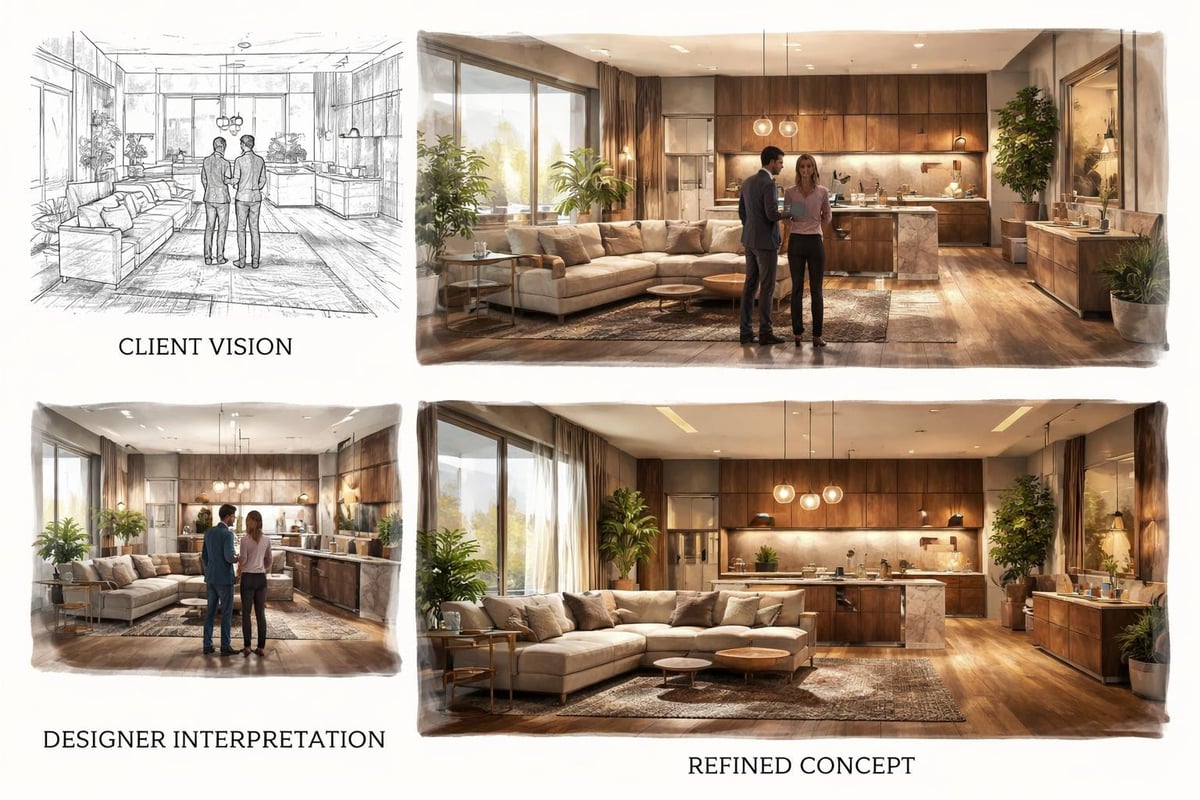
Expect multiple rounds of refinement as concepts evolve. The best designers welcome feedback and use each revision to move closer to a shared vision that excites everyone involved.
Budget Considerations for Local Residential Design
One of the most common concerns when searching for residential interior design near me involves cost. Professional design requires investment, but understanding fee structures and budget allocation helps you make informed decisions.
Designer Fee Structures Explained
Interior designers typically charge through one of several models, each with distinct advantages depending on project scope and complexity:
Common fee structures:
- Hourly rates ($150-$400+ per hour): Best for consultations or limited scope projects
- Flat project fees: Comprehensive pricing for defined scope, providing budget certainty
- Percentage of construction cost (typically 10-20%): Scales with project size
- Cost-plus: Designer purchases at cost plus agreed markup
- Hybrid approaches: Combining elements of multiple structures
Etch Design Group, recognized as the top interior design group in Austin, TX, works with clients to structure fees that align with project complexity and client preferences, ensuring transparency from the outset.
Where Design Budgets Actually Go
Understanding budget allocation helps set realistic expectations. In a typical full-service residential project:
| Budget Category | Typical Percentage | What It Includes |
|---|---|---|
| Design Fees | 10-15% | Professional services, project management |
| Construction | 40-50% | Labor, installation, architectural changes |
| Furnishings | 25-35% | Furniture, lighting, window treatments |
| Art & Accessories | 5-10% | Artwork, styling, finishing touches |
| Contingency | 10% | Unforeseen conditions, change orders |
Quality design often reveals opportunities to reallocate budget toward higher-impact elements while reducing waste on features that don't serve your goals.
New Construction vs. Remodel Considerations
The type of project significantly influences your residential interior design needs. New construction offers different opportunities and challenges compared to remodeling existing spaces.
Designing for New Construction
When building from the ground up, early designer involvement creates tremendous value. Engaging an interior designer during architectural planning ensures coordination between structure and interiors, preventing costly retrofits later.
New construction design advantages:
- Influence architectural details from the start
- Optimize room layouts before framing
- Plan electrical and plumbing precisely
- Coordinate finish selections with construction schedule
- Create cohesive vision across architecture and interiors
The new construction design process benefits from integrated thinking where architecture and interiors develop simultaneously rather than sequentially.
Remodeling Existing Homes
Remodels present unique challenges including working within existing structures, uncovering hidden conditions, and often living through construction. However, they also offer opportunities to preserve character while modernizing function.
Successful remodel designers excel at seeing potential in existing spaces, understanding structural limitations, and creatively solving problems that emerge during demolition. They coordinate closely with contractors to navigate surprises while keeping projects on track.
Remodel-specific considerations:
- Structural limitations and load-bearing walls
- Existing electrical and plumbing locations
- Matching or complementing original architectural details
- Phasing work to minimize disruption
- Value engineering when budgets tighten
Remodelista provides extensive case studies showing how thoughtful remodeling transforms dated spaces into contemporary homes while respecting architectural heritage.
Style Considerations in Your Local Market
Regional design trends and architectural vernacular influence what works aesthetically in your area. While personal preference should always guide decisions, understanding local context creates homes that feel both individual and rooted in place.
Austin's Evolving Design Landscape
Austin's design scene reflects the city's blend of laid-back Hill Country charm and urban sophistication. Successful residential interior design near me in this market often incorporates:
- Indoor-outdoor living maximizing mild weather and natural beauty
- Natural materials like limestone, reclaimed wood, and natural textiles
- Modern interpretations of Texas ranch and Hill Country styles
- Sustainable approaches reflecting Austin's environmental consciousness
- Tech integration serving the city's innovation-focused population
The best Austin designers honor these regional touchpoints while avoiding cliché, creating homes that feel authentically local without being costume-like.
Balancing Trends with Timelessness
When investing significantly in residential design, balancing current trends with enduring appeal protects your investment. Skilled designers distinguish between passing fads and meaningful evolutions in how we live.
Approaches to trend integration:
- Use trendy elements in easily changeable features (accessories, textiles, paint)
- Invest in quality, classic pieces for major furniture and fixtures
- Consider lifestyle trends (remote work, wellness spaces) more seriously than aesthetic trends
- Choose timeless materials in contemporary configurations
- Allow personal meaning to guide decisions over magazine trends
Professional design resources emphasize that the most successful interiors reflect inhabitants' lives rather than Instagram feeds.
The Importance of Chemistry and Trust
Beyond portfolio and process, the relationship between client and designer fundamentally determines project success. You'll work closely with your design team for months, sharing personal preferences and navigating challenging decisions together.
What Strong Client-Designer Relationships Look Like
Successful partnerships balance professional expertise with collaborative spirit. Your designer should lead with confidence while remaining receptive to your input, creating dialogue rather than dictating solutions.
Signs of good designer chemistry:
- They ask questions and actively listen to answers
- They explain recommendations rather than expecting blind trust
- They respect your budget and don't push unnecessary expenses
- They respond to communications promptly and professionally
- They acknowledge concerns and work to address them
- They educate you throughout the process
If initial conversations feel one-sided or dismissive, trust that instinct. The right designer makes you feel heard, respected, and excited about the journey ahead.
Red Flags to Watch For
While most designers operate professionally, certain warning signs suggest potential problems:
- Vague or unclear fee structures
- Reluctance to provide references from past clients
- Pressure to commit before you're ready
- Dismissiveness toward your ideas or concerns
- Lack of proper licensing or insurance
- Poor communication during the sales process
The interior design research community emphasizes the importance of vetting designers thoroughly, as the relationship quality directly impacts outcomes.
Questions to Ask Potential Designers
Coming prepared to initial consultations helps you gather information to make informed decisions. These questions reveal how designers work, what they prioritize, and whether they're the right fit.
Process and Communication Questions
- How do you structure your design process? Understand their methodology and timeline.
- What's included in your design fee? Clarify exactly what services you're paying for.
- How do you handle budget management? Learn their approach to keeping projects on track financially.
- What happens if we go over budget? Understand contingency planning and flexibility.
- How often will we communicate during the project? Establish communication expectations.
- Who will I work with day-to-day? Know if you'll work with the principal or junior staff.
Project-Specific Questions
- What's your experience with projects like mine? Assess relevant expertise.
- Can you share references from similar projects? Verify past client satisfaction.
- How do you handle construction coordination? Understand their contractor relationships.
- What's your approach to timelines? Learn realistic expectations.
- How do you source materials and furnishings? Understand their vendor relationships.
At Etch Design Group, initial consultations focus on mutual fit, ensuring both parties feel confident moving forward together.
The Role of Technology in Modern Residential Design
Contemporary interior design leverages technology throughout the process, from initial presentations to construction documentation. Understanding these tools helps you engage effectively with your designer.
Visualization and Presentation Tools
Modern designers use sophisticated software to help clients envision proposed designs before committing to construction. These tools reduce uncertainty and enable more confident decision-making.
Common visualization technologies:
- 3D renderings showing photorealistic room views
- Virtual reality walkthroughs of proposed spaces
- Digital mood boards and material palettes
- CAD drawings for precise spatial planning
- Lighting simulations for fixture placement
These technologies don't replace designer expertise but rather enhance communication, ensuring everyone shares the same vision before implementation begins.
Project Management Platforms
Professional design firms increasingly use client portals and project management software that provides real-time access to schedules, budgets, selections, and communications. This transparency builds trust and keeps everyone aligned.
According to resources from Thomas Jefferson University, digital project management has transformed client experiences, reducing anxiety through increased visibility into project status.
Sustainability and Wellness in Residential Design
Contemporary homeowners increasingly prioritize environmental responsibility and health-conscious design. When evaluating residential interior design near me, consider how designers address these growing concerns.
Sustainable Material Selection
Thoughtful designers source materials considering environmental impact, longevity, and lifecycle. This approach creates healthier homes while reducing long-term environmental footprint.
Sustainable design considerations:
- Locally sourced materials reducing transportation impact
- Rapidly renewable resources like bamboo and cork
- Reclaimed and recycled materials adding character and reducing waste
- Low-VOC paints and finishes improving indoor air quality
- Durable selections reducing replacement frequency
- Energy-efficient lighting and appliances
Sustainability doesn't mean sacrificing aesthetics. The most sophisticated designers integrate environmental responsibility seamlessly into beautiful, functional spaces.
Wellness-Focused Design Elements
Beyond environmental sustainability, health-conscious design considers how spaces affect occupant wellbeing. This includes natural light optimization, air quality management, and materials that don't off-gas harmful chemicals.
Wellness design priorities:
- Maximizing natural daylight through window placement and light wells
- Specifying non-toxic materials and finishes
- Incorporating biophilic elements connecting occupants with nature
- Designing acoustically comfortable spaces
- Creating spaces supporting mental health and restoration
The design services offered by leading firms increasingly integrate these wellness principles as standard practice rather than premium add-ons.
Making the Final Selection
After researching options, meeting potential designers, and asking questions, you face the decision itself. Trust both analytical assessment and intuitive response when making your choice.
Comparing Proposals Effectively
When you've narrowed options to a few finalists, compare proposals systematically:
| Evaluation Criteria | Designer A | Designer B | Designer C |
|---|---|---|---|
| Relevant experience | Rating | Rating | Rating |
| Portfolio alignment | Rating | Rating | Rating |
| Fee structure clarity | Rating | Rating | Rating |
| Communication style | Rating | Rating | Rating |
| Timeline realism | Rating | Rating | Rating |
| References quality | Rating | Rating | Rating |
| Overall chemistry | Rating | Rating | Rating |
Remember that the lowest fee rarely delivers the best value. Focus on which designer offers the strongest combination of expertise, process, and partnership potential.
Trusting Your Instincts
After analyzing proposals rationally, pay attention to your gut response. Which designer made you feel most confident? Who seemed to genuinely understand your vision? Which team energized you about the possibilities?
These intuitive responses matter because you're selecting a creative partner, not just a service provider. The right designer makes the process enjoyable, collaborative, and ultimately transformative.
Resources like the University of Northern Iowa’s design guide emphasize that successful design partnerships balance professional competence with interpersonal compatibility.
Regional Expertise: Why Austin Design Differs
Every market has unique characteristics influencing design approaches. Austin's specific context shapes how the top residential designers in the area think about materials, layouts, and lifestyle integration.
Climate-Responsive Design
Austin's hot summers and occasional winter freezes require thoughtful material selection and climate control planning. Designers familiar with local conditions specify:
- Heat-resistant window treatments managing intense western sun
- Durable outdoor fabrics for year-round patio furnishings
- HVAC systems sized appropriately for Texas heat
- Insulation strategies addressing both heat and occasional cold
- Materials that withstand humidity without degrading
These aren't generic concerns but specific knowledge that local expertise provides, preventing expensive mistakes and ensuring long-term performance.
Understanding Local Architecture
Austin's architectural landscape spans historic bungalows, mid-century moderns, contemporary new builds, and Hill Country ranch styles. Each architectural type presents distinct opportunities and constraints.
The top interior design group in Austin, TX understands how to work within these varied contexts, respecting original architectural intent while modernizing function and aesthetics. This nuanced approach creates cohesive results rather than jarring disconnects between structure and interiors.
Preparing Your Home for the Design Process
Once you've selected your designer, preparing properly ensures smooth project launch. Taking time to organize, communicate, and clear the way sets everyone up for success.
Gathering Inspiration and Defining Priorities
Before your first working meeting, collect inspiration images, identify must-haves, and prioritize competing goals. This preparation accelerates the design process and ensures your vision is clearly communicated.
Helpful preparation steps:
- Create digital folders or physical boards with inspiring images
- List functional requirements for each space
- Identify pieces you want to keep or incorporate
- Define your timeline and any fixed deadlines
- Establish your total project budget honestly
- Consider how you want spaces to feel, not just look
The about us section of professional design firms often provides guidance on how to prepare for successful collaboration.
Logistical Preparation
Depending on project scope, you may need to arrange temporary housing, storage for belongings, or contractor access. Discussing these logistics early prevents last-minute scrambling.
Your designer should help you understand what preparation is necessary, but taking ownership of logistical planning demonstrates commitment and facilitates smoother execution.
The Value of Design Investment
Professional residential interior design represents significant investment. Understanding the return on that investment helps frame the decision appropriately.
Financial Returns
Well-designed homes typically command premium pricing when selling. According to real estate analyses, thoughtful interior design can increase home value by 10-20% or more, often exceeding the cost of design services.
Beyond direct monetary return, design prevents expensive mistakes. Designers help you avoid:
- Purchasing furniture that doesn't fit or work in spaces
- Selecting materials that don't perform well over time
- Making architectural decisions that limit future options
- Creating layouts that don't support how you actually live
These saved costs alone often justify design fees, without considering the enhanced value delivered.
Quality of Life Returns
The less quantifiable but perhaps more important return involves daily living experience. Thoughtfully designed homes reduce stress, support productivity, facilitate connection, and bring genuine joy.
When your home functions beautifully, looks cohesive, and reflects your personality, the psychological and emotional benefits compound over years of living there. This quality of life enhancement represents the truest value of professional design.
Research highlighted in publications like the American University in Dubai design guide consistently shows that well-designed environments positively impact mood, productivity, and overall wellbeing.
Beyond the Search: Building a Lasting Relationship
The best client-designer relationships extend beyond single projects. When you find a design partner who truly understands your aesthetic and lifestyle, maintaining that relationship provides ongoing value.
Why Continuity Matters
Designers who know your home, preferences, and how you live can provide efficient guidance for future updates, additions, or even entirely new projects. This institutional knowledge accelerates processes and ensures consistency across all your spaces.
Many homeowners work with the same design team for decades, evolving their primary residence, vacation homes, and even adult children's first homes. This continuity creates efficiency and deepens mutual understanding over time.
Staying Connected
Even between major projects, staying in touch with your design team provides access to expertise for smaller decisions:
- Refreshing a single room
- Updating window treatments
- Selecting new art or accessories
- Getting recommendations for maintenance and cleaning
- Understanding how to adapt spaces as needs change
Professional designers appreciate these ongoing relationships, viewing clients as long-term partners rather than one-time transactions. The best firms, like those featured in industry awards programs, build their reputations on sustained client relationships spanning years.
Finding exceptional residential interior design near me requires looking beyond proximity to evaluate expertise, process, communication style, and shared vision. The right designer transforms not just your spaces but your daily living experience, creating environments that authentically reflect who you are while supporting how you live. When you're ready to create a home that tells your story with beauty and intention, Etch Design Group brings thoughtful, strategic design leadership to every project, building spaces that become true legacies for the families who inhabit them.