
SHARE
Austin's design landscape has evolved dramatically over the past decade, and finding the top interior designers in Austin requires more than browsing portfolios online. We've spent years working alongside homeowners, developers, and architects across Westlake, Tarrytown, and beyond, and we've learned that the best design partnerships are built on process, collaboration, and shared values. Whether you're planning a new build in Spanish Oaks or reimagining a Mid-Century Modern home in Pemberton Heights, understanding what separates exceptional designers from the rest will save you time, money, and frustration.
Key Takeaways
- Top interior designers in Austin bring a strategic, process-driven approach that balances aesthetics with functionality and project management
- Look for firms with documented experience in your specific project type, whether new construction, remodel, or commercial design
- The best designers collaborate seamlessly with architects and builders, minimizing costly change orders and delays
- Portfolio quality matters less than portfolio relevance-seek designers who understand Austin's architectural styles and climate considerations
- Discovery calls and initial consultations reveal communication style, budget transparency, and cultural fit before you commit
Early engagement with your design team makes an enormous difference in outcome and budget control. If you're exploring your options, consider scheduling a complimentary discovery call to discuss your vision, timeline, and how a strategic design partner can transform your project from concept to completion.
What Defines the Top Interior Designers in Austin
The design community here spans hundreds of practitioners, but the top interior designers in Austin share specific characteristics that go far beyond aesthetic sensibility. We've observed three non-negotiable qualities that separate great firms from the rest.
Process-Driven Methodology
Exceptional designers operate from documented systems that guide clients through every project phase. This includes:
- Initial discovery and goal-setting sessions that establish budget parameters and lifestyle priorities
- Detailed design development phases with 3D renderings, material boards, and specification documents
- Construction administration to ensure design intent translates accurately during installation
- Post-installation styling and accessorizing that completes the vision
Without a defined process, projects drift in scope, timeline, and budget. We've seen homeowners spend six months selecting tile because their designer lacked a structured selection process. Austin Architects provides a curated list of designers who demonstrate this professional rigor.
Collaborative Fluency With Architects and Builders
Top designers understand construction sequencing, building codes, and how architectural decisions impact interior possibilities. When we're engaged early in new construction projects, we collaborate with architects on ceiling heights, window placement, and structural elements that create opportunities for distinctive interior moments.
This fluency prevents expensive change orders. If your designer specifies a plaster finish without understanding substrate requirements, you'll face unexpected costs when the builder explains the wall wasn't framed to support it.
| Collaboration Stage | What Top Designers Contribute | Impact on Project |
|---|---|---|
| Schematic Design | Spatial planning input, lifestyle requirements | Ensures architecture supports interior vision |
| Design Development | Material selections, lighting layouts, millwork details | Prevents redesigns during construction |
| Construction Phase | Site visits, RFI responses, installation oversight | Maintains design integrity through execution |
Portfolio Relevance to Austin's Context
Classpop! presents a comprehensive list of designers working in Austin, but portfolio volume matters less than portfolio relevance. The best designers demonstrate understanding of Central Texas considerations: intense sunlight that affects fabric and finish selections, outdoor living integration, and water conservation in landscaping transitions.
We've designed homes across Austin's diverse architectural styles, from Spanish Hacienda estates requiring authentic tile and ironwork sources to Mid-Century Modern renovations where we preserved original clerestory windows while updating interiors for contemporary family life. This contextual knowledge can't be taught in a weekend-it comes from years of local project experience.
Evaluating Design Firms: Beyond the Portfolio
Most homeowners start their search by reviewing online portfolios, but we recommend a more strategic evaluation framework that reveals how firms actually operate.
Questions That Reveal True Expertise
When interviewing potential design partners, these questions expose capability and compatibility:
- Walk me through your process from contract signing to final installation. Vague answers suggest ad-hoc operations.
- How do you handle budget management throughout the project? Top firms provide transparent tracking systems.
- What's your approach to procurement and ordering timelines? This reveals supply chain knowledge critical in 2026's market.
- How many projects does each designer manage simultaneously? Overextended teams deliver delayed responses and missed details.
- What happens when we disagree on a design direction? The answer shows communication style and flexibility.
We encourage potential clients to ask tough questions during initial conversations. Red flags include designers who can't articulate their process, provide budget ranges, or explain how they handle construction challenges.
Understanding Fee Structures and Investment Levels
The top interior designers in Austin typically work on one of three fee models, each suited to different project types:
- Percentage of construction cost (common for new builds and major remodels)
- Fixed design fee (effective for furnishings-only projects)
- Hourly consulting (appropriate for limited-scope advisory work)
For a $500,000+ remodel or new construction project, expect design fees representing 10-15% of total project cost. This investment covers space planning, design development, specification documents, procurement, construction administration, and installation. Firms charging significantly less often reduce service scope in ways that compromise results.
Timeline Expectations for Different Project Types
| Project Type | Typical Design Phase Duration | Construction Duration | Total Timeline |
|---|---|---|---|
| New Construction (3,000-5,000 sq ft) | 4-6 months | 12-18 months | 16-24 months |
| Whole-Home Remodel | 3-5 months | 6-12 months | 9-17 months |
| Kitchen/Bath Remodel | 6-8 weeks | 8-12 weeks | 4-6 months |
| Furnishings Project | 4-8 weeks | 8-12 weeks delivery | 3-5 months |
These timelines assume normal market conditions. Supply chain disruptions, permit delays, and change orders extend schedules. Top designers build contingency into project plans and communicate proactively when timelines shift.
For detailed guidance on new construction scheduling, explore our interior design timeline for new construction breakdown.
Design Trends and Timeless Approaches in Austin Interiors
While trends come and go, the best Austin designers balance current aesthetics with enduring design principles that keep homes feeling fresh for decades.
Material Selection for Central Texas Climate
Austin's climate demands thoughtful material choices. We specify:
- UV-resistant fabrics for spaces with southern and western exposure
- Natural stone that handles temperature fluctuation without cracking
- Hardwoods with appropriate finish systems that accommodate humidity swings
- Outdoor-rated materials for seamless indoor-outdoor transitions
Livingetc discusses how designers are using jewel tones to create sophisticated spaces in 2026, but in Austin, we temper saturated colors with natural materials that ground the palette and prevent dated looks.
Balancing Personal Style With Resale Considerations
For homeowners planning to stay 10+ years, we prioritize personal expression over resale concerns. However, smart design decisions maintain broad appeal:
- Architectural finishes (flooring, tile, countertops) in classic materials
- Bold color and pattern introduced through furnishings, art, and textiles
- Custom millwork designed with timeless proportions
- Lighting systems that layer ambient, task, and accent illumination
We recently completed a two-story library with custom walnut millwork and a rolling ladder-deeply personal to our clients' book collection, yet executed with craftsmanship that would appeal to any future buyer who values quality.
Space Planning for Multi-Generational Living
Austin's housing market increasingly demands flexible layouts supporting extended family. Top designers create:
- Secondary primary suites with accessible bathrooms and private entries
- Flex spaces that function as offices, guest rooms, or hobby areas
- Dual kitchens or prep kitchens for independent meal preparation
- Separate living zones that provide privacy within open floor plans
These considerations require early architectural collaboration. Trying to retrofit multi-generational features during construction phase leads to compromised solutions.
The Role of Photography in Understanding Design Quality
Professional photography reveals details amateur images miss, but it can also obscure functional shortcomings. When evaluating portfolios, we look beyond styling to assess actual design decisions.
What to Look for in Project Photography
Exceptional interior photography shows:
- Multiple angles of each space demonstrating how rooms flow together
- Detail shots of millwork, tile transitions, and finish quality
- Lighting at different times of day showing how spaces perform
- Furniture arrangements that prove rooms function for daily living
Just as One Big Happy Photo captures authentic moments that families cherish, great interior photography documents how spaces support real life, not just how they look when staged for a magazine shoot.
We maintain relationships with Austin's top architectural photographers who understand how to document our work honestly. This transparency helps potential clients visualize what we'll create together.
Commercial Design Expertise in Austin's Market
While residential projects dominate many portfolios, the top interior designers in Austin often bring commercial experience that strengthens their residential work. We've designed office spaces, retail environments, and hospitality projects that taught us valuable lessons about durability, traffic flow, and brand expression.
Transferable Skills From Commercial Projects
Commercial design demands:
- Rigorous code compliance for accessibility and life safety
- Specification of commercial-grade materials built for heavy use
- Timeline coordination with multiple stakeholders and tight deadlines
- Budget discipline with detailed cost tracking and value engineering
These capabilities translate directly to complex residential projects. A designer who's managed a 10,000-square-foot office build-out brings project management skills that keep your home remodel on schedule and budget.
For clients considering both residential and commercial projects, our commercial interior design expertise informs how we approach scale, durability, and long-term value in every setting.
How Top Designers Navigate Current Market Challenges
The design and construction landscape of 2026 presents unique challenges requiring experienced navigation. Supply chain volatility, skilled labor shortages, and material cost fluctuations test even the most seasoned professionals.
Procurement Strategies That Protect Timelines
We've adapted our procurement approach significantly:
- Earlier ordering of long-lead items before construction starts
- Alternative specification with backup options for every critical material
- Local artisan relationships for custom millwork and furnishings
- Strategic inventory of client selections in our warehouse when necessary
Top designers maintain current vendor relationships and monitor market conditions proactively. We receive daily updates on availability changes and price adjustments, allowing us to pivot before delays impact installation schedules.
Budget Management in Volatile Markets
Transparent budget tracking prevents the shock of unexpected costs. We provide:
| Budget Component | Initial Estimate | Current Tracking | Final Reconciliation |
|---|---|---|---|
| Design Fees | Fixed at contract | Tracked against scope | Final invoice |
| Construction Costs | Preliminary budget | Updated with quotes | Change order summary |
| Furnishings & Finishes | ROM pricing | Purchase orders issued | Actual costs |
| Contingency (10-15%) | Reserved amount | Allocation tracking | Remaining or overrun |
When designer Leanne Ford decorates with neutrals, she creates timeless foundations that don't require trendy updates-a budget-conscious strategy we employ for clients concerned about long-term value.
Integration of Technology and Smart Home Systems
Modern luxury homes incorporate sophisticated technology, and top designers coordinate these systems from the design development phase. Waiting until construction is underway creates expensive retrofits and compromised aesthetics.
Early Planning for Integrated Systems
We coordinate with technology consultants on:
- Lighting control systems that require specific fixture compatibility
- Motorized window treatments needing power and control infrastructure
- Whole-home audio with in-ceiling speaker locations
- Security and access control integrated discreetly into architectural details
This planning happens during space planning and electrical design phases, ensuring conduit paths, blocking, and power locations support seamless integration.
Balancing Automation With Timeless Design
Technology ages faster than architecture. We design systems that can be updated without demolition:
- Specify recessed junction boxes for future display screens
- Plan flexible furniture layouts not dependent on technology locations
- Use timeless switch and control finishes that work across multiple system generations
- Design millwork with removable panels for equipment access
The goal is homes that feel current today and can evolve technologically for decades.
Collaboration Models: What to Expect When Working With Top Designers
Understanding how top interior designers in Austin structure client collaboration prevents misaligned expectations and builds productive partnerships.
Decision-Making Frameworks
Successful projects balance designer expertise with client input. We structure decisions into three categories:
- Design direction decisions (client leads with designer guidance): overall aesthetic, budget priorities, lifestyle requirements
- Technical decisions (designer leads with client approval): construction methods, code compliance, industry standards
- Collaborative decisions (equal partnership): space planning, finish selections, furniture choices
This framework prevents decision fatigue while ensuring clients stay engaged in choices that matter most to them.
Communication Cadence and Project Updates
Top firms establish regular touchpoints:
- Weekly check-ins during active design phases
- Bi-weekly site meetings during construction
- Monthly budget reviews tracking expenditures against plan
- As-needed urgent communication for time-sensitive decisions
We use project management software that gives clients 24/7 access to current schedules, selection boards, and budget tracking. Transparency builds trust and reduces anxiety during long timelines.
Evaluating Cultural Fit Beyond Design Capability
Technical expertise matters enormously, but cultural compatibility determines whether the journey feels collaborative or contentious. The top interior designers in Austin understand that process quality equals product quality.
Working Style Compatibility
Consider whether you prefer:
- Decisive designers who present a singular vision, or collaborative designers who offer multiple options
- Frequent communication with detailed updates, or milestone-based check-ins with less frequent contact
- Bold aesthetic recommendations that push boundaries, or refined classical approaches with proven appeal
Neither style is superior-but misalignment causes friction. During initial consultations, pay attention to communication pace, listening skills, and how designers respond to your questions and concerns.
Values Alignment in Design Philosophy
Designer Ken Fulk’s philosophy on creating immersive spaces emphasizes storytelling through design-an approach we share. The best client relationships happen when designer and client align on what great design means.
Some questions that reveal philosophical alignment:
- How do you balance beauty with function in your work?
- What role does sustainability play in your material selections?
- How do you approach designing for families with young children or pets?
- What's your perspective on preserving original architectural features versus modernizing completely?
Small Space Considerations Even in Luxury Homes
Even expansive Austin homes include spaces requiring thoughtful, efficient design. Top designers apply the same attention to powder rooms, mudrooms, and laundry areas as they do to primary living spaces.
Making Every Square Foot Count
Strategies we employ in compact or specialized spaces:
- Custom millwork designed to exact dimensions, eliminating wasted space
- Multi-functional furniture like ottomans with concealed storage
- Vertical storage solutions that draw the eye upward
- Light-reflective finishes that visually expand tight quarters
Livingetc highlights trends that don’t work in small spaces, reminding us that effective design requires context-appropriate solutions, not blanket trend application.
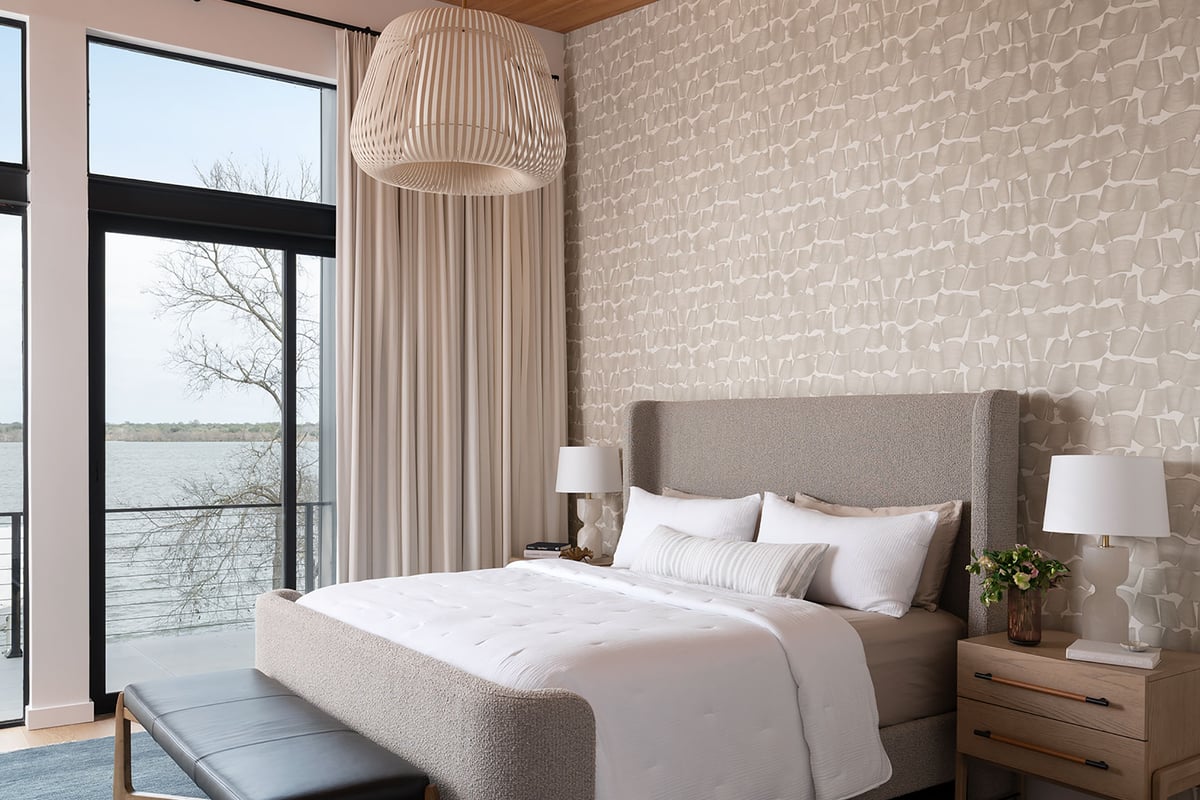
When we partner with homeowners and architects during new construction design, we optimize every square foot from the earliest planning stages, ensuring even utility spaces receive thoughtful design attention that enhances daily life.
Final Vetting: References, Site Visits, and Contracts
Before signing with any design firm, complete these final verification steps that protect your investment and set clear expectations.
Speaking With Past Clients
Request references from projects similar to yours in scope and budget. Ask previous clients:
- How did the designer handle unexpected challenges during construction?
- Did the project finish on time and on budget?
- How responsive was the team to questions and concerns?
- Would you hire them again, and what would you do differently?
- How has the design held up over time?
Past performance predicts future results more accurately than any marketing material.
Reviewing Contracts and Scope Documents
Top designers provide comprehensive agreements detailing:
- Scope of services for each project phase
- Fee structure with payment schedule
- Timeline estimates with milestone dates
- Procurement terms including ordering authority and payment handling
- Ownership rights for design documents and drawings
Have an attorney review the contract if you're unfamiliar with design service agreements. Clarity at the contract stage prevents disputes during project execution.
Our design services overview explains how we structure engagements to provide transparency and accountability throughout every project phase.
Selecting from among the top interior designers in Austin requires evaluating process, experience, and cultural fit alongside aesthetic capability. The right design partner brings strategic thinking, construction fluency, and collaborative skill that transforms your vision into a completed space supporting how you live and work. At Etch Design Group, we've spent years refining our approach to residential and commercial design across Austin's diverse neighborhoods and architectural styles, and we're here to help you create spaces that become lasting legacies for your family or business.