
SHARE
Working with an interior designer Austin TX for remodel projects is no longer a luxury reserved for magazine-worthy estates. It's a strategic decision that determines whether your $500K+ investment becomes a home you'll love for decades or a costly series of compromises. We've spent years managing residential remodels throughout Austin's most established neighborhoods, from Tarrytown ranch transformations to Westlake Mediterranean updates, and we've learned that the difference between a successful remodel and a regrettable one often comes down to design leadership from day one. If you're considering a major renovation, scheduling a complimentary discovery call is the first step toward understanding how professional design transforms both the process and the outcome.
Key Takeaways
- Hiring an interior designer Austin TX for remodel work before demolition prevents costly structural changes and material reorders
- Professional designers save clients 18-25% on average through strategic material selection and contractor coordination
- The design process for remodels differs significantly from new construction, requiring adaptation to existing conditions
- Austin-specific considerations like heritage district regulations and climate impact material and layout decisions
- Full-service design firms manage everything from architectural drawings to final styling, eliminating coordination stress
- ROI on design services typically ranges from 75-150% in resale value, with highest returns in kitchens and primary suites
Why Austin Remodels Require Specialized Design Expertise
Austin's housing stock presents unique challenges that generic design approaches simply can't address. We work regularly with homes built across eight decades, each with distinct structural systems, foundation types, and architectural languages. A 1950s ranch in Travis Heights has completely different load-bearing considerations than a 1980s two-story in Northwest Hills.
The regulatory environment adds another layer of complexity. Heritage district reviews, tree preservation ordinances, and impervious cover limitations all impact what you can actually build. We've navigated projects where a seemingly simple kitchen expansion required variance applications, arborist reports, and neighborhood association approvals before a single wall could move.
The Cost of DIY Design in High-Value Remodels
Homeowners who attempt to coordinate their own remodel typically encounter three critical failure points:
- Spatial planning errors that become apparent only after walls are opened
- Material selection mismatches where finishes don't perform as expected
- Timeline cascades where one delayed decision stalls multiple trades
The financial impact is substantial. We've taken over projects where homeowners spent $40,000 correcting layout decisions made without proper spatial analysis. In one Westlake remodel, the original plan called for moving plumbing that would have required rerouting the main sewer line at a cost exceeding $85,000. Our team identified the issue during programming and redesigned the space to avoid the structural work entirely.
An experienced interior designer Austin TX for remodel projects brings value engineering to every phase, identifying where to invest for maximum impact and where less expensive alternatives perform identically.
The Etch Approach to Residential Remodel Design
Our remodel process begins months before construction, sometimes before you've even selected a contractor. We start with a comprehensive site analysis that documents existing conditions, identifies opportunities, and uncovers constraints that will shape the design.
Discovery and Programming
The programming phase answers fundamental questions about how you actually live. We spend time observing traffic patterns, storage needs, and daily routines because beautiful spaces that don't function well are simply expensive failures.
For a recent Tarrytown project, our programming revealed that the family's three teenagers all arrived home within a 20-minute window, creating bottlenecks at the entry and kitchen. This single observation drove our decision to expand the mudroom and create a secondary prep zone that eliminated afternoon chaos.
Design Development for Existing Structures
Remodels require a different design methodology than new construction. We're constantly balancing ideal solutions against existing conditions, finding creative ways to achieve your vision within the constraints of foundation placement, ceiling heights, and utility locations.
| Design Consideration | New Construction | Remodel Approach |
|---|---|---|
| Layout flexibility | Complete freedom | Constrained by load-bearing elements |
| Timeline predictability | Moderate | Lower due to unknown conditions |
| Budget contingency | 5-10% | 15-20% recommended |
| Material lead times | Standard | Requires longer buffer for custom matching |
| Permit complexity | Straightforward | Often requires variances |
We develop designs in iterative rounds, presenting options that range from minimal intervention to comprehensive transformation. This approach lets you see exactly what each level of investment delivers, making budget decisions strategic rather than reactive.
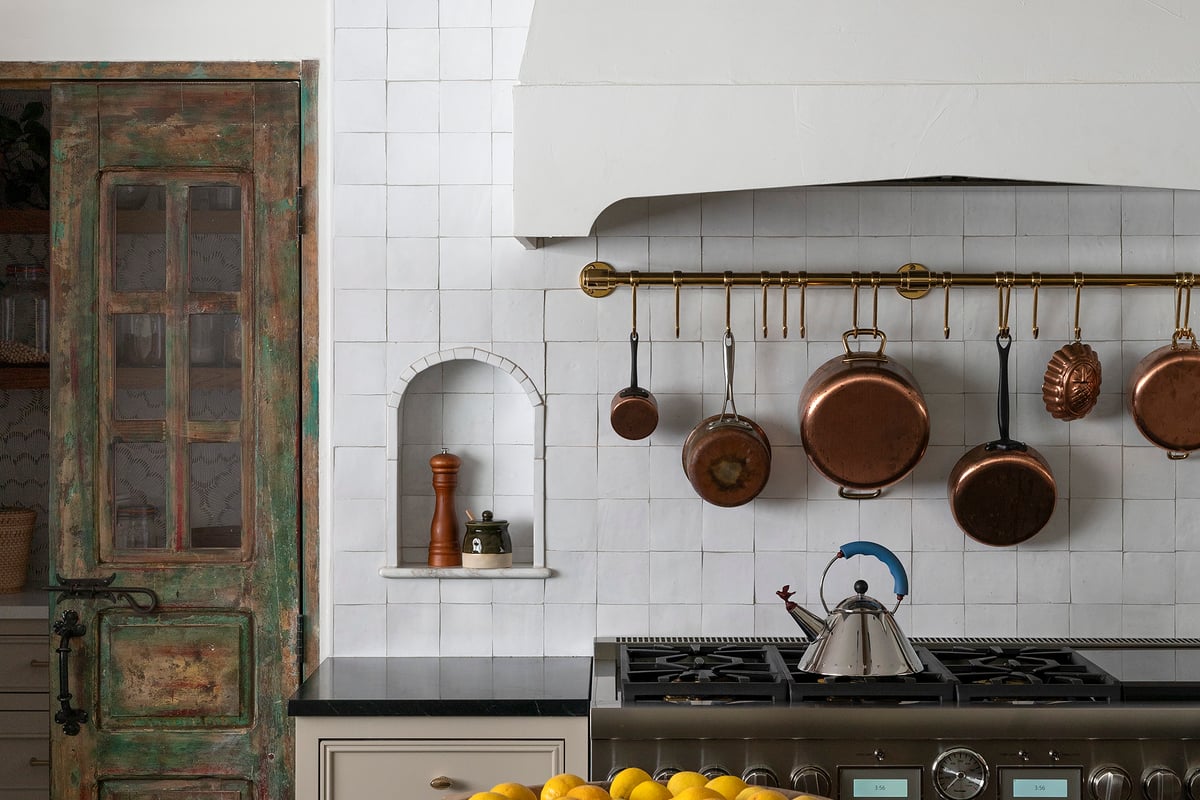
When working with an interior designer Austin TX for remodel projects, especially firms experienced in Austin's architectural context, you'll notice particular attention to preserving character while improving functionality. We've restored original terrazzo in Spanish Hacienda homes while completely modernizing the infrastructure, and we've opened up Mid-Century Modern floor plans without compromising the architectural integrity that gives these homes their value.
Material Selection Strategy for Austin's Climate
Austin's climate places specific demands on interior materials. Temperature swings, high UV exposure, and periodic humidity spikes all impact performance and longevity. We select finishes based on a decade of local experience, knowing which products actually perform versus which simply look good in a showroom.
Flooring and Hard Surfaces
Hardwood flooring requires careful species selection in Austin homes. We typically specify white oak with UV-resistant finishes for high-exposure areas, and we avoid exotic species that expand dramatically with humidity changes. For kitchen and bath remodels, porcelain has largely replaced natural stone in our specifications due to superior performance and lower maintenance.
Countertop selection involves more than aesthetics. Quartzite and engineered quartz both tolerate Austin's heat without the etching problems common with marble. We guide clients through the actual performance characteristics, including how different surfaces react to wine, citrus, and the cleaning products they actually use.
Paint and Wall Treatments
Austin's intense sun exposure fades interior paint faster than in most climates. We specify fade-resistant formulations for south and west-facing rooms and typically recommend low-VOC options that won't off-gas in our hot summers. Paint sheen selection also considers natural light levels, which vary dramatically between tree-covered East Austin properties and exposed Westlake hillsides.
Budget Allocation for Maximum Design Impact
Strategic budget allocation determines whether your remodel achieves its potential or falls short. We've managed projects ranging from $200K to $2M+, and the most successful share a common trait: intentional investment in high-impact elements.
The 60-30-10 Investment Framework
We guide clients toward a budget structure that prioritizes visible, high-use areas:
- 60% to structural and architectural improvements: Layout changes, window additions, flooring, built-ins, lighting infrastructure
- 30% to finish selections: Cabinetry, countertops, tile, plumbing fixtures, hardware
- 10% to furnishings and styling: Pieces that complete the design and add personality
This framework prevents the common trap of over-investing in finishes while under-funding the architectural elements that truly transform a space.
Where to Invest vs. Where to Save
Not all square footage deserves equal investment. Primary living areas, kitchens, and primary suites return the most value, both in daily enjoyment and resale. We often recommend luxury finishes in these spaces while specifying cost-effective alternatives in secondary areas.
| Investment Priority | High-Value Choices | Strategic Savings |
|---|---|---|
| Kitchen | Custom cabinetry, premium appliances, statement lighting | Standard tile in pantry, semi-custom island |
| Primary Suite | Luxury bath finishes, custom closet systems | Builder-grade in secondary baths |
| Living Areas | Architectural millwork, quality flooring | Paint-grade trim, standard doors |
| Secondary Spaces | Upgraded lighting | Standard finishes |
Timeline Realities for Austin Remodel Projects
Austin's construction market operates on timelines that often surprise first-time remodelers. Permit reviews currently run 6-10 weeks for residential projects, and contractor availability can push start dates months beyond initial expectations.
Phase-by-Phase Duration Expectations
A comprehensive remodel timeline breaks down into distinct phases, each with its own variables:
- Design and documentation: 8-14 weeks depending on project scope
- Permitting: 6-10 weeks (longer for heritage districts)
- Contractor selection: 3-6 weeks if bidding competitively
- Construction: 12-24 weeks for whole-home remodels
- Furnishings and styling: 8-16 weeks from order to installation
Material lead times add complexity. Custom cabinetry currently runs 12-16 weeks, luxury appliances 10-14 weeks, and custom upholstery 14-20 weeks. An experienced interior designer Austin TX for remodel work manages these timelines in parallel, ensuring materials arrive exactly when needed.
We've learned to build buffer time into every phase. Austin's weather creates construction delays, particularly during our severe storm seasons. Unknown conditions revealed during demolition frequently require design adjustments. The most successful projects assume timelines 20% longer than ideal schedules.
Contractor Collaboration and Project Management
The relationship between designer and contractor determines project success more than any other factor. We approach this collaboration as a partnership, with clear role definitions and communication protocols established before construction begins.
Design Documentation Standards
Our construction documents provide contractors with comprehensive information that eliminates guesswork. Detailed elevations show exact cabinet configurations, lighting plans specify fixture locations down to the inch, and finish schedules remove any ambiguity about material selections.
This level of documentation serves two purposes. First, it ensures accurate bidding, so you're comparing actual scope rather than different interpretations of vague plans. Second, it prevents the endless field decisions that stall projects and inflate costs.
Managing Change Orders and Field Conditions
Even with thorough documentation, remodels generate change orders. We evaluate each request against three criteria: necessity, impact on overall design, and budget implications. Some changes improve the project and deserve immediate approval. Others represent contractor convenience rather than actual need.
When unexpected conditions arise, we're on-site to assess options and make real-time decisions that keep construction moving. This responsive management prevented a three-week delay on a recent project when we discovered outdated electrical that required immediate redesign.
The ROI of Professional Remodel Design
Investing in professional design services delivers quantifiable returns, both in immediate construction savings and long-term value appreciation. We track project outcomes, and the data consistently supports design as a value multiplier, not a cost center.
Direct Cost Savings
Professional design prevents expensive mistakes. We estimate that strategic material selection and spatial planning saves clients an average of $35,000-$65,000 on projects in the $500K range. These savings come from:
- Eliminating change orders through thorough upfront planning
- Specifying materials that perform well rather than requiring replacement
- Optimizing layouts to avoid unnecessary structural modifications
- Leveraging trade relationships for better pricing on luxury goods
Property Value Enhancement
Austin's luxury real estate market rewards thoughtful design. Interior designers create homes that appeal to sophisticated buyers, and the financial impact is measurable. Recent comparables show that professionally designed remodels in Tarrytown and Westlake command 12-18% premiums over similar homes with contractor-grade finishes.
The highest ROI comes from kitchen and primary suite remodels, where design investment typically returns 75-150% at resale. But value extends beyond resale. The homes we design support our clients' lives better, reducing stress and increasing daily satisfaction in ways that don't appear on appraisals but matter enormously.
Selecting Your Interior Designer for an Austin Remodel
Not all design firms approach remodels with equal expertise. The questions you ask during initial consultations reveal whether a designer has the specific experience your project requires.
Essential Qualifications and Experience
Look for firms with documented remodel experience in Austin specifically. Local knowledge matters because our building codes, permit processes, and construction market differ from other cities. We recommend asking:
- How many Austin remodels have you completed in the past two years?
- What architectural styles do you work with most frequently?
- How do you handle unexpected conditions discovered during demolition?
- What's your typical timeline from contract to construction completion?
- How do you charge, and what exactly does your fee include?
Fee Structures and Service Scopes
Interior designers structure fees in several ways, each suited to different project types. We use a comprehensive approach that includes programming, design development, construction documentation, contractor bidding assistance, construction administration, and furnishings selection. This full-service model ensures design continuity from concept through completion.
Hourly fees work for small projects or consulting-only arrangements, but they create uncertainty on large remodels. Percentage-of-construction fees align designer and client interests, incentivizing efficiency without sacrificing quality. Fixed fees provide budget certainty but require extremely accurate scope definition upfront.
Evaluating Portfolio Fit
Review portfolios looking for projects similar to yours in scope, style, and budget. A firm that excels at modern new construction may not bring the right sensitivity to a historic home remodel. We maintain a comprehensive portfolio showing completed remodels across Austin's diverse architectural landscape, from Spanish Hacienda restorations to Mid-Century Modern updates.
Pay attention to finish quality in portfolio images. Are details crisp and intentional? Do spaces feel cohesive? Can you identify a clear design perspective, or does the work simply follow trends? The best interior designer Austin TX for remodel projects brings a distinctive point of view while remaining responsive to client preferences.
Integrating Furnishings into Your Remodel Timeline
Furniture selection shouldn't wait until construction completes. We integrate furnishings planning into the design process because upholstery, window treatments, and accessories inform architectural decisions like electrical placement, ceiling heights, and built-in dimensions.
The Strategic Advantage of Early Planning
When we design a living room remodel, we're simultaneously considering furniture scale, art placement, and lighting layers. This integrated approach ensures that the architecture supports the furnishings rather than fighting them. We've seen too many beautiful renovations undermined by furniture that doesn't fit the refined proportions or lighting that doesn't illuminate art properly.
Early furniture planning also prevents timeline gaps. Custom upholstery requires 14-20 weeks from order to delivery. If you wait until construction completes to begin this process, you're living in an empty house for months. We order furnishings timed to arrive within two weeks of construction completion, so your home is complete and livable immediately.
Our furnishings process coordinates fabric selection, custom pieces, vintage sourcing, and art curation into a cohesive timeline that parallels construction without creating budget surprises.
Common Remodel Design Challenges and Solutions
Every remodel presents unique obstacles. We've developed systematic approaches to the challenges that appear most frequently in Austin projects.
Working with Low Ceilings
Many Austin homes built before 1990 have 8-foot ceilings that feel compressed by contemporary standards. We employ several techniques to visually expand these spaces:
- Vertical elements that draw the eye upward, including floor-to-ceiling bookcases and tall mirrors
- Recessed lighting instead of pendant fixtures that drop into the visual field
- Consistent ceiling color throughout adjacent spaces to minimize awareness of the actual height
- Minimal crown molding or eliminating it entirely in favor of clean transitions
In some cases, vaulting ceilings into attic space makes sense, but this involves significant structural work. We analyze cost versus impact before recommending this investment.
Integrating Modern Systems into Period Homes
Updating mechanical, electrical, and plumbing systems while preserving architectural character requires careful planning. We conceal modern HVAC in ways that don't compromise historic millwork, and we route new electrical through attics and crawl spaces rather than cutting through original plaster.
For a Spanish Hacienda remodel in Pemberton Heights, we maintained all visible wood beams while running updated wiring through new chases carefully integrated into the structure. The result reads as completely authentic while delivering contemporary performance and safety.
Maximizing Natural Light Without Major Structural Changes
Austin's best homes celebrate natural light, but adding windows isn't always feasible. We enhance existing light through strategic interventions:
- Enlarging existing window openings within current structural bays
- Installing larger glass doors at existing openings
- Using interior glass partitions to borrow light between spaces
- Specifying reflective finishes that amplify available natural light
These techniques deliver dramatic improvements without the cost and complexity of adding new openings.
Sustainability and Long-Term Performance
Sustainable design extends beyond environmental responsibility to long-term performance and enduring appeal. We specify materials and systems that minimize lifecycle costs while reducing environmental impact.
Material Durability and Lifecycle Planning
The most sustainable choice is often the material that lasts longest. We specify porcelain over ceramic tile, solid surface over laminate, and LED systems over conventional lighting. These choices cost more initially but deliver lower replacement costs and better performance over time.
For a recent Westlake remodel, lifecycle analysis showed that investing in commercial-grade cabinet hardware would save replacement costs within seven years compared to residential-grade options. The upfront premium was $2,400. The avoided future replacement cost exceeded $8,000.
Energy Performance in Remodels
Remodels offer opportunities to dramatically improve energy performance through better insulation, high-performance windows, and efficient mechanical systems. We work with clients to identify which upgrades deliver meaningful returns versus which simply check green-building boxes without real impact.
Austin Energy's rebate programs can offset 15-30% of efficiency upgrade costs, making investments in spray foam insulation, variable-speed HVAC, and LED lighting financially attractive even before considering energy savings.
How We Support Your Austin Remodel Journey
Working with an interior designer Austin TX for remodel projects transforms what could be a stressful, uncertain process into a strategic, managed investment. We bring fifteen years of Austin-specific experience, comprehensive design and project management capabilities, and established relationships with the best contractors, craftspeople, and suppliers in the region.
Our design services address every aspect of your remodel, from initial feasibility analysis through final styling. We've successfully completed projects across Austin's most desirable neighborhoods, and we understand the specific challenges each presents. Whether you're updating a 1960s ranch in Rollingwood or transforming a 1990s traditional in Rob Roy, we bring relevant experience and proven methodologies that deliver exceptional results.
The difference between a remodel that enhances your life and one that becomes a source of regret often comes down to design leadership from day one. We invite you to explore our portfolio and see how thoughtful design transforms Austin homes.
Selecting an interior designer Austin TX for remodel work is fundamentally about finding a partner who understands both design excellence and the practical realities of Austin construction. The investment in professional design delivers returns through better functionality, superior aesthetics, and smoother project execution. At Etch Design Group, we don't just design spaces; we create legacies that serve our clients beautifully for decades. If you're planning a significant remodel, we'd welcome the opportunity to discuss how our experience and approach might serve your vision.